close
  • 378_2025032719101269029.webp
  • 378_2025032719084087564.webp
0%

Table of Contents

Diamond blade performance issues, specifically when a diamond blade isn't cutting effectively, are a common frustration across various industries. These blades, renowned for their ability to cut through incredibly hard materials, can sometimes fail to deliver the expected results. This impacts project timelines, increases costs, and potentially compromises safety. Understanding the causes behind diamond blade not cutting is crucial for optimizing performance and ensuring efficient operation.

The global impact of diminished cutting efficiency extends beyond simple project delays. In construction, it can lead to structural integrity concerns. In the mining industry, reduced cutting rates translate to lower yields and increased operational expenses. Even in smaller-scale applications like DIY projects, a diamond blade not cutting properly can be immensely frustrating and costly. The economic repercussions are significant, particularly in developing nations where infrastructure projects rely heavily on efficient material processing.

Addressing the problem of diamond blade not cutting offers numerous benefits. From improved project completion rates and reduced material waste to enhanced worker safety and minimized downtime, the advantages are far-reaching. A thorough understanding of the factors contributing to this issue empowers professionals and hobbyists alike to make informed decisions about blade selection, maintenance, and usage, leading to substantial cost savings and increased productivity.
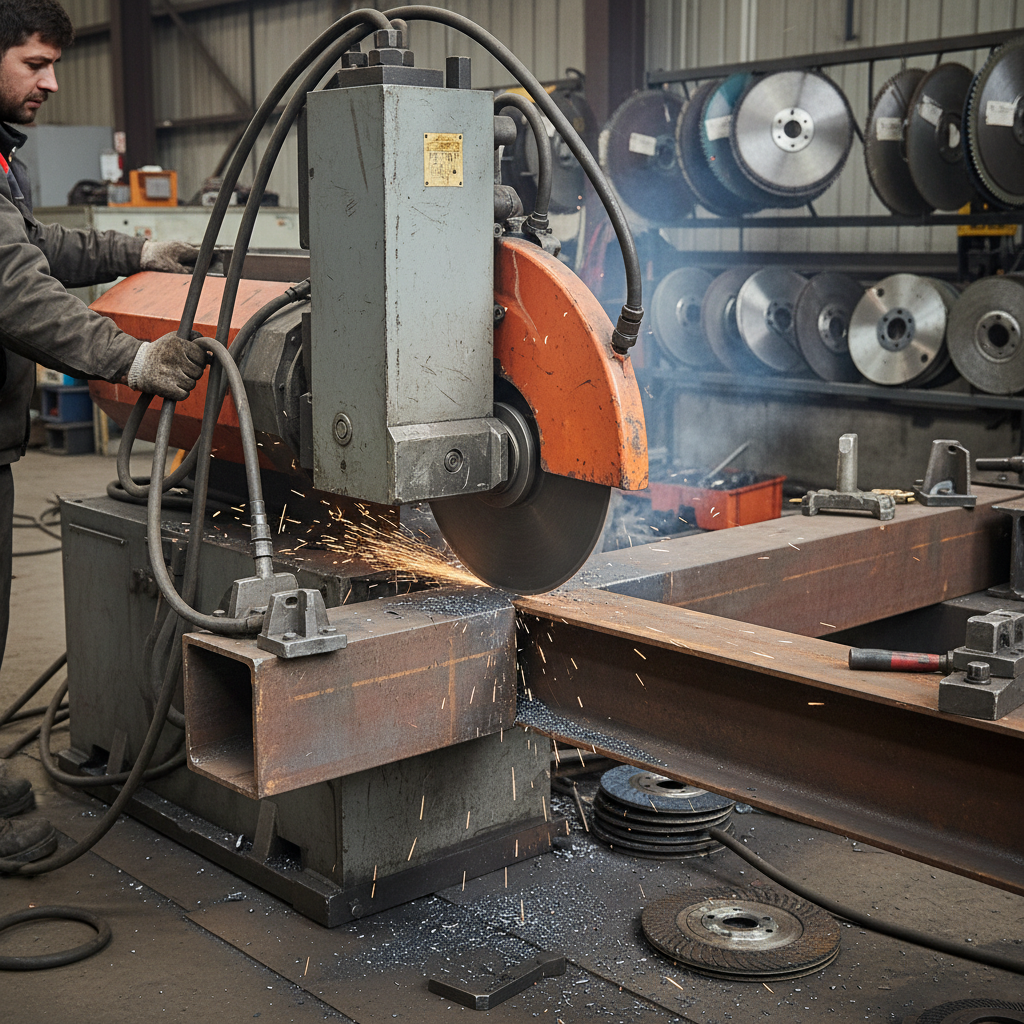
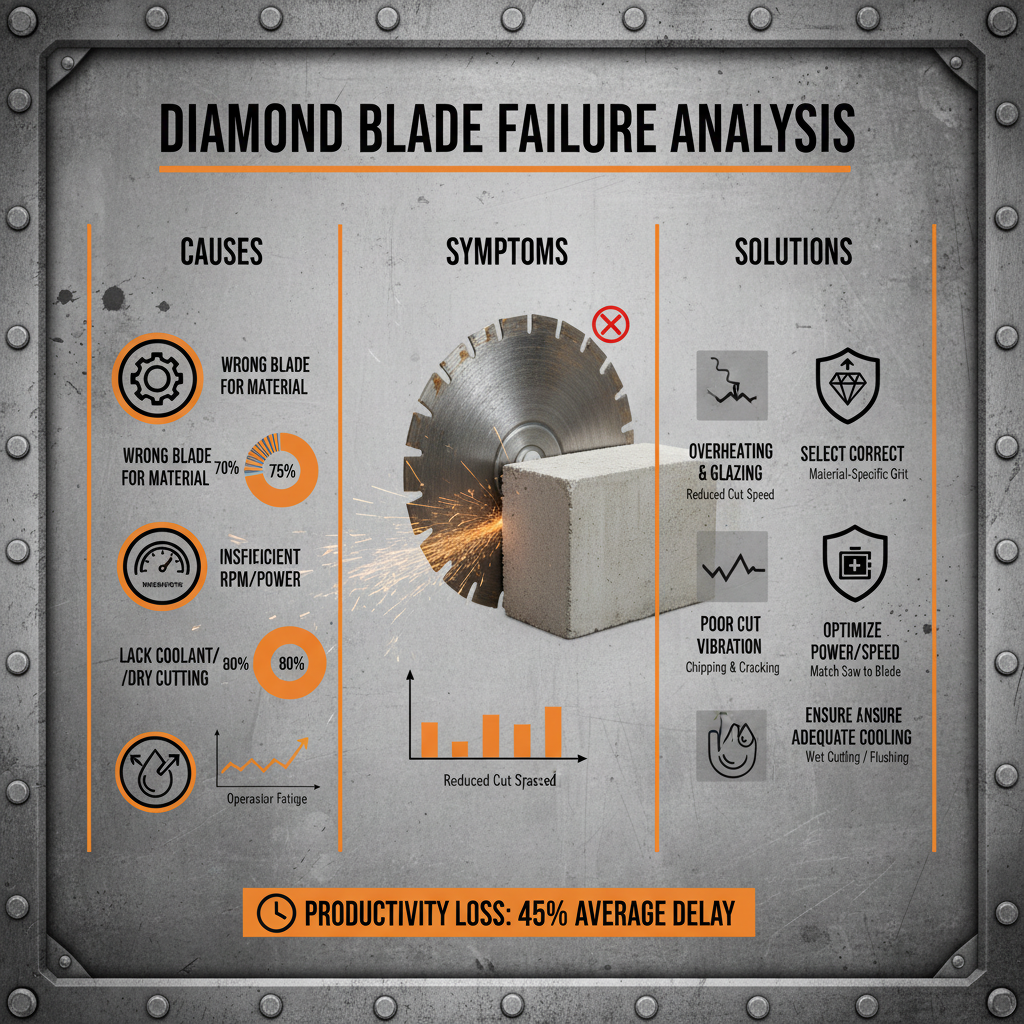
Understanding Why Your Diamond Blade Not Cutting and Effective Solutions

Understanding the Root Causes of diamond blade not cutting

Understanding Why Your Diamond Blade Not Cutting and Effective Solutions

Several factors can contribute to a diamond blade not cutting as efficiently as it should. These range from improper blade selection for the material being cut to inadequate cooling and lubrication. A worn or damaged blade, a machine operating at incorrect speeds, or excessive pressure applied during cutting all play a role. Often, the issue isn’t the blade itself, but a combination of these external factors.

Identifying the specific cause is the first step toward resolving the issue. A systematic approach – evaluating the material being cut, the machine settings, the blade’s condition, and the cutting technique – is essential. Ignoring even one of these factors can lead to continued frustration and wasted resources. A failure to understand the interplay of these components explains why a diamond blade not cutting is so prevalent.

Defining Diamond Blade Cutting Failure

Diamond blade cutting failure doesn’t always mean a complete stop in the cutting process. It can manifest in several ways, including slow cutting speeds, excessive chipping or cracking of the material, a rough or uneven cut edge, increased heat generation, or noticeable blade vibration. These indicators signal that the blade isn’t performing optimally and require immediate attention.

Understanding these subtle signs of failure is critical. Delaying action when experiencing these issues can lead to further blade damage, increased material waste, and even potential safety hazards. A blade struggling to cut efficiently is essentially wearing down faster, reducing its overall lifespan and increasing the frequency of replacements.

The definition extends to the quality of the finished product. If a diamond blade delivers a cut that requires significant post-processing to achieve the desired smoothness or accuracy, it represents a form of cutting failure, even if the blade hasn't completely stopped functioning. This impacts productivity and adds unnecessary costs to the overall project.

Key Factors Influencing Diamond Blade Performance

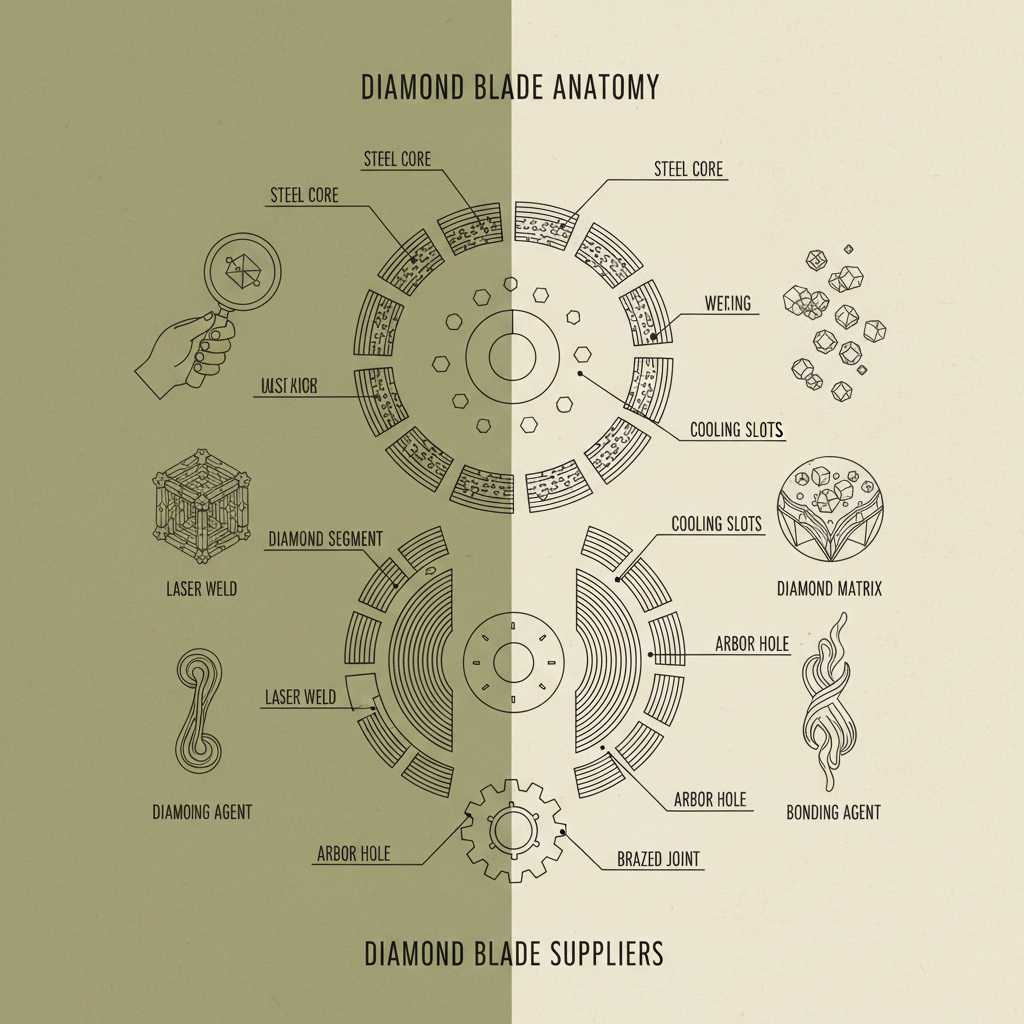
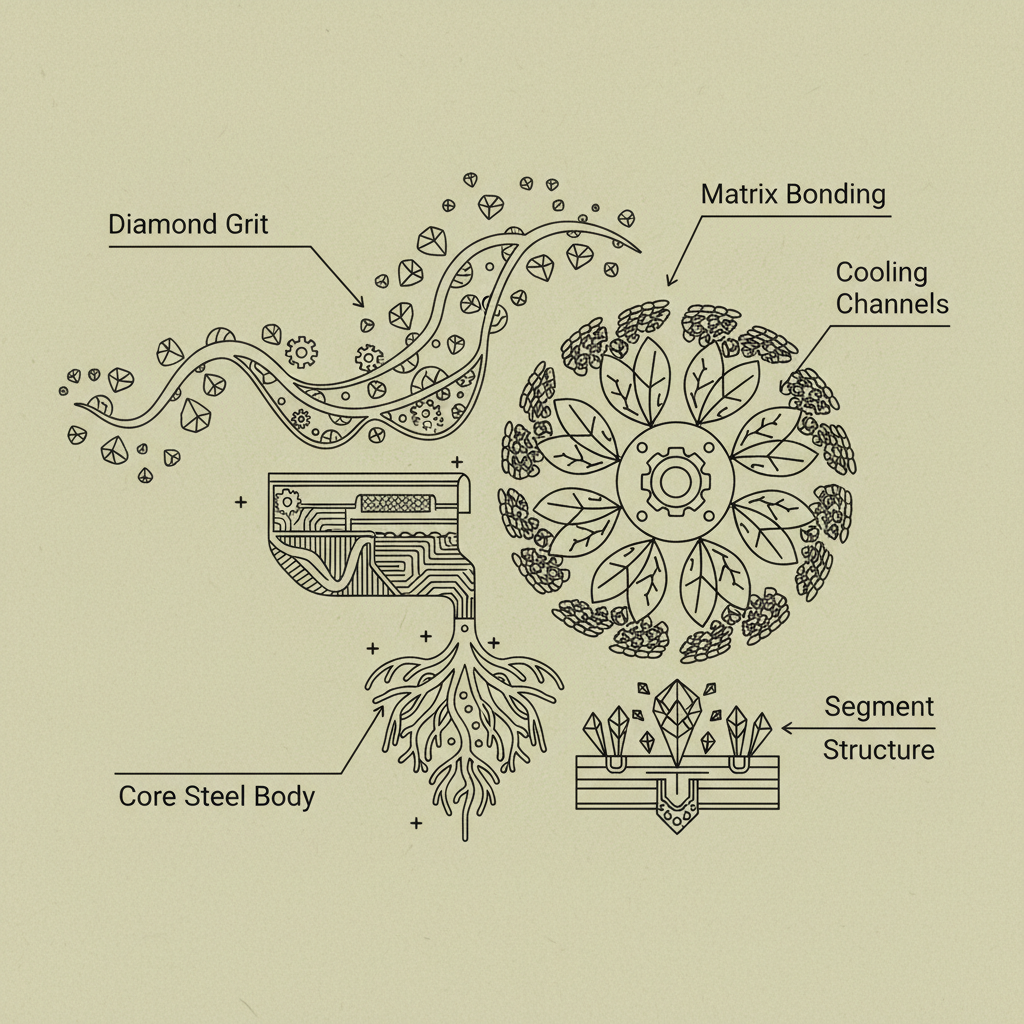
Several core elements significantly influence how well a diamond blade performs. First, the bond type – the material holding the diamond crystals in place – dictates the blade’s ability to expose fresh crystals as they wear, maintaining cutting efficiency. Second, the diamond grit size and concentration affect the speed and smoothness of the cut.

Third, the quality of the diamond crystals themselves is paramount. Higher-quality diamonds are sharper, more durable, and resist wear more effectively. Fourth, the material being cut plays a crucial role. Blades are designed for specific materials – concrete, asphalt, tile, metal – and using the wrong blade will significantly reduce performance and potentially damage the blade.

Finally, proper blade maintenance, including cleaning and truing, is vital for preserving its cutting ability. Neglecting these aspects can lead to premature wear and ultimately result in a diamond blade not cutting effectively.

Global Applications & Impact of Ineffective Cutting

Ineffective diamond blade cutting has far-reaching consequences across diverse industries globally. In construction, delayed concrete cutting impacts project timelines and budgets. In road maintenance, slow asphalt cutting hinders timely repairs, leading to increased traffic congestion and potential safety hazards. Mining operations suffer from reduced productivity and increased costs when blades struggle to efficiently cut through rock and ore.

The impact is particularly pronounced in developing nations where infrastructure projects are crucial for economic growth. Delays caused by poor cutting performance can exacerbate existing challenges and hinder progress. Similarly, in regions prone to natural disasters, efficient cutting is vital for rescue efforts and debris removal, and a diamond blade not cutting can significantly impede these efforts.

Diamond Blade Cutting Efficiency by Application


Advantages of Addressing diamond blade not cutting

Proactively addressing issues that lead to a diamond blade not cutting delivers significant benefits. These include reduced project costs through minimized blade replacements and decreased material waste. Improved cutting speeds translate to increased productivity and faster project completion times.

Enhanced worker safety is another crucial advantage. Efficient cutting reduces the need for excessive force, minimizing the risk of kickback and other accidents. Furthermore, using the correct blade and maintaining proper technique contributes to a more controlled and predictable cutting process, creating a safer working environment.

Future Trends & Innovations in Diamond Blade Technology

The future of diamond blade technology is focused on maximizing efficiency, durability, and sustainability. Innovations include the development of new bonding materials that enhance diamond retention and improve heat dissipation. Laser-cutting technology is being integrated into blade manufacturing to create more precise diamond placement and optimized cutting patterns.

Research is also underway to explore the use of alternative diamond sources and synthetic diamonds with enhanced properties. Furthermore, smart blades equipped with sensors that monitor wear and performance are emerging, providing real-time data to optimize cutting parameters and predict blade failures, reducing instances of diamond blade not cutting.

Common Challenges & Effective Solutions

A persistent challenge is the difficulty in accurately diagnosing the cause of diamond blade not cutting. Many factors can contribute, making it hard to pinpoint the specific issue. Another challenge is the variability in material quality, which can affect blade performance even when the correct blade is used.

Effective solutions involve investing in comprehensive training for operators, emphasizing proper blade selection, maintenance, and cutting techniques. Implementing regular blade inspections and using diagnostic tools can help identify potential problems early on.

Summary of Solutions to Common Diamond Blade Cutting Issues

Problem Root Cause Solution Preventative Measure
Slow Cutting Speed Incorrect blade for material Replace with appropriate blade Material compatibility chart
Excessive Chipping Worn or damaged blade Replace blade Regular blade inspection
Rough Cut Edge Insufficient cooling/lubrication Apply water or cutting fluid Ensure adequate cooling system
Blade Vibration Loose mounting or machine imbalance Tighten mounting and balance machine Regular machine maintenance
Premature Wear Excessive pressure Reduce cutting pressure Operator training
Blade Overheating Cutting speed too high Reduce cutting speed Monitor blade temperature

FAQS

What are the most common causes of a diamond blade not cutting through concrete?

Several factors contribute to this issue, including using the wrong blade type for the concrete’s hardness, a worn-out blade with dull diamonds, insufficient water cooling during cutting (leading to overheating), and applying excessive pressure which can glaze the blade’s surface. Furthermore, the concrete mix itself can impact cutting performance; harder aggregates require more aggressive blades. Ensure proper blade selection, lubrication, and technique to avoid this issue.

How can I tell if my diamond blade is worn out and needs replacing?

Signs of a worn-out diamond blade include significantly slower cutting speeds, increased cutting resistance, a rough or chipped cut edge, noticeable blade vibration, and excessive heat generation. Visually inspect the blade for missing segments or severely worn diamond crystals. If you observe these symptoms, it's time to replace the blade to maintain efficiency and safety. Continuing to use a worn blade will only lead to further damage and frustration.

What is the importance of water cooling when using a diamond blade?

Water cooling is crucial for several reasons. It lubricates the cutting process, reducing friction and heat buildup. Heat is a major enemy of diamond blades, as it can damage the diamond crystals and reduce their cutting efficiency. Water also helps to flush away swarf (cutting debris), preventing it from clogging the blade and hindering its performance. Without adequate cooling, blades wear out much faster and are more prone to issues like diamond blade not cutting effectively.

Can I use a diamond blade designed for concrete to cut asphalt?

Generally, no. Diamond blades are specifically engineered for the properties of the material they’re intended to cut. Concrete blades typically have a harder bond and coarser diamond grit suited for abrasive materials. Asphalt blades have a softer bond and finer grit to prevent chipping and produce a smoother cut. Using a concrete blade on asphalt can lead to premature wear and poor cutting performance. Conversely, using an asphalt blade on concrete won’t provide adequate cutting power.

How does the bond type of a diamond blade affect its performance?

The bond type—the material holding the diamonds—dictates how quickly diamonds are exposed as they wear. Harder bonds are used for abrasive materials like concrete, slowly releasing diamonds for long life. Softer bonds are used for softer materials like asphalt, releasing diamonds more quickly for faster cutting. Choosing the wrong bond type for the material leads to either rapid wear (soft bond on hard material) or glazing (hard bond on soft material).

What is 'glazing' on a diamond blade, and how can I prevent it?

Glazing occurs when the bond material around the diamonds wears away slower than the diamonds themselves, creating a smooth, polished surface that reduces the blade's ability to grip and cut. It often happens when cutting softer materials with a blade designed for harder materials. Prevention involves using the correct blade for the material, avoiding excessive pressure, and ensuring adequate cooling. Blade truing (dressing) can sometimes remove glazing, but a severely glazed blade usually requires replacement.

Conclusion

Understanding why a diamond blade not cutting effectively is a multifaceted issue involving blade selection, material properties, machine settings, and proper maintenance. By recognizing the key factors influencing performance and implementing preventative measures, professionals and DIY enthusiasts can significantly enhance cutting efficiency, reduce costs, and improve safety. Addressing these challenges proactively is essential for maximizing productivity and achieving optimal results.

Looking ahead, continued innovation in diamond blade technology – including the development of smarter blades and more durable bonding materials – promises further improvements in cutting performance and longevity. By staying informed about these advancements and adopting best practices, you can ensure your diamond blades continue to deliver exceptional results for years to come. Visit our website at www.mydiamondblade.com to learn more and find the perfect blade for your needs.

David Miller

David Miller

David Miller serves as Mingye Tools Technologies’ Regional Sales Manager for the Americas. With a decade of experience in the tool industry, David is responsible for expanding our market share and building strong relationships with distributors and end-users across the US and Canada. He has a deep understanding of the
Previous Revolutionizing Material Processing with Advanced Diamond Blade Wheel Technology
Next Advanced Diamond Blade Grinder Disc Technology and Industrial Applications
Can't Find The Products And Services You Need?
If you need our help,
Our staff will be happy to help and answer your questions!

Contact Us

Email: sales@mingyetools.com

Phone:0086-15369377868

Address

No.30 Gaoying Road ,Chang'an District,Shijiazhuang,Hebei Province

Business Hours

Mon to Saturday : 8.00 am - 7.00 pm

Sunday & Holidays : Closed

If you are interested in our products, you can choose to leave your information here, and we will be in touch with you shortly.