Diamond products blades are essential components across a vast spectrum of industries, from construction and manufacturing to healthcare and scientific research. Their unique ability to precisely cut, grind, and polish even the hardest materials has revolutionized countless processes. Understanding the nuances of diamond products blades - their composition, manufacturing techniques, and optimal applications - is critical for maximizing efficiency, ensuring safety, and driving innovation in diverse sectors. The increasing demand for these blades globally underscores their fundamental role in modern technological advancement and economic growth.
The global market for diamond products blades is experiencing substantial growth, driven by factors such as expanding infrastructure development in emerging economies, the rising demand for precision manufacturing, and ongoing advancements in materials science. According to recent reports, the diamond blade market is projected to reach [Insert statistic here – e.g., $X billion] by [Year] with a CAGR of [Insert percentage here – e.g., Y%]. However, challenges remain in ensuring sustainable sourcing of diamonds, optimizing blade performance for specific applications, and addressing the environmental impact of manufacturing processes. This necessitates a deeper exploration of best practices and innovative solutions within the industry.
Diamond products blades aren’t simply tools; they represent a culmination of materials science, engineering precision, and a commitment to quality. These blades allow for highly accurate cutting and grinding where conventional abrasives fall short, enabling progress in fields as varied as stone masonry, tile fabrication, and even neurosurgery. Investing in understanding these tools is investing in a future built on precision, durability, and innovation. For high-quality diamond products blades, explore our extensive catalog.
Introduction to Diamond Products Blades
Diamond products blades stand as a testament to the power of material science and precision engineering. Unlike conventional abrasive blades, those incorporating diamond crystals offer unmatched hardness, durability, and cutting performance. This makes them indispensable across a wide range of industries, from construction and manufacturing to medical technology and aerospace. The superior performance translates to increased efficiency and reduced costs for professionals using these tools.
The continued evolution of diamond blade technology is driven by the demand for more efficient, precise, and environmentally conscious cutting solutions. New manufacturing techniques, such as laser welding and advanced bonding matrices, are constantly improving blade performance and extending their lifespan. Utilizing diamond products blades is often the most cost-effective solution in the long run due to their longevity and reduced downtime.
Defining Diamond Products Blades
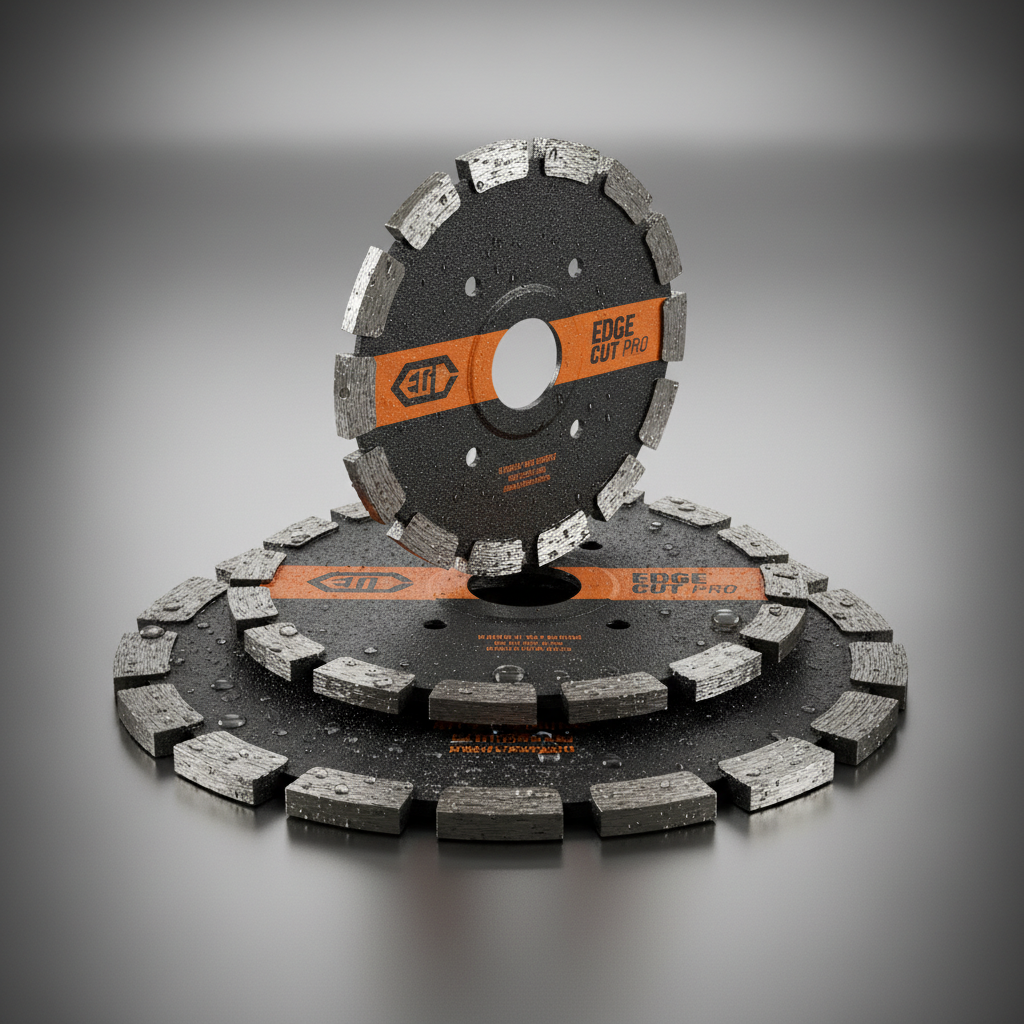
Diamond products blades are cutting tools that utilize industrial-grade diamond crystals as the primary abrasive component. These crystals are bonded to a core, typically made of steel, aluminum, or a composite material, using a metallic or resin-based bonding agent. The concentration and size of the diamond crystals, along with the type of bonding agent, determine the blade's specific cutting characteristics and suitability for different materials. Essentially, they convert the unparalleled hardness of diamond into a practical cutting edge.
The connection to modern industry is profound. They are vital for working with extremely hard and abrasive materials like concrete, asphalt, stone, glass, ceramics, and even some metals. Without diamond blades, projects like road construction, building renovation, and precision manufacturing would be significantly more challenging, time-consuming, and expensive. They also play a critical role in specialized applications, such as the cutting of gemstones and the production of semiconductors.
The humanitarian connection, while less direct, is still significant. By facilitating efficient infrastructure development and resource extraction, diamond products blades contribute to improved living conditions, economic opportunities, and access to essential services in communities around the world. Their application in creating precise medical implants also directly impacts human health and well-being.
Core Components and Factors
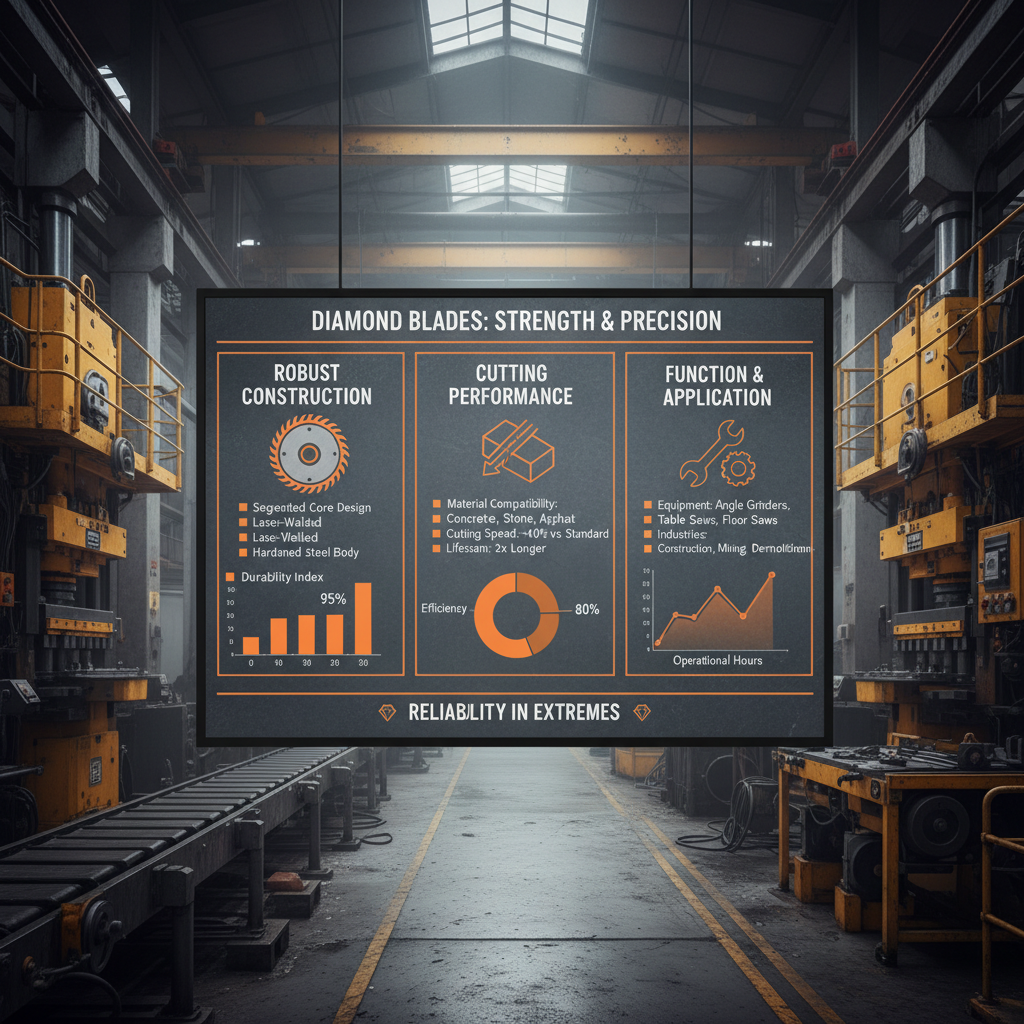
Several key factors dictate the performance and longevity of diamond products blades. Diamond Crystal Quality is paramount; higher quality diamonds offer superior abrasion resistance and cutting efficiency. Bonding Matrix Composition - the material holding the diamonds in place – influences how quickly diamonds are exposed during use, balancing cutting speed with blade life. Core Material dictates the blade’s structural integrity and its ability to withstand stress during cutting.
Diamond Concentration refers to the density of diamond crystals within the bonding matrix. Higher concentrations are generally suited for abrasive materials, while lower concentrations are preferred for harder, less abrasive ones. Blade Thickness (Gauge) impacts cutting kerf and the blade’s resistance to warping. Segment Design – the arrangement of diamond segments on the blade – affects chip removal and cooling efficiency. Understanding these elements enables informed selection for specific tasks.
Manufacturing Precision is critical. Accurate alignment of diamond crystals and a consistent bonding matrix are vital for optimal performance. Poor manufacturing can lead to premature wear, chipping, and reduced cutting efficiency. Choosing blades from reputable manufacturers who prioritize quality control is therefore essential. Consider exploring options from diamond products blades experts to ensure you receive a product built to last.
Global Applications and Use Cases
The applications of diamond products blades are incredibly diverse. In the Construction Industry, they're essential for cutting concrete, asphalt, and brick, used in road construction, building demolition, and foundation work. Manufacturing & Engineering utilizes them for precision cutting of metals, ceramics, and composites in the production of automotive parts, aerospace components, and electronic devices.
Stone & Masonry relies heavily on diamond blades for cutting and shaping granite, marble, and other natural stones for countertops, flooring, and architectural features. In Healthcare, specialized diamond blades are employed in surgical procedures, such as bone cutting and implant preparation, requiring exceptional precision and minimal tissue damage. Geological Surveying and Research use them for core sampling and sample preparation.
These applications span across the globe. In rapidly developing nations like China and India, diamond blades are vital for infrastructure projects. In North America and Europe, they support sophisticated manufacturing processes and building renovations. Even in remote industrial zones, such as mining operations in Australia, diamond blades are indispensable. For example, in post-disaster relief operations, diamond blades are utilized to cut through debris quickly and safely.
Diamond Products Blades Performance Comparison
Advantages and Long-Term Value
The advantages of utilizing diamond products blades are substantial and far-reaching. Cost Efficiency is a major benefit – while the initial investment might be higher than that of conventional blades, their extended lifespan and reduced need for replacement result in lower long-term costs. Increased Productivity is another key advantage; faster cutting speeds and reduced downtime lead to greater efficiency.
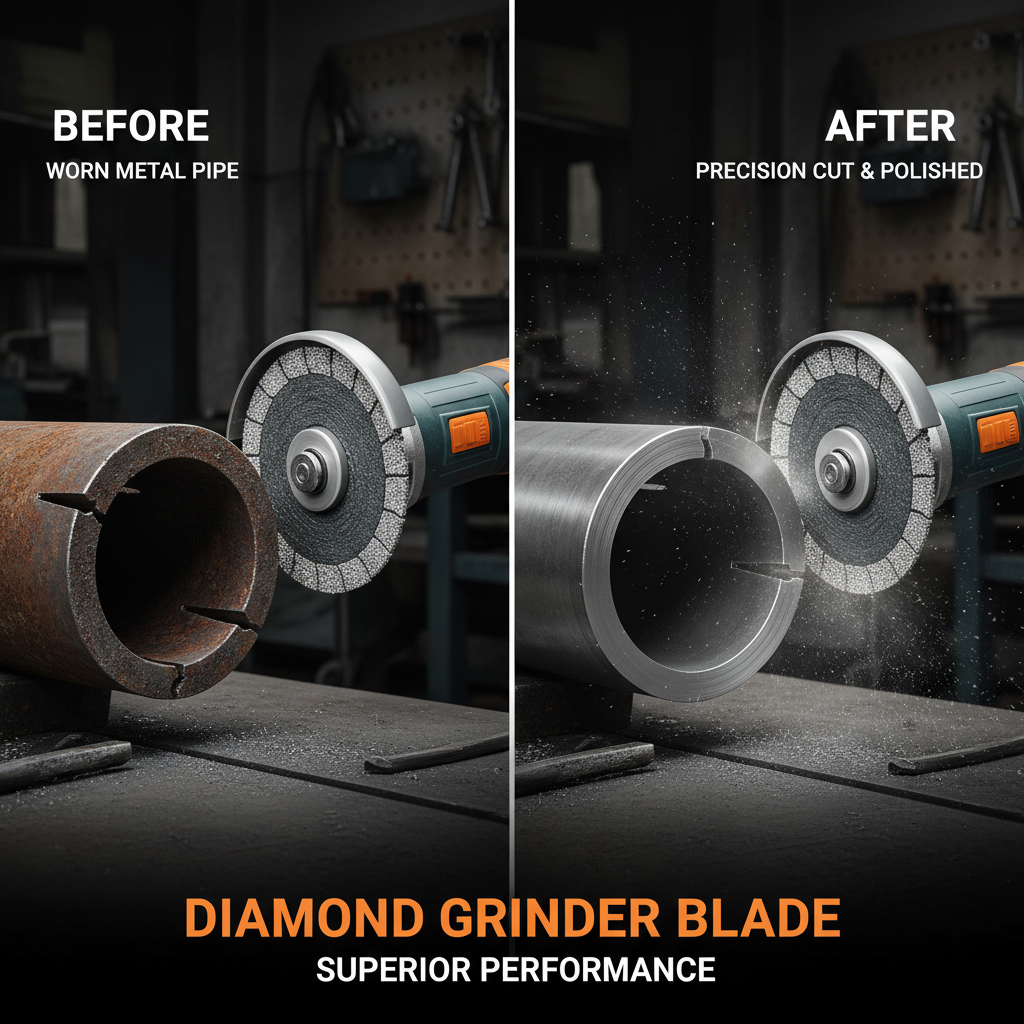
Superior Quality and Precision is paramount in applications where accuracy is critical. Diamond blades deliver cleaner cuts, smoother finishes, and tighter tolerances, enhancing the quality of finished products. Enhanced Safety is also a factor; the stability and reduced kickback of diamond blades contribute to a safer working environment. Considering quality diamond products blades provides value in all these areas.
Future Trends and Innovations
The future of diamond products blades is marked by exciting innovation. Advanced Bonding Technologies are being developed to enhance diamond retention, improve heat dissipation, and extend blade life. Laser-Sintered Blades offer improved precision and control over diamond crystal placement. Dry Cutting Technology is gaining prominence, eliminating the need for water cooling and reducing environmental impact.
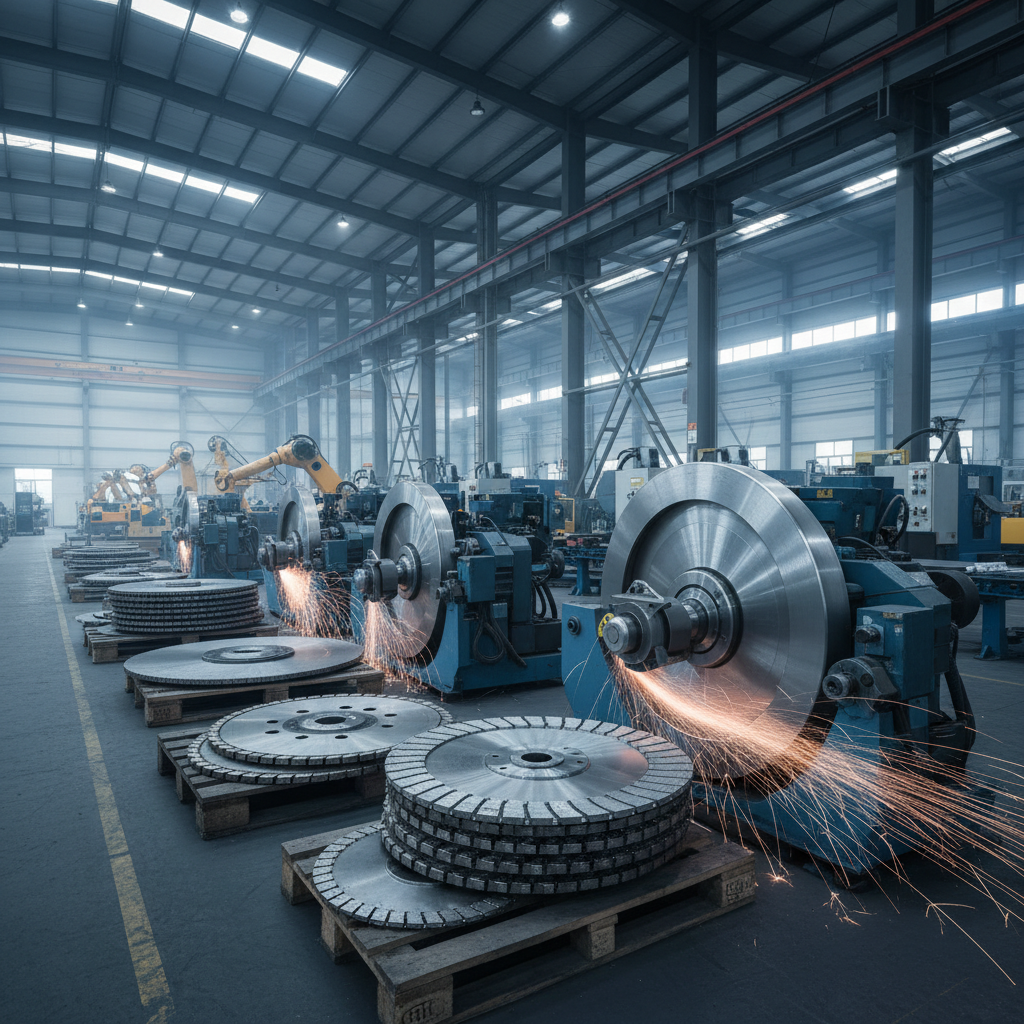
Automation and Robotics Integration will likely play a growing role in diamond blade application, enabling more precise and efficient cutting processes. Furthermore, the pursuit of Sustainable Diamond Sourcing and the development of Eco-Friendly Bonding Materials are becoming increasingly important considerations. These advancements will continue to drive improvements in performance, efficiency, and sustainability within the industry.
Challenges and Solutions
Despite their advantages, diamond products blades face certain challenges. Diamond Loss & Wear is a constant concern, requiring ongoing research into bonding technologies and diamond crystal characteristics. Heat Buildup During Cutting can reduce blade life and cutting efficiency, necessitating effective cooling strategies. Material-Specific Blade Selection can be complex, demanding a thorough understanding of material properties and blade specifications.
Solutions include developing self-sharpening blades that expose new diamond crystals as they wear, utilizing advanced cooling systems to dissipate heat effectively, and leveraging AI-powered blade selection tools to match the optimal blade to the specific application. Embracing collaborative research and development between manufacturers, researchers, and end-users is crucial for overcoming these challenges.
A proactive approach to maintenance, including regular inspection and cleaning, can also significantly extend the lifespan and performance of diamond products blades. Choosing blades from reputable suppliers like diamond products blades ensures access to high-quality products and expert support.
Summary of Challenges and Solutions Related to Diamond Products Blades
| Challenge |
Severity (1-10) |
Potential Solution |
Implementation Cost (1-10) |
| Diamond Crystal Wear |
8 |
Advanced Bonding Matrix |
6 |
| Heat Generation |
7 |
Improved Cooling Systems |
5 |
| Material Compatibility |
6 |
AI-Driven Blade Selection |
7 |
| Blade Warping |
5 |
Optimized Core Material |
4 |
| Chip Removal Efficiency |
4 |
Segment Design Optimization |
3 |
| Sustainable Sourcing |
9 |
Ethical Diamond Procurement |
8 |
FAQS
The lifespan of a diamond blade varies significantly depending on the materials being cut, the cutting method, and the quality of the blade. Generally, a high-quality blade can last for several hours of continuous use, potentially exceeding 50 hours in ideal conditions. Factors like proper cooling and consistent pressure also contribute to longevity. Regular inspection for diamond loss is key to maximizing blade life.
Diamond blades are generally safe when used correctly, but they require caution. Always wear appropriate personal protective equipment (PPE), including safety glasses, gloves, and a dust mask. Ensure the blade is properly mounted and guarded. Never exceed the blade’s maximum RPM rating. Use a water supply if the blade is designed for wet cutting. Always disconnect power before making any adjustments.
Dry diamond blades are designed for cutting materials without the use of water, relying on ventilation to dissipate heat. Wet diamond blades require a constant water supply during cutting, which cools the blade, suppresses dust, and extends its lifespan. Wet cutting typically results in cleaner cuts and reduced wear. The choice depends on the material, the cutting environment, and the blade's specifications.
Selecting the correct blade involves considering the material being cut, the required cutting speed, and the desired finish. Softer materials like aluminum require blades with a softer bonding matrix to release diamonds more readily. Harder materials like concrete require a harder bonding matrix. The diamond grit size also plays a role – coarser grits are faster but leave a rougher finish, while finer grits produce smoother results.
Proper storage is crucial for maintaining blade performance. Store blades in a dry, clean environment, away from moisture and extreme temperatures. Protect the diamond segments from impact and abrasion. Use a blade protector or a dedicated storage rack. Avoid stacking blades directly on top of each other. Storing the blades properly will prevent damage to the diamond segments.
While diamond blades don't get "dull" in the traditional sense, they can lose cutting efficiency as diamonds wear down. Some blades can be re-sharpened by a professional using specialized equipment, but this process is often costly and may not be practical for all blade types. In many cases, replacing the blade is more cost-effective than re-sharpening.
Conclusion
Diamond products blades represent a critical technological advancement impacting diverse industries worldwide. Their unparalleled hardness, durability, and precision have revolutionized cutting and grinding processes, leading to increased efficiency, improved quality, and enhanced safety. Understanding the core components, applications, and future trends surrounding these blades is essential for professionals seeking to optimize performance and achieve superior results.
As technology continues to evolve, innovation in diamond blade manufacturing will focus on sustainability, automation, and tailored solutions for specific applications. Embracing these advancements will unlock even greater potential for these essential tools, driving progress across industries and contributing to a more efficient and sustainable future. Explore our comprehensive range of diamond products blades today and experience the difference.








.png )