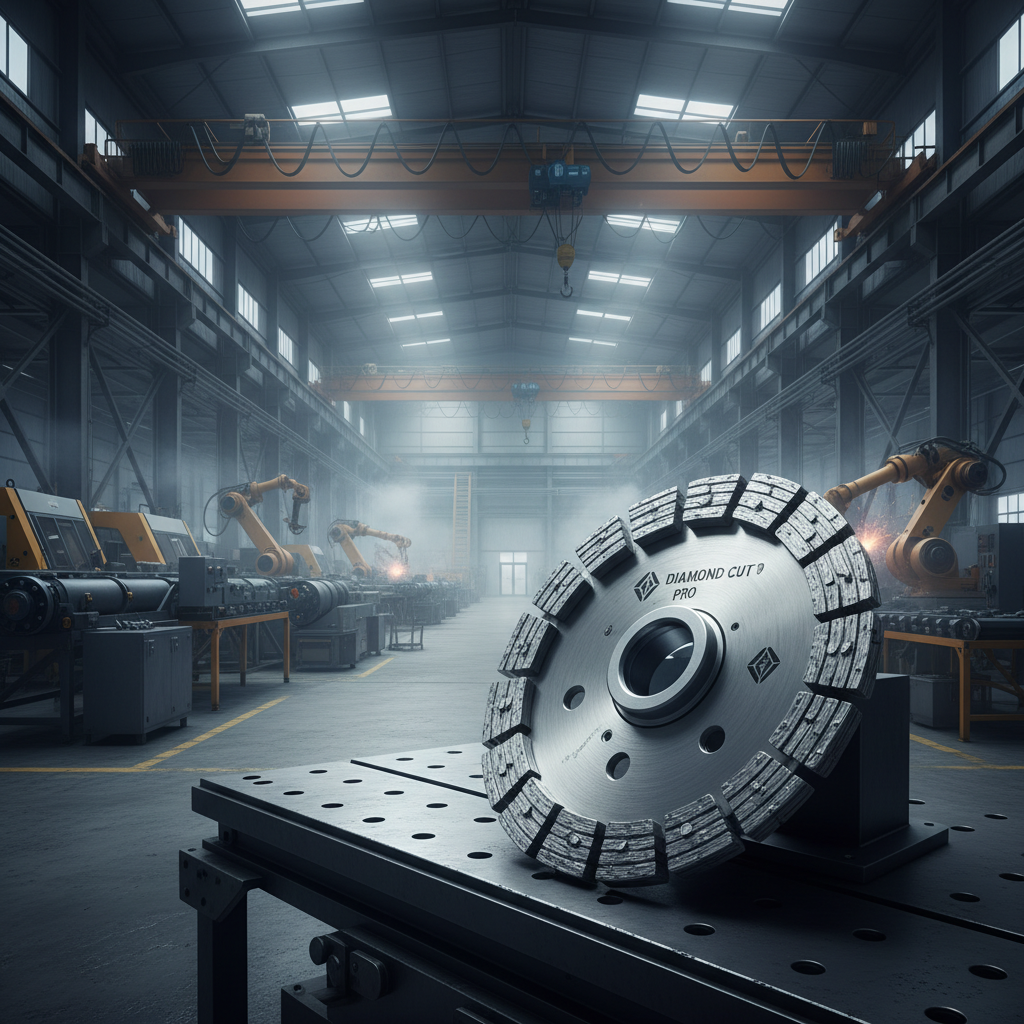
Diamond blade grinder wheels are essential components in a vast range of industrial and construction applications. These specialized tools, engineered for precision and durability, enable efficient material removal, shaping, and finishing of hard materials like concrete, stone, asphalt, and ceramics. The demand for high-quality diamond blade grinder wheels continues to rise globally, driven by infrastructure development, renovation projects, and advancements in manufacturing processes. Understanding their properties, applications, and future trends is crucial for professionals seeking optimal performance and cost-effectiveness in their operations. diamond blade grinder wheel technologies are at the forefront of material processing.
The global construction industry, valued at trillions of dollars, heavily relies on diamond blade grinder wheels for tasks ranging from concrete cutting and polishing to road repair and tile installation. Similarly, the stone and masonry industries depend on these tools for precise fabrication and aesthetic finishing. The increasing emphasis on sustainable building practices and the use of durable materials further fuels the demand for high-performance diamond blade grinder wheels. As urbanization continues and infrastructure needs grow, the importance of these tools will only become more pronounced.
Furthermore, advancements in materials science and manufacturing techniques are continually improving the efficiency and longevity of diamond blade grinder wheels. This innovation translates into reduced operational costs, increased productivity, and enhanced safety for workers. Understanding the nuances of these tools – from diamond grit size and bond types to wheel diameter and thickness – is paramount for selecting the right product for a specific application.
The Fundamentals of diamond blade grinder wheel
At its core, a diamond blade grinder wheel consists of a metal or resin bond matrix containing industrial-grade diamond crystals. These crystals are responsible for the abrasive action, while the bond material holds them securely in place and influences the wheel’s cutting characteristics. The selection of appropriate diamond grit size and bond hardness is critical for achieving optimal performance in various applications. diamond blade grinder wheel functionality is dependent on these core elements.
The manufacturing process involves carefully blending diamond powder with bond materials, pressing the mixture into a wheel shape, and then curing or sintering it to create a durable and effective grinding tool. Different bonding agents, such as resin, metal, or vitreous bonds, cater to specific materials and grinding requirements, influencing the wheel's lifespan, cutting speed, and surface finish.
Global Relevance and Market Trends
The demand for diamond blade grinder wheels is inextricably linked to global economic growth, particularly in construction and infrastructure development. Emerging economies in Asia, Africa, and Latin America are experiencing rapid urbanization and infrastructure expansion, driving substantial demand for these tools. According to market research reports, the global diamond blade market is projected to reach billions of dollars in the coming years, with a consistent growth rate.
Key market trends include a growing preference for high-performance diamond blade grinder wheels that offer extended lifecycles and reduced operating costs. Sustainability concerns are also driving demand for environmentally friendly manufacturing processes and the development of diamond blade grinder wheels that minimize dust generation and material waste. The increasing adoption of robotic grinding systems is further fueling innovation in this sector.
Furthermore, the need for specialized diamond blade grinder wheels tailored to specific materials and applications is growing, leading to greater product diversification and customization. Manufacturers are responding by offering a wider range of wheel types, diamond grit sizes, and bond hardnesses to meet the evolving needs of their customers.
Defining Diamond Blade Grinder Wheels
A diamond blade grinder wheel is a rotating tool used for grinding, cutting, and shaping hard and abrasive materials. Unlike conventional abrasive wheels, which rely on friction to remove material, diamond blade grinder wheels utilize the hardness of diamond crystals to abrade the surface. This makes them significantly more effective and durable, especially when working with materials like concrete, granite, and ceramics.
The connection to modern industry is profound. Diamond blade grinder wheels facilitate the construction of our buildings, roads, and infrastructure. They are indispensable in the fabrication of countertops, tiles, and other architectural elements. They play a vital role in manufacturing processes requiring precision material removal and surface finishing. Their impact extends far beyond construction, impacting countless industries.
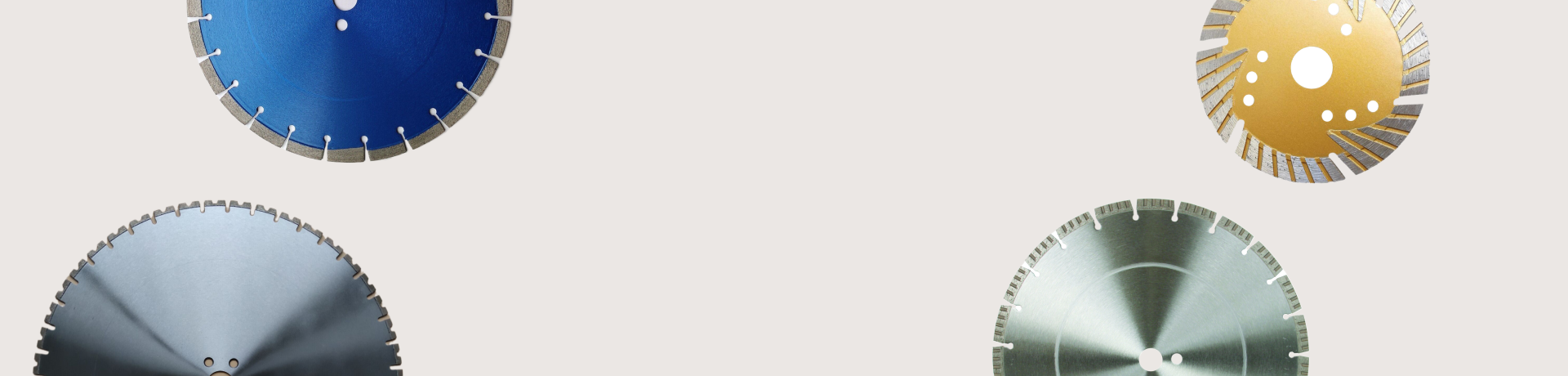
Understanding the different types of diamond blade grinder wheels – segmented, continuous rim, turbo – is vital for selecting the appropriate tool for a specific job. Each type offers unique cutting characteristics and is optimized for different materials and applications. diamond blade grinder wheel selection requires understanding these distinctions.
Key Performance Factors
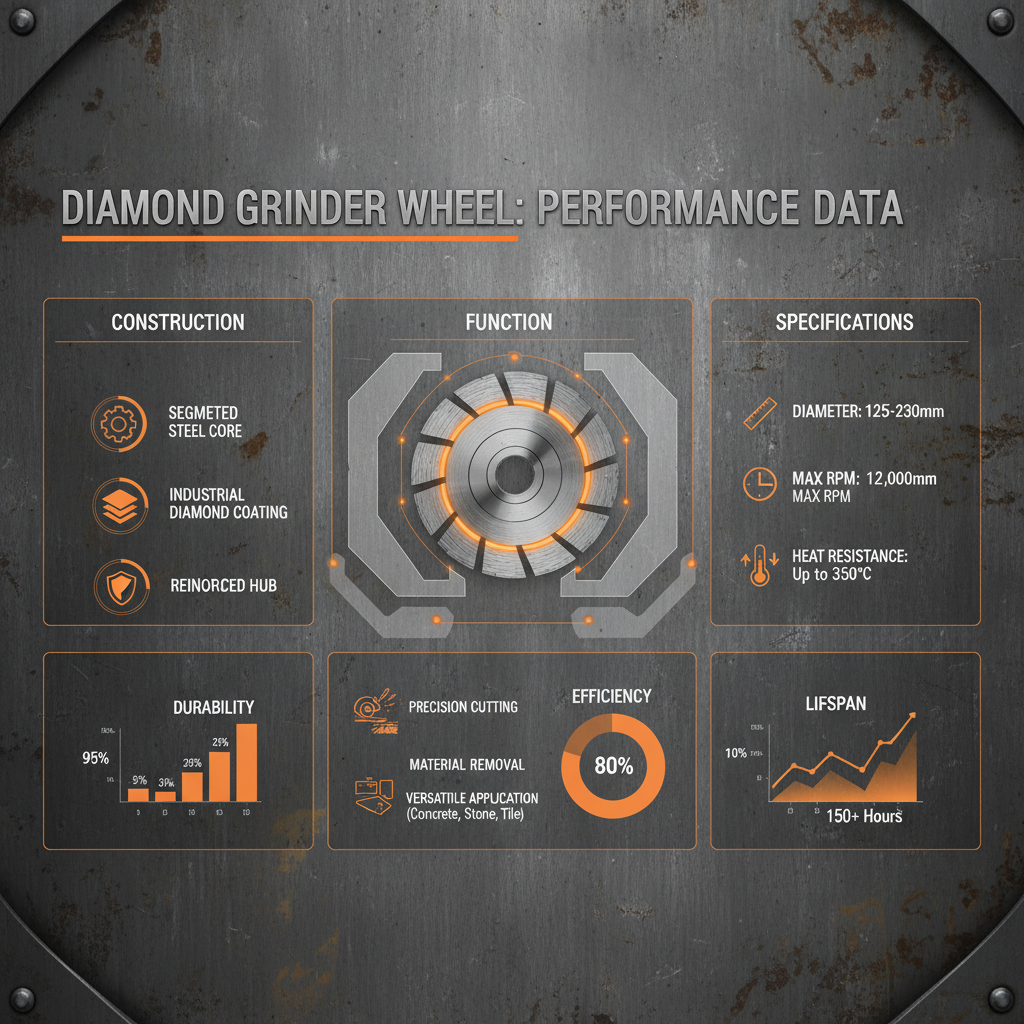
Several factors contribute to the performance of a diamond blade grinder wheel. Durability is paramount, as users expect these tools to withstand prolonged use and resist premature wear. This durability depends on the quality of the diamond grit, the bond matrix, and the manufacturing process.
Cutting speed is another crucial factor, influencing productivity and efficiency. A faster cutting speed translates to reduced labor costs and quicker project completion times. The diamond grit size, bond hardness, and wheel design all impact cutting speed.
Diamond Blade Grinder Wheel Performance Comparison
Diverse Applications Worldwide
Diamond blade grinder wheels find extensive use in the construction industry, where they are employed for cutting concrete, asphalt, and other hard materials. They are crucial in road repair, bridge construction, and building demolition. In post-disaster relief operations, they are used to cut through debris and create access pathways.
The stone and masonry industries rely heavily on diamond blade grinder wheels for shaping, polishing, and cutting natural stone, granite, marble, and tiles. They are utilized in countertop fabrication, flooring installation, and artistic stone carving. In remote industrial zones, they are critical for maintaining infrastructure and processing materials.
Advantages and Long-Term Value
The primary advantage of using diamond blade grinder wheels is their superior cutting performance and extended lifespan compared to traditional abrasive wheels. This translates to reduced tool replacement costs and increased productivity. Furthermore, they generate cleaner cuts with minimal chipping or damage to the surrounding material.
From a sustainability perspective, diamond blade grinder wheels contribute to reduced material waste and energy consumption. Their durability minimizes the need for frequent replacements, reducing landfill waste. The precision they offer enhances the quality of finished products, leading to greater customer satisfaction and long-term value.
Future Innovations and Challenges
Future innovations in diamond blade grinder wheel technology are focused on developing more efficient and environmentally friendly products. This includes the use of advanced bonding materials, optimized diamond grit sizes, and innovative wheel designs. The integration of sensor technology and data analytics will enable real-time monitoring of wheel performance and predictive maintenance.
One key challenge is minimizing dust generation during grinding operations. Manufacturers are exploring dust suppression technologies and developing diamond blade grinder wheels with improved ventilation systems. Another challenge is reducing the cost of diamond materials, which can significantly impact the price of the finished product. The adoption of automation and robotic grinding systems also presents opportunities and challenges for the diamond blade grinder wheel industry.
The development of dry-cutting diamond blade grinder wheels, eliminating the need for water cooling, is another area of focus, offering greater convenience and reduced environmental impact. diamond blade grinder wheel advancements are constantly evolving.
Summary of Challenges and Potential Solutions for Diamond Blade Grinder Wheel Technologies
| Challenge |
Impact on Performance |
Potential Solution |
Implementation Difficulty (1-10) |
| Dust Generation |
Reduced Visibility, Health Hazard |
Integrated Dust Extraction Systems |
6 |
| High Diamond Material Cost |
Increased Product Price |
Optimized Diamond Grit Distribution |
8 |
| Premature Segment Wear |
Reduced Lifespan, Increased Replacement Frequency |
Advanced Bonding Materials |
7 |
| Heat Buildup During Cutting |
Reduced Cutting Efficiency, Wheel Damage |
Improved Cooling Systems |
5 |
| Material Specificity |
Limited Application Range |
Development of Multi-Material Blades |
9 |
| Lack of Real-Time Performance Monitoring |
Inefficient Maintenance Scheduling |
Integration of Sensor Technology |
7 |
FAQS
Resin-bonded wheels are generally softer and faster cutting, ideal for materials like marble and granite, providing a smoother finish. Metal-bonded wheels are harder and more durable, better suited for harder materials like concrete and asphalt. They’re designed for longer life and higher impact resistance. Understanding the material you're cutting is crucial for choosing the appropriate bond type. The choice greatly impacts the tool's longevity and effectiveness.
Diamond grit size is measured in microns, with lower numbers indicating coarser grits and higher numbers indicating finer grits. Coarse grits (e.g., 30-60) are used for aggressive material removal, while fine grits (e.g., 150-400) are used for polishing and finishing. Selecting the correct grit depends on the hardness of the material and the desired surface finish. For example, a coarse grit is ideal for quickly removing concrete, whereas a fine grit is better for polishing a stone countertop.
Always wear appropriate personal protective equipment (PPE), including safety glasses, a dust mask, gloves, and hearing protection. Ensure the workpiece is securely clamped and the grinder is properly grounded. Inspect the wheel for cracks or damage before use. Follow the manufacturer’s instructions for safe operation and maintenance. Avoid applying excessive pressure, and allow the wheel to do the work.
Avoid using the wheel for materials it wasn't designed for. Use appropriate cutting speeds and feed rates. Keep the wheel cool and lubricated, if necessary. Dress the wheel regularly to remove glazed segments and expose fresh diamonds. Store the wheel properly to prevent damage and contamination. Consistent and appropriate use are vital for maximizing its life.
Segmented wheels have gaps between diamond segments, allowing for cooling and debris removal, making them suitable for aggressive cutting and general-purpose applications. Continuous rim wheels have a solid diamond edge, providing a smoother cut and longer life, ideal for precise cutting and finishing. The choice depends on the application’s demands.
Compared to traditional abrasive wheels, diamond blade grinder wheels generate less dust and material waste due to their extended lifespan and efficient cutting action. Many manufacturers are now developing eco-friendly bonding materials and dust suppression technologies. Proper disposal of used wheels is crucial to minimize environmental impact. Choosing sustainable options demonstrates a commitment to responsible practices.
Conclusion
Diamond blade grinder wheels are indispensable tools in a wide range of industries, providing efficient, precise, and durable solutions for material removal and shaping. Understanding the fundamental principles of their construction, application, and maintenance is essential for maximizing their performance and value. From construction and infrastructure development to stone fabrication and manufacturing, these tools continue to play a critical role in modern industry.
As technology advances, we can expect to see further innovations in diamond blade grinder wheel design, materials, and manufacturing processes. The development of more sustainable and environmentally friendly products will be a key focus, along with the integration of smart technologies for performance monitoring and predictive maintenance. For high-quality diamond blade grinder wheels, visit our website: www.mydiamondblade.com.








.png )