close
  • 378_2025032719101269029.webp
  • 378_2025032719084087564.webp
0%

Table of Contents

Contractor diamond blades represent a critical component in modern construction and material processing. Their ability to efficiently cut through incredibly hard materials like concrete, asphalt, tile, and stone makes them indispensable for a wide range of projects. The demand for high-quality contractor diamond blades is consistently driven by infrastructure development, renovation projects, and the increasing need for precise and durable cutting solutions. Understanding the nuances of these blades—from their manufacturing processes to their varying applications—is essential for contractors aiming to optimize performance, reduce costs, and ensure safety on the job site.

Globally, the construction industry is a massive economic force, contributing trillions of dollars annually. Within this landscape, contractor diamond blades play a vital role, enabling the rapid and precise execution of vital infrastructure projects. Statistics from organizations like the United Nations and the World Bank highlight the continual growth in construction activity, particularly in developing nations, which directly fuels the demand for these cutting tools. Ensuring access to reliable, efficient, and safe contractor diamond blades is therefore crucial for supporting sustainable development and economic progress worldwide.

The increasing demand isn’t just about volume, but also about innovation. Contractors are seeking blades that offer longer lifespans, faster cutting speeds, reduced noise pollution, and improved dust control. Addressing these challenges requires a deeper understanding of diamond grit technology, blade bonding processes, and application-specific blade designs.
Optimizing Construction with High Performance Contractor Diamond Blade Solutions

The Importance of Contractor Diamond Blades

Optimizing Construction with High Performance Contractor Diamond Blade Solutions

The significance of contractor diamond blades extends beyond simply cutting materials. They are critical for project timelines, budget control, and worker safety. A high-quality blade minimizes chipping, reduces cutting time, and ultimately improves the overall efficiency of a construction project. Investing in the right blade can translate into significant cost savings over the lifecycle of a project.

Furthermore, advancements in diamond blade technology are continually addressing environmental concerns. Reduced dust emission and quieter operation are becoming increasingly important features, aligning with stricter regulations and a growing emphasis on sustainable construction practices. contractor diamond blade choices directly impact the quality and sustainability of a project.

Defining Contractor Diamond Blades

A contractor diamond blade is a circular cutting tool used for slicing through hard and abrasive materials. Unlike traditional abrasive blades, diamond blades utilize industrial diamonds – incredibly hard particles – embedded in a metallic bond. This bond holds the diamonds in place while allowing them to continuously expose fresh cutting edges as the blade wears. This mechanism ensures consistent cutting performance and a significantly longer lifespan compared to abrasive blades.

The connection to modern industry is undeniable. From large-scale infrastructure projects like highway construction and bridge building to smaller-scale renovation work, these blades are essential for efficiently shaping and modifying materials. They're also vital in industries beyond construction, such as landscaping, masonry, and even geological surveying.

The development of diamond blade technology has directly supported humanitarian needs, enabling rapid response in disaster relief situations for demolition and reconstruction. Their durability and efficiency make them invaluable in challenging environments.

Key Factors Influencing Blade Performance

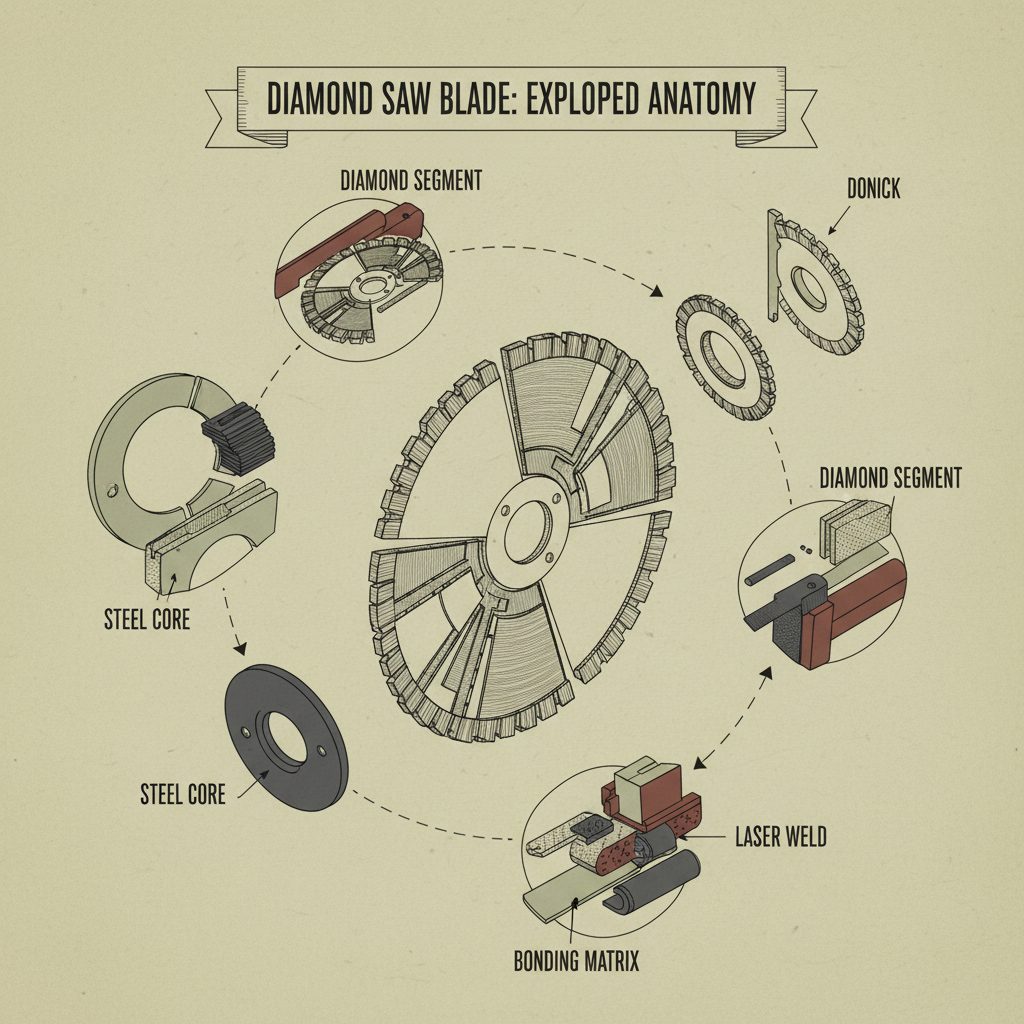
Several key factors determine the performance and longevity of a contractor diamond blade. Diamond Grit Quality is paramount; higher-quality diamonds resist wear and maintain sharper cutting edges for longer. The Bonding Matrix, the material holding the diamonds, plays a crucial role in how quickly diamonds are exposed during cutting, balancing wear and cutting speed.

Blade Thickness (Core Diameter) influences cutting depth and rigidity. Thicker blades are generally more durable but require more power. Segment Configuration, referring to the arrangement and type of diamond segments on the blade, is optimized for specific materials and cutting applications. Finally, Blade Speed (RPM), the rotational speed of the blade, affects cutting efficiency and heat generation.

Understanding these factors allows contractors to select the appropriate blade for their specific needs, maximizing performance and minimizing downtime. Selecting a contractor diamond blade requires consideration of these interconnected elements.

Global Applications of Contractor Diamond Blades

Contractor diamond blades are used extensively across a multitude of industries and geographical locations. In North America, they are vital for highway construction, concrete cutting for utilities, and large-scale building projects. Europe utilizes them heavily for historical restoration, where precise and clean cuts are essential for preserving architectural integrity.

Asia, experiencing rapid urbanization, represents a significant growth market for diamond blades, fueling massive infrastructure developments. In post-disaster relief operations, such as after earthquakes or hurricanes, these blades are instrumental in clearing debris and preparing sites for reconstruction. In remote industrial zones like mining operations in Australia, they are used for rock cutting and material processing.

From cutting granite countertops in residential kitchens to slicing through reinforced concrete in large-scale demolition projects, the versatility of contractor diamond blades ensures their continued importance in a wide range of applications globally.

Contractor Diamond Blade Performance Comparison


Advantages and Long-Term Value

The advantages of utilizing contractor diamond blades are multifaceted. From a cost perspective, their extended lifespan significantly reduces the frequency of blade replacements, ultimately saving money despite a potentially higher initial investment. They provide superior cutting performance, leading to increased productivity and faster project completion times.

Beyond the economic benefits, safety is a major consideration. Diamond blades produce cleaner cuts with less chipping and reduced risk of kickback, creating a safer working environment. Their durability and reliability contribute to peace of mind, knowing that the tool won’t fail unexpectedly during critical operations.

Future Trends in Diamond Blade Technology

The future of contractor diamond blade technology is focused on several key areas. Laser-welded blades are gaining prominence, offering increased segment durability and precision. Research into new bonding materials, including advanced polymers and metal alloys, is aimed at optimizing diamond exposure and maximizing cutting efficiency.

There's a growing trend towards ‘smart’ blades incorporating sensors that monitor wear, temperature, and cutting performance, providing valuable data for predictive maintenance and optimized blade usage. Furthermore, the integration of dust control technologies and the development of eco-friendly bonding agents are gaining traction due to increasing environmental regulations.

Common Challenges and Innovative Solutions

A common challenge with contractor diamond blades is premature wear, often caused by improper blade selection for the material being cut or inadequate cooling during operation. Another issue is dust generation, which poses health risks to workers and can create environmental concerns.

Innovative solutions include water-cooled blades, which dissipate heat and suppress dust, and blades with specialized segment geometries designed for specific materials. The development of dry-cutting blades with enhanced dust collection systems is also addressing this issue. Furthermore, training programs for contractors on proper blade selection and usage are crucial for maximizing blade lifespan and performance.

Ultimately, the key to overcoming these challenges lies in a combination of technological advancements, proper training, and a commitment to prioritizing safety and sustainability when selecting and utilizing contractor diamond blade solutions.

Summary of Common Challenges and Innovative Solutions for Contractor Diamond Blades

Challenge Severity (1-5) Existing Solutions Future Innovations
Premature Blade Wear 4 Proper Blade Selection, Cooling Advanced Bonding Materials
Excessive Dust Generation 5 Water-Cooled Blades, Dust Collection Dry-Cutting Blades with Improved Dust Control
Blade Segment Loss 3 Laser-Welded Segments Enhanced Segment Bonding Techniques
Inconsistent Cutting Performance 2 Quality Control Measures Smart Blades with Performance Monitoring
High Operational Costs 3 Optimized Blade Usage Predictive Maintenance Systems
Operator Safety Concerns 4 Safety Training, Protective Gear Automated Cutting Systems

FAQS

What is the typical lifespan of a high-quality contractor diamond blade?

The lifespan of a contractor diamond blade varies significantly based on material type, cutting frequency, and maintenance. However, a well-maintained, high-quality blade can typically provide between 50 to 200 hours of cutting time. Factors like using proper cooling techniques and avoiding excessive pressure can extend the blade's lifespan. Regular inspection for diamond loss and bond wear is also crucial for determining when replacement is necessary.

How do I choose the right diamond blade for my specific application?

Selecting the correct blade involves considering the material being cut (concrete, asphalt, tile, etc.), the cutting method (wet or dry), and the type of equipment being used. Harder materials require blades with higher diamond concentrations and aggressive bonding. Wet cutting allows for faster cutting speeds and reduces dust, while dry cutting requires blades designed for heat dissipation. Always consult manufacturer guidelines for material compatibility.

What safety precautions should I take when using a contractor diamond blade?

Safety is paramount when operating diamond blades. Always wear appropriate personal protective equipment (PPE), including safety glasses, gloves, and a dust mask or respirator. Ensure the work area is well-ventilated, and follow all manufacturer's safety instructions. Regularly inspect the blade for damage and never use a cracked or damaged blade.

How does water cooling affect blade performance?

Water cooling significantly improves blade performance by dissipating heat generated during cutting, preventing thermal stress and prolonging blade life. It also suppresses dust, creating a cleaner and safer working environment. Wet cutting typically allows for faster cutting speeds and deeper cuts compared to dry cutting. However, it requires a water supply and proper drainage.

What is the difference between segmented and continuous rim diamond blades?

Segmented blades feature diamond segments separated by metal spacers, making them ideal for general-purpose cutting and rough work. Continuous rim blades have a solid diamond coating around the entire blade circumference, providing cleaner, chip-free cuts suitable for precision work like tile cutting and finishing. The choice depends on the specific application and desired cut quality.

How can I maximize the lifespan of my diamond blade?

Maximizing lifespan requires proper use and maintenance. Always use the correct blade for the material, employ adequate cooling (water or air), and avoid excessive pressure. Regularly clean the blade to remove debris and inspect for diamond loss or bond wear. Store the blade properly in a dry environment to prevent corrosion. Following these guidelines will ensure optimal performance and longevity.

Conclusion

In conclusion, contractor diamond blades are indispensable tools in modern construction and material processing. Their durability, efficiency, and versatility make them crucial for a wide range of applications, from large-scale infrastructure projects to intricate renovation work. Understanding the key factors influencing blade performance – diamond grit quality, bonding matrix, blade thickness, and segment configuration – allows contractors to make informed decisions and optimize their cutting operations.

Looking ahead, continued innovation in diamond blade technology promises even greater efficiency, safety, and sustainability. By embracing these advancements and prioritizing proper blade selection, usage, and maintenance, contractors can unlock significant cost savings, enhance project timelines, and contribute to a more responsible and productive construction industry. Visit our website at www.mydiamondblade.com to explore our wide range of high-performance contractor diamond blades.
David Miller

David Miller

David Miller serves as Mingye Tools Technologies’ Regional Sales Manager for the Americas. With a decade of experience in the tool industry, David is responsible for expanding our market share and building strong relationships with distributors and end-users across the US and Canada. He has a deep understanding of the
Previous The Essential Guide to Diamond Blade Cut Off Wheel Applications and Technology
Next Advanced concut diamond blades for Precision Cutting and Industrial Applications
Can't Find The Products And Services You Need?
If you need our help,
Our staff will be happy to help and answer your questions!

Contact Us

Email: sales@mingyetools.com

Phone:0086-15369377868

Address

No.30 Gaoying Road ,Chang'an District,Shijiazhuang,Hebei Province

Business Hours

Mon to Saturday : 8.00 am - 7.00 pm

Sunday & Holidays : Closed

If you are interested in our products, you can choose to leave your information here, and we will be in touch with you shortly.