Diamond blade technology represents a cornerstone of modern material processing, impacting countless industries from construction and manufacturing to healthcare and even artistic endeavors. Its ability to precisely cut through incredibly hard materials with minimal waste has revolutionized how we build, create, and innovate. Understanding the nuances of diamond blade design, application, and maintenance is crucial for professionals and hobbyists alike, leading to increased efficiency, improved safety, and enhanced quality of work. The growing demand for precision and durability ensures that diamond blade technology will continue to evolve and play a vital role in shaping our world.
The global diamond blade market is a significant economic force, estimated to be worth billions of dollars annually. This demand is driven by rapid urbanization, infrastructure development in emerging economies, and a constant push for improved manufacturing processes. The ISO standards for diamond blade quality and performance are continually being refined, reflecting the industry’s commitment to innovation and safety. However, challenges remain, including the cost of raw materials, environmental concerns regarding waste disposal, and the need for more sustainable manufacturing practices.
The precision and efficiency offered by a diamond blade are indispensable. From the initial stages of quarrying stone to the delicate cutting of intricate glass designs, diamond blade technology provides solutions for a wide range of material processing needs. The development and refinement of diamond blade technology directly contributes to advances across many sectors, emphasizing its importance in modern industry and innovation.
Defining Diamond Blade Technology
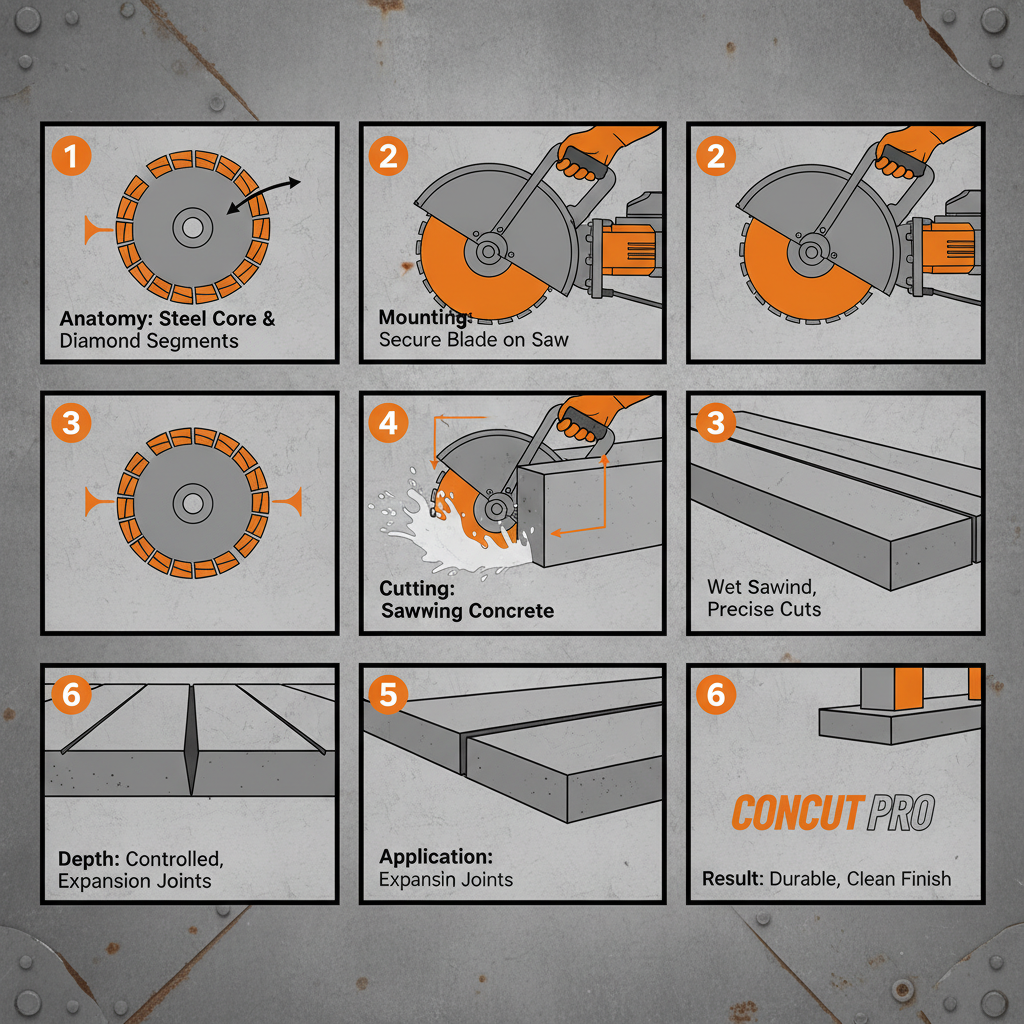
A diamond blade is a cutting tool utilizing industrial diamonds bonded to a metallic or resinous matrix. These blades are specifically engineered to cut a wide variety of materials, including concrete, asphalt, tile, glass, and stone. The diamond grit acts as the cutting agent, while the blade's core provides structural support and facilitates heat dissipation.
The importance of diamond blade technology stems from its ability to deliver clean, precise cuts with minimal chipping or damage to the material being processed. This is critical in industries where accuracy and aesthetic quality are paramount, like construction, landscaping, and artistic tile work. The efficiency offered by these blades also translates to cost savings and reduced project timelines.
The Global Relevance of Diamond Blades
Diamond blades are essential tools in the construction industry worldwide, enabling the cutting of concrete and asphalt for roads, buildings, and infrastructure projects. Emerging economies in Asia and Africa are experiencing rapid urbanization, driving significant demand for these blades. According to the United Nations, the global construction industry is projected to reach $15.4 trillion by 2030, further fueling the need for efficient cutting solutions.
Beyond construction, diamond blades play a crucial role in the manufacturing of tiles, ceramics, and glass products. The quality and precision of these blades directly impact the final product’s appearance and durability. World Bank data indicates a growing global market for building materials, emphasizing the continued relevance of diamond blade technology in supporting manufacturing processes.
The versatility of diamond blades extends to specialized applications, such as geological sampling, precision engineering, and even surgical procedures. The ongoing demand necessitates constant innovation and improvements in blade design and manufacturing techniques to meet the evolving needs of a diverse global marketplace.
Understanding Diamond Blade Composition
Diamond blades aren't simply a collection of diamonds glued to metal. Their composition is carefully engineered, with several key components working in harmony. The core, usually made of steel, provides the structural integrity and is often designed with cooling features like laser-cut slots to dissipate heat during operation. The bonding matrix, which holds the diamond grit, is commonly composed of metal powders or resins, chosen for their strength, heat resistance, and ability to securely hold the diamond crystals.
The type and size of the diamond grit itself are crucial determinants of a blade’s performance. Diamonds are graded based on size, shape, and clarity. Larger grit sizes are used for aggressive cutting of softer materials, while smaller grit sizes provide a smoother finish on harder, more brittle substances. The concentration of diamonds within the bonding matrix also impacts cutting speed and blade lifespan. Selecting the appropriate diamond grit and bonding matrix is crucial for optimizing blade performance for specific applications.
Modern diamond blades also incorporate additives to enhance their cutting capabilities. These additives can include lubricants to reduce friction, abrasives to aid in material removal, and protective compounds to extend blade life. The ongoing research and development in materials science continue to yield advancements in diamond blade composition, leading to blades that are more durable, efficient, and versatile.
Key Factors Influencing Diamond Blade Performance
Several factors impact the effectiveness and longevity of a diamond blade. First, the quality of the diamond grit is paramount. Using higher-grade, sharper diamonds results in faster cutting speeds and a cleaner finish. Second, the bonding matrix plays a vital role in securely holding the diamonds and effectively distributing cutting forces. A well-formulated matrix ensures consistent cutting performance and prevents premature diamond loss.
The correct blade speed and cooling method are also critical. Excessive heat can damage the bonding matrix and dull the diamond grit. Proper cooling, often achieved through water application or the blade’s internal cooling slots, helps maintain optimal cutting conditions.
Diamond Blade Performance Metrics
Applications of Diamond Blades Across Industries
Diamond blades are indispensable in the construction industry for cutting concrete, brick, and stone. They are utilized for tasks like road cutting, wall sawing, and slab cutting. In the landscaping sector, diamond blades are employed for cutting pavers, curbing, and natural stone.
The manufacturing sector relies on diamond blades for precise cutting of tiles, ceramics, glass, and composite materials. From automotive components to electronic devices, these blades enable the production of high-quality, intricate parts. Furthermore, diamond blades are critical in geological surveying and core drilling, allowing scientists to extract samples for analysis.
Benefits and Long-Term Value of Diamond Blades
Investing in high-quality diamond blades offers significant long-term benefits. The increased cutting speed and efficiency translate to reduced labor costs and faster project completion times. The precision cuts minimize material waste, contributing to cost savings and environmental sustainability.
Moreover, diamond blades are exceptionally durable and can be re-sharpened or re-segmented, extending their lifespan and reducing the need for frequent replacements. This durability, coupled with the enhanced safety features of modern blades, provides a compelling return on investment for businesses and individuals alike.
Future Trends and Innovations in Diamond Blade Technology
Ongoing research focuses on developing diamond blades with improved cutting performance and durability. Nanotechnology is being explored to enhance the bonding matrix and create blades that are more resistant to wear and tear. Laser technology is also being used to precisely segment diamond grit, optimizing cutting efficiency.
Sustainable manufacturing practices are gaining prominence, with manufacturers seeking to reduce waste and minimize the environmental impact of diamond blade production. The integration of sensors and data analytics is enabling the development of “smart” blades that can monitor their condition and provide real-time feedback on cutting performance.
The exploration of alternative bonding materials and diamond synthesis techniques promises to further revolutionize diamond blade technology, leading to blades that are more cost-effective, environmentally friendly, and capable of tackling even the most challenging cutting applications.
Summary of Key Considerations in Diamond Blade Selection
| Material Type |
Diamond Grit Size |
Bonding Matrix Type |
Typical Application |
| Concrete |
Medium-Coarse |
Metal Bond |
Road Sawing, Wall Cutting |
| Asphalt |
Coarse |
Metal Bond |
Road Repair, Expansion Joints |
| Tile/Ceramic |
Fine |
Resin Bond |
Tile Cutting, Flooring Installation |
| Glass |
Very Fine |
Resin Bond |
Glass Cutting, Decorative Edges |
| Stone |
Medium |
Metal/Resin Bond |
Landscaping, Monument Construction |
| Hard Materials |
Extra Fine |
Specialized Bond |
Precision Engineering, Scientific Applications |
FAQS
Dry diamond blades are designed for use without water cooling, relying on the blade's construction and the material being cut to dissipate heat. They are convenient for field work where water access is limited, but can wear faster. Wet diamond blades require a constant water supply to cool the blade and suppress dust. This enhances cutting performance, extends blade life, and minimizes airborne particles, making them ideal for indoor or controlled environments.
Selecting the right diamond blade depends on the material you're cutting, the type of cut required (wet or dry), and the desired speed and finish. Consider the hardness of the material; harder materials require blades with more aggressive diamond grit. Match the blade bond type (metal or resin) to the material being cut, and ensure proper cooling is available for optimal performance and longevity.
The lifespan of a diamond blade varies significantly based on usage, material cut, and blade quality. A well-maintained blade cutting softer materials can last for several hours of continuous use. Cutting harder materials, or neglecting proper cooling, will significantly reduce blade life. Regular inspection for diamond loss and bonding matrix wear will help determine when a blade needs to be replaced or re-sharpened.
Always wear appropriate personal protective equipment (PPE), including safety glasses, gloves, and a dust mask or respirator. Ensure proper ventilation when cutting indoors. Secure the workpiece properly before cutting, and follow the manufacturer's instructions for safe operation. Never exceed the blade's maximum RPM rating, and be mindful of potential kickback.
Some diamond blades can be re-sharpened by a professional, restoring a portion of their original cutting performance. However, re-sharpening is most effective for blades with metal bonding. Resin-bonded blades have limited re-sharpening potential. The cost of re-sharpening should be weighed against the cost of purchasing a new blade, considering the amount of diamond grit remaining.
Store diamond blades in a dry, protected environment to prevent corrosion and damage. Avoid stacking blades directly on top of each other, as this can dull the diamond grit. Use a blade storage rack or case to maintain blade integrity. Keep blades away from moisture and extreme temperatures to ensure optimal performance and longevity.
Conclusion
Diamond blade technology stands as a critical component of modern construction, manufacturing, and beyond. From its ability to precisely cut through a wide array of materials to its long-term cost-effectiveness and durability, the benefits of utilizing high-quality diamond blades are undeniable. The continual innovation within the field promises even more efficient, sustainable, and versatile cutting solutions in the future.
As industries continue to evolve, the demand for precision and efficiency will only increase. Exploring the latest advancements in diamond blade technology and adopting best practices for blade selection and maintenance will be essential for staying competitive and achieving optimal results. Visit our website at mydiamondblade.com to learn more about our range of diamond blades and find the perfect solution for your cutting needs.








.png )