Grinder disc diamond tools represent a critical component in modern material processing, serving a vast range of industries from construction and automotive to aerospace and electronics. Their ability to efficiently and precisely cut, grind, and polish hard materials like stone, ceramics, and metals makes them indispensable. As demand for high-performance materials grows globally, so too does the need for advanced grinder disc diamond technologies. Understanding the nuances of these tools – their composition, application, and ongoing innovation – is paramount for professionals seeking to optimize their operations and achieve superior results.
The global market for diamond tools, including grinder disc diamond variations, is substantial and continually expanding. According to industry reports, the market is projected to reach billions of dollars in the coming years, driven by infrastructure development in emerging economies and the increasing demand for precision manufacturing. However, challenges remain, including the cost of raw materials, the environmental impact of production, and the need for consistent quality control. Addressing these challenges is crucial to ensuring the sustainable growth of the industry.
Investing in high-quality grinder disc diamond tools offers significant long-term benefits. Beyond improved efficiency and precision, these tools can reduce overall project costs, minimize waste, and enhance workplace safety. For businesses seeking a competitive edge, understanding the technical specifications and appropriate applications of different grinder disc diamond types is vital.
Understanding Grinder Disc Diamond Technology
Grinder disc diamond technology centers around the use of industrial diamonds – synthetic or natural – bonded to a metal or resin matrix. These diamonds are renowned for their exceptional hardness, making them ideal for abrasive applications. The effectiveness of a grinder disc diamond isn’t solely dependent on the diamond's quality but also on the binding agent, the diamond grit size, and the overall construction of the disc. The goal is to create a tool that can efficiently remove material while maintaining its structural integrity.
The selection of a specific grinder disc diamond relies heavily on the material being worked and the desired outcome. Softer materials typically require coarser grit sizes and softer bonding agents, while harder materials demand finer grit sizes and stronger bonding. A deep understanding of material properties is vital for optimal tool selection.
The Core Components of a Grinder Disc Diamond
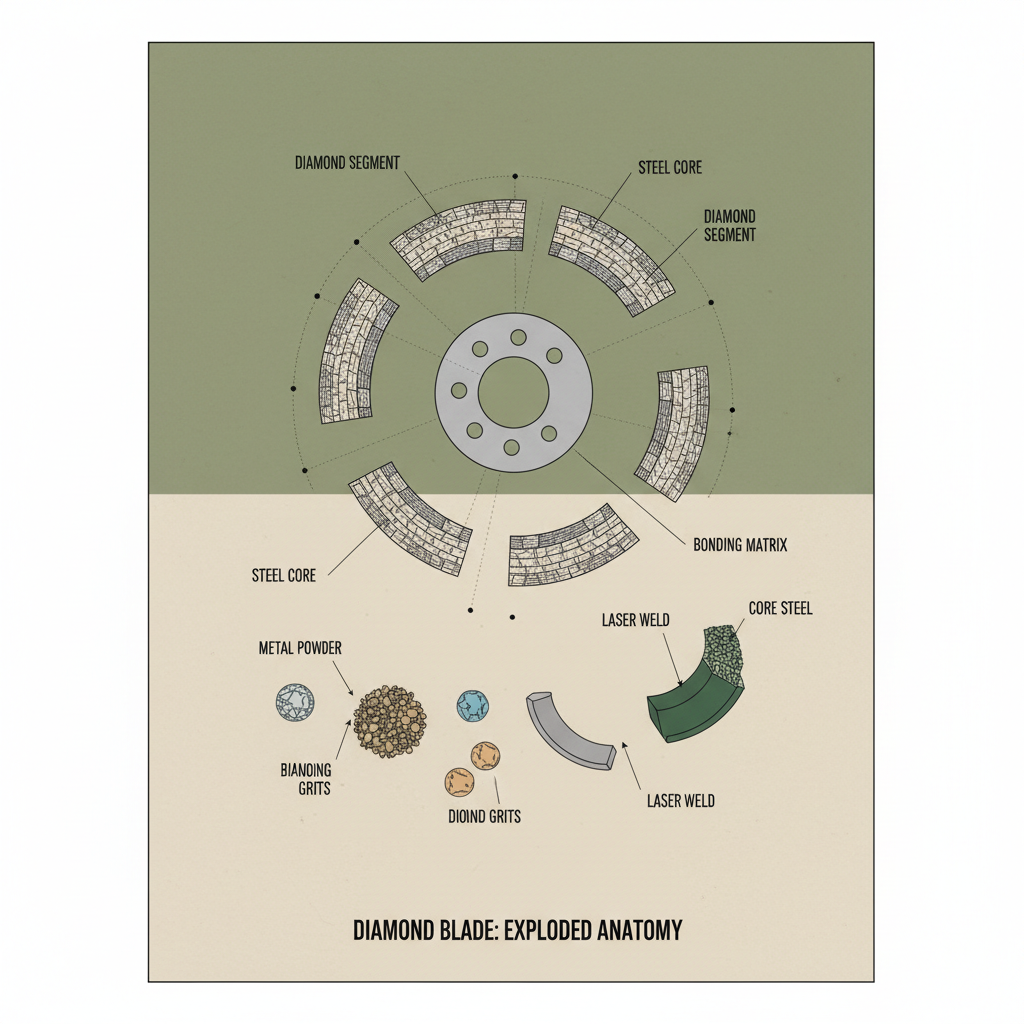
A typical grinder disc diamond consists of several key components working in synergy. The diamond grit itself is the primary cutting agent, and its concentration and size distribution significantly impact performance. The matrix, typically made of metal powders like steel, nickel, or cobalt, or resinous materials, binds the diamonds securely in place. The composition of the matrix influences the disc’s aggressiveness, lifespan, and suitability for different materials.
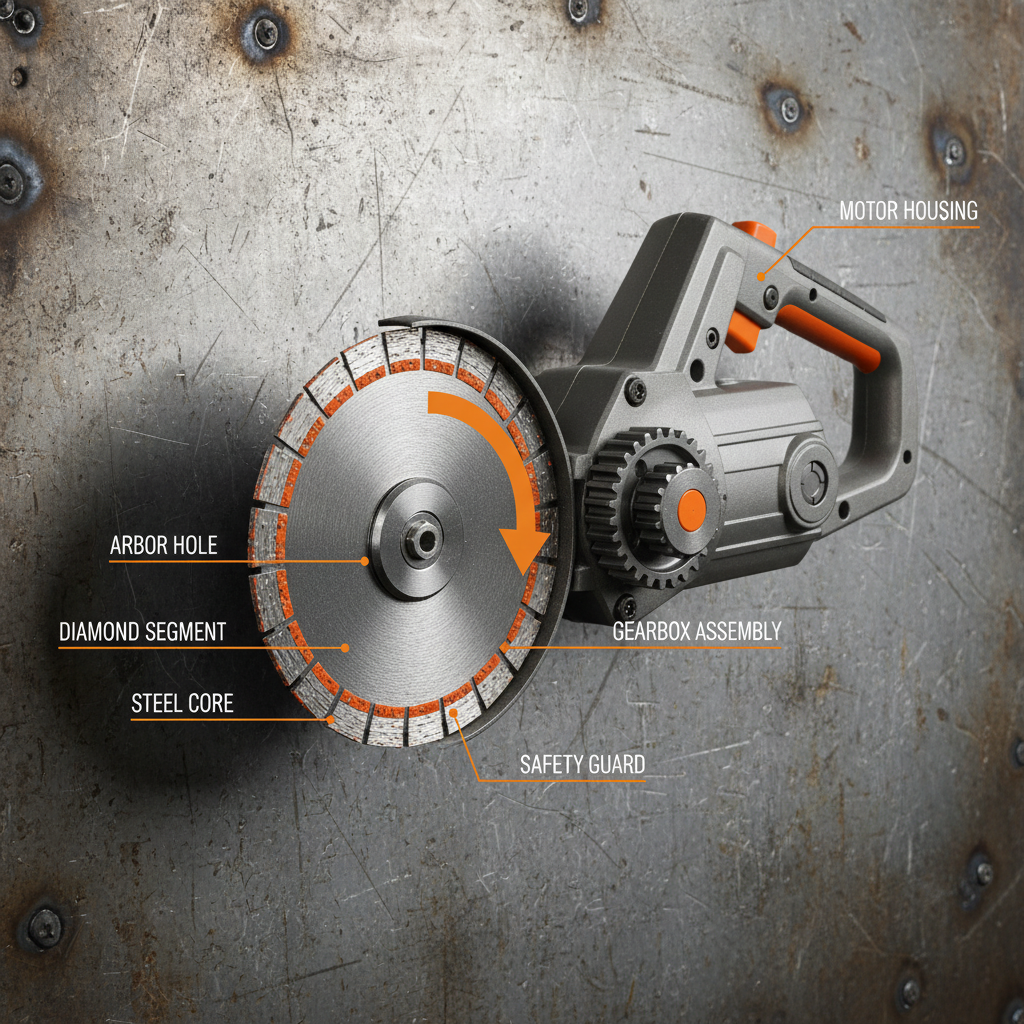
Furthermore, the core of the disc, usually steel, provides structural support and compatibility with grinding machinery. The quality of this core is crucial for preventing warping or breakage under stress. Segmented discs, common in construction, feature diamond segments strategically placed for optimized material removal and cooling.
Finally, the manufacturing process, including sintering (for metal-bonded discs) or curing (for resin-bonded discs), determines the strength and durability of the final product. Proper control of these processes is essential to ensure consistent performance and longevity.
Manufacturing Processes and Quality Control
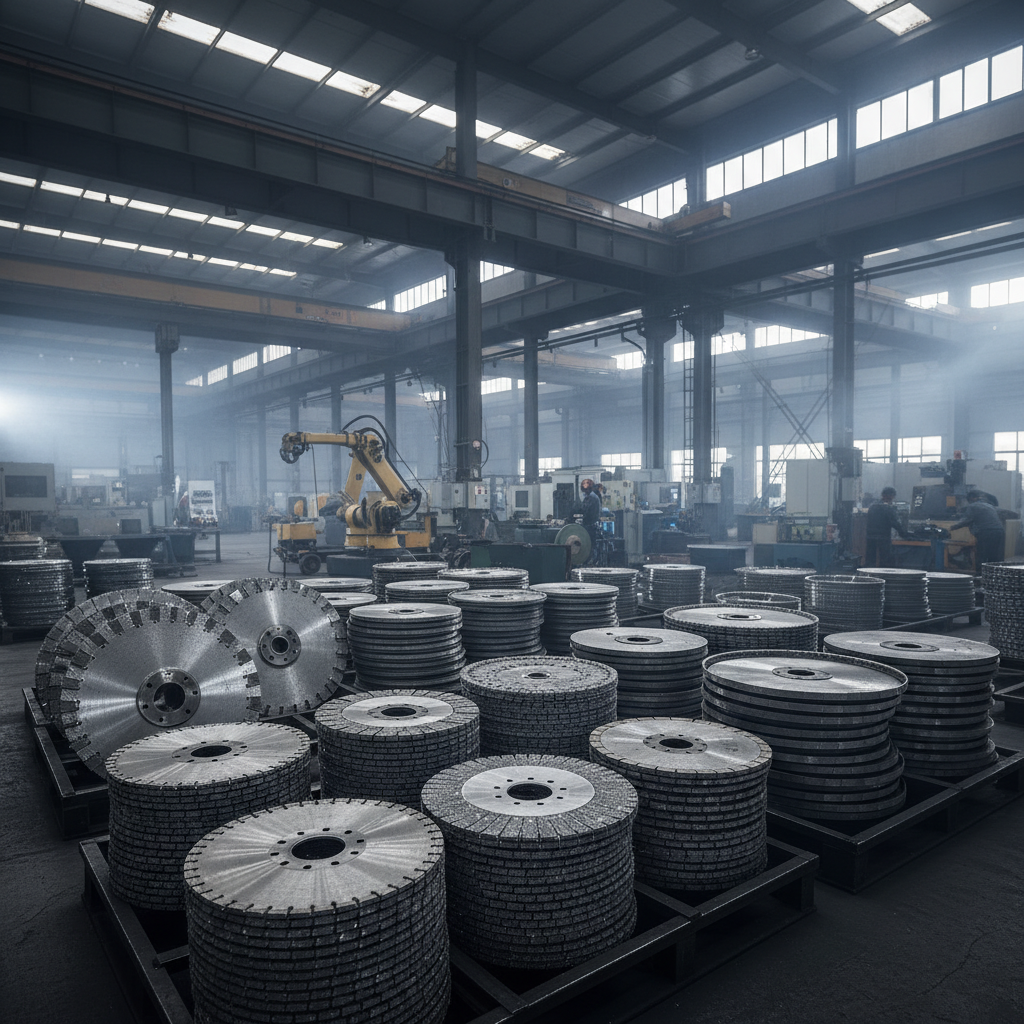
The manufacturing of grinder disc diamond involves a complex sequence of steps, beginning with the sourcing of high-quality diamond grit. This grit is then meticulously mixed with the chosen matrix material – metal powders or resin compounds – in precise proportions. The mixture is then formed into the desired disc shape, typically using pressing or molding techniques. This process is critical for ensuring uniform diamond distribution.
Following the forming stage, the disc undergoes a sintering or curing process. Sintering, used for metal-bonded discs, involves heating the disc to a high temperature in a controlled atmosphere, causing the metal particles to fuse together and securely bind the diamonds. Resin-bonded discs, on the other hand, undergo a curing process where the resin is hardened using heat or chemical catalysts. Quality control is paramount at every stage, involving rigorous testing of diamond concentration, bond strength, and dimensional accuracy.
Final inspection procedures include static and dynamic balancing to prevent vibration during operation, as well as visual checks for defects. Manufacturers often adhere to industry standards like ISO 9001 to ensure consistent quality and reliability. This commitment to quality translates directly into enhanced performance and longevity for the end-user.
Performance Characteristics of Grinder Disc Diamond
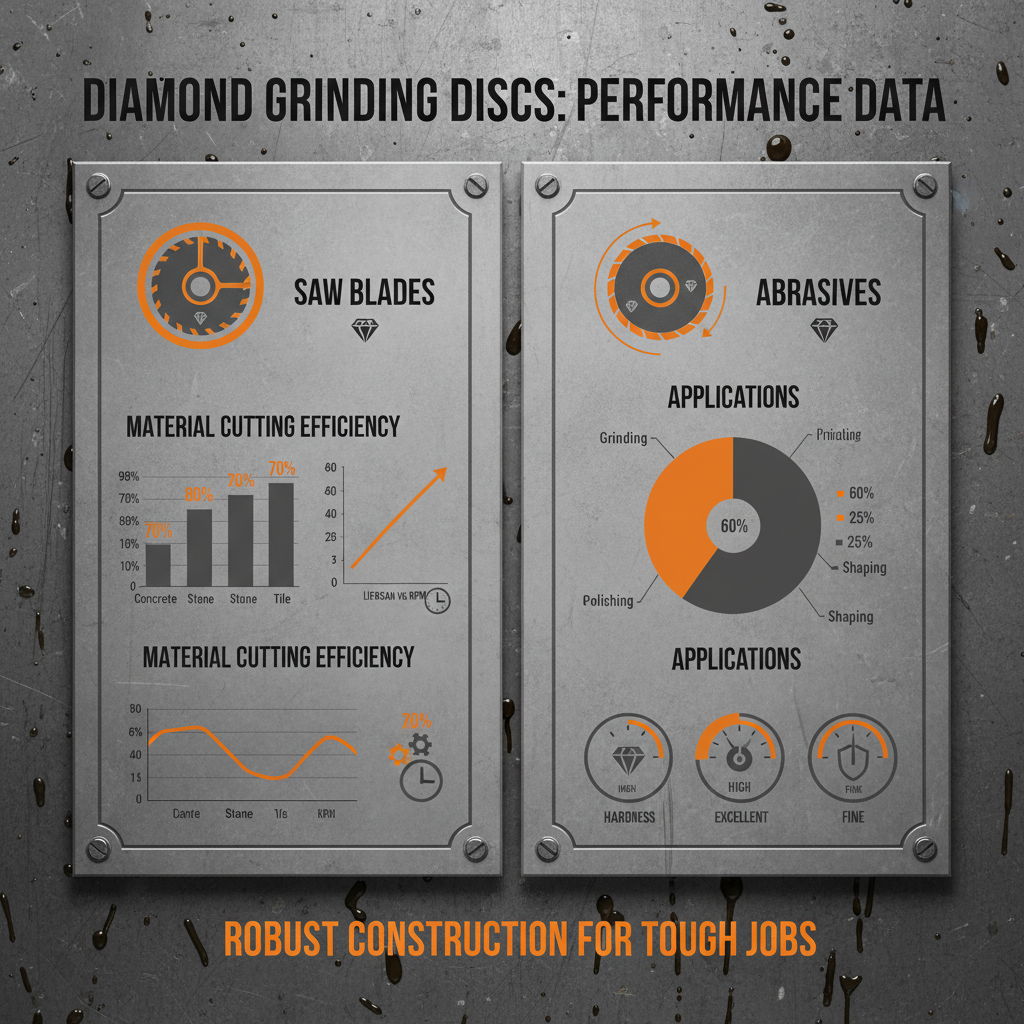
The performance of a grinder disc diamond is defined by several key characteristics. Aggressiveness, or the rate of material removal, is a primary consideration, influenced by diamond grit size and bond hardness. A more aggressive disc is suited for rapid stock removal, while a finer grit and harder bond yield a smoother finish.
Lifespan, determined by the durability of the diamond grit and the matrix, is another crucial factor. A longer lifespan reduces tool replacement costs and downtime. Thermal stability is vital, as excessive heat can degrade the diamond and reduce cutting efficiency.
Comparative Performance of Grinder Disc Diamond Bond Types
Global Applications Across Diverse Industries
Grinder disc diamond tools find extensive applications across a multitude of industries. In the construction sector, they are essential for cutting concrete, asphalt, and stone, facilitating tasks like road construction, building demolition, and tile installation. The automotive industry relies on them for precision grinding of engine components and brake rotors.
Aerospace manufacturers utilize grinder disc diamond tools for shaping and finishing high-strength alloys, ensuring the precise tolerances required for aircraft components. The electronics industry employs them for semiconductor wafer processing and the fabrication of microchips. In the stone and glass industry, they are indispensable for cutting, shaping, and polishing these materials.
Advantages and Long-Term Value Proposition
The advantages of using grinder disc diamond tools extend beyond mere performance. Their exceptional durability translates into reduced tool replacement frequency, lowering overall operating costs. The precision they offer minimizes material waste, contributing to improved resource efficiency. Moreover, the smooth finishes achieved reduce the need for secondary polishing or grinding operations, saving time and labor.
Investing in quality grinder disc diamond tools enhances workplace safety by reducing the risk of kickback and breakage. Their reliability fosters trust and confidence among operators, contributing to increased productivity. From a sustainability perspective, their longevity and efficient material removal align with environmentally responsible practices.
Ultimately, the long-term value proposition of grinder disc diamond tools lies in their ability to deliver consistently superior results, minimize costs, and promote a safer, more sustainable operation.
Future Trends and Innovations in Diamond Grinding
The field of grinder disc diamond technology is constantly evolving, driven by innovations in materials science and manufacturing processes. Ongoing research focuses on developing new diamond matrix materials with enhanced bonding strength and thermal stability. Nanotechnology is being explored to create diamond grit with tailored properties for specific applications.
The integration of sensor technology into grinder disc diamond tools promises real-time monitoring of wear and performance, enabling predictive maintenance and optimized tool utilization. Automation and robotic grinding systems are also gaining traction, increasing efficiency and reducing human error.
Furthermore, there is a growing emphasis on developing more sustainable manufacturing processes for grinder disc diamond tools, including the use of recycled materials and the reduction of energy consumption. These advancements will shape the future of diamond grinding, driving even greater efficiency, precision, and sustainability.
Summary of Key Considerations for Selecting Grinder Disc Diamond Tools
| Material Being Ground |
Bond Type |
Grit Size |
Application Focus |
| Concrete |
Metal |
Coarse (30/40) |
Rapid Stock Removal |
| Granite |
Resin |
Medium (80/100) |
Edge Profiling |
| Ceramics |
Vitrified |
Fine (180/200) |
Precision Cutting |
| Steel |
Metal |
Very Fine (400/500) |
Surface Finishing |
| Glass |
Resin |
Extra Fine (800/1000) |
Polishing |
| Tile |
Resin |
Medium (60/80) |
Cutting and Shaping |
FAQS
For rapid concrete removal, a coarse grit (30/40 or 50/60) is recommended. This allows for aggressive material removal, but will result in a rougher finish. It's ideal for initial grinding stages where speed is paramount. Choosing a metal-bonded disc will maximize the grinding power, but ensure proper safety precautions are followed.
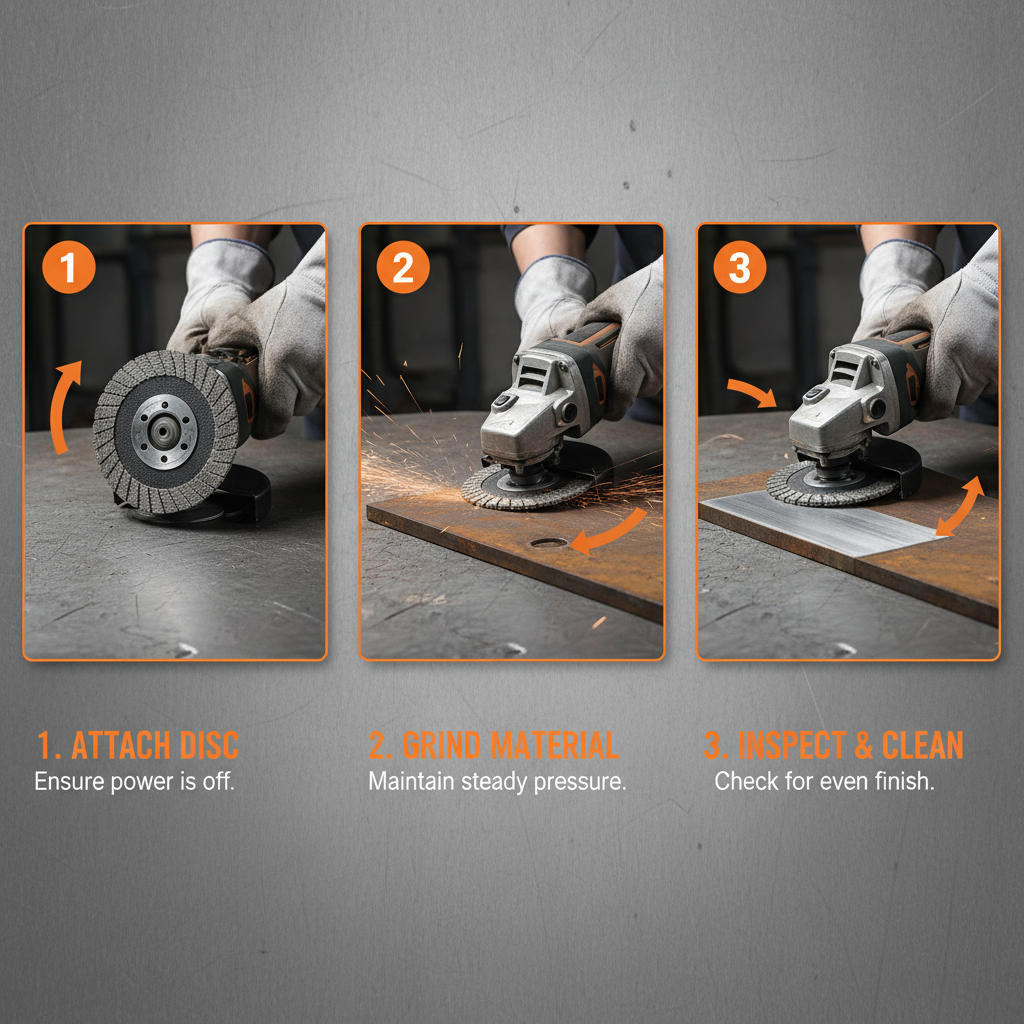
To maximize the lifespan of your disc, avoid excessive pressure and use a consistent, even grinding pattern. Allow the disc to do the work – forcing it can lead to premature wear. Regularly inspect the disc for damage and replace it when it becomes significantly worn or damaged. Proper cooling (using water, for example) can also help prevent overheating and extend its life.
Metal-bonded discs are generally more aggressive and durable, making them suitable for hard materials like concrete and stone. They are best for heavy-duty grinding and often used in construction. Resin-bonded discs offer a smoother finish and are better suited for materials like tile, glass, and softer stones. They are typically used for cutting and polishing applications.
Diamond grinding discs are powerful tools and require careful handling. Always wear appropriate personal protective equipment (PPE), including safety glasses, a dust mask, gloves, and hearing protection. Ensure the workpiece is securely clamped and the disc is properly mounted. Follow the manufacturer's instructions and never exceed the disc's maximum operating speed.
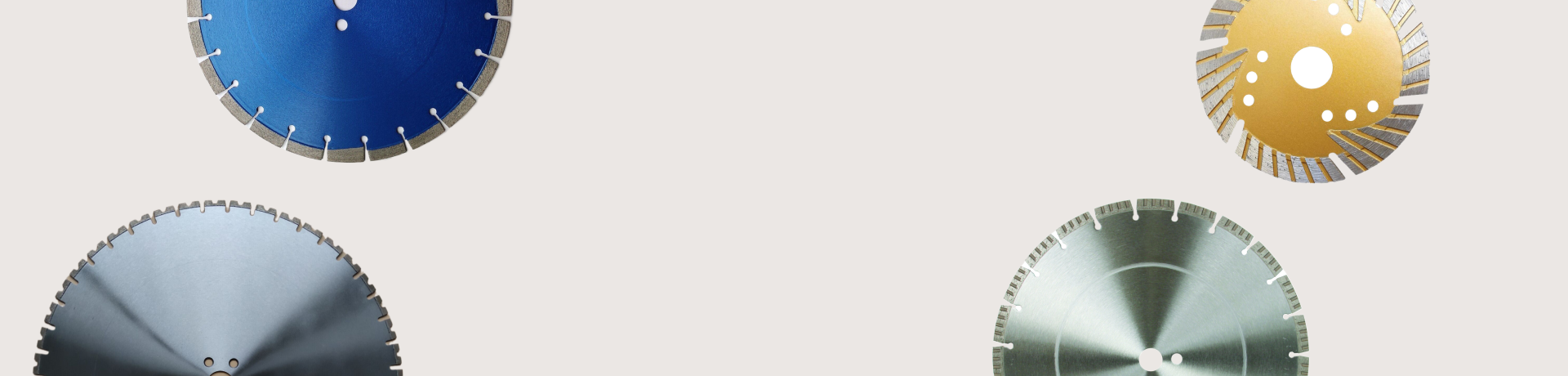
Segmentation refers to the arrangement of diamond segments on the disc's perimeter. Segmented discs are designed to allow for cooling airflow between the segments, preventing overheating and prolonging the disc's lifespan. They are commonly used for applications where significant material removal is required, such as concrete grinding.
Bond hardness refers to how tightly the diamond grit is held within the matrix. Softer bonds release diamond grit more readily, making them more aggressive but with a shorter lifespan. Harder bonds retain grit longer, resulting in a slower cutting rate but increased durability. Harder materials require harder bonds, and softer materials require softer bonds.
Conclusion
In conclusion, grinder disc diamond tools are indispensable components of modern material processing, offering unparalleled performance, durability, and precision. Understanding the core components, manufacturing processes, and applications of these tools is crucial for optimizing operations and achieving superior results. Continued innovation in materials science and manufacturing technologies promises to further enhance the capabilities and sustainability of grinder disc diamond technology.
As industries continue to demand higher levels of efficiency and precision, investing in high-quality grinder disc diamond tools is not simply a cost, but a strategic advantage. We encourage you to explore our comprehensive range of products at www.mydiamondblade.com and discover how we can help you unlock the full potential of diamond grinding.








.png )