
You know, I've been running around construction sites for almost twenty years. Honestly, the stuff that's trending now… it's all about speed and durability, right? Everyone wants things done faster and to last longer. Seems obvious, I know. But it's driving a lot of innovation in the diamond blade manufacturers world. We’re seeing a big push for segmented blades – they cut faster, supposedly. But, and this is a big but, they also wear down quicker. Gotta find that sweet spot, you know? It’s not just about the hype; it's about what holds up after a full day of hard work.
And let me tell you, designing these things isn't as simple as it looks. You fall into traps so easily. Like, everyone thinks thicker is always better. Not necessarily! Thicker blades can bind up in certain materials. Have you noticed how different concrete mixes behave? Some are just… greedy. They want to swallow the blade whole. That’s when you need a thinner kerf, something that can slip through without fighting. It’s a constant balancing act.
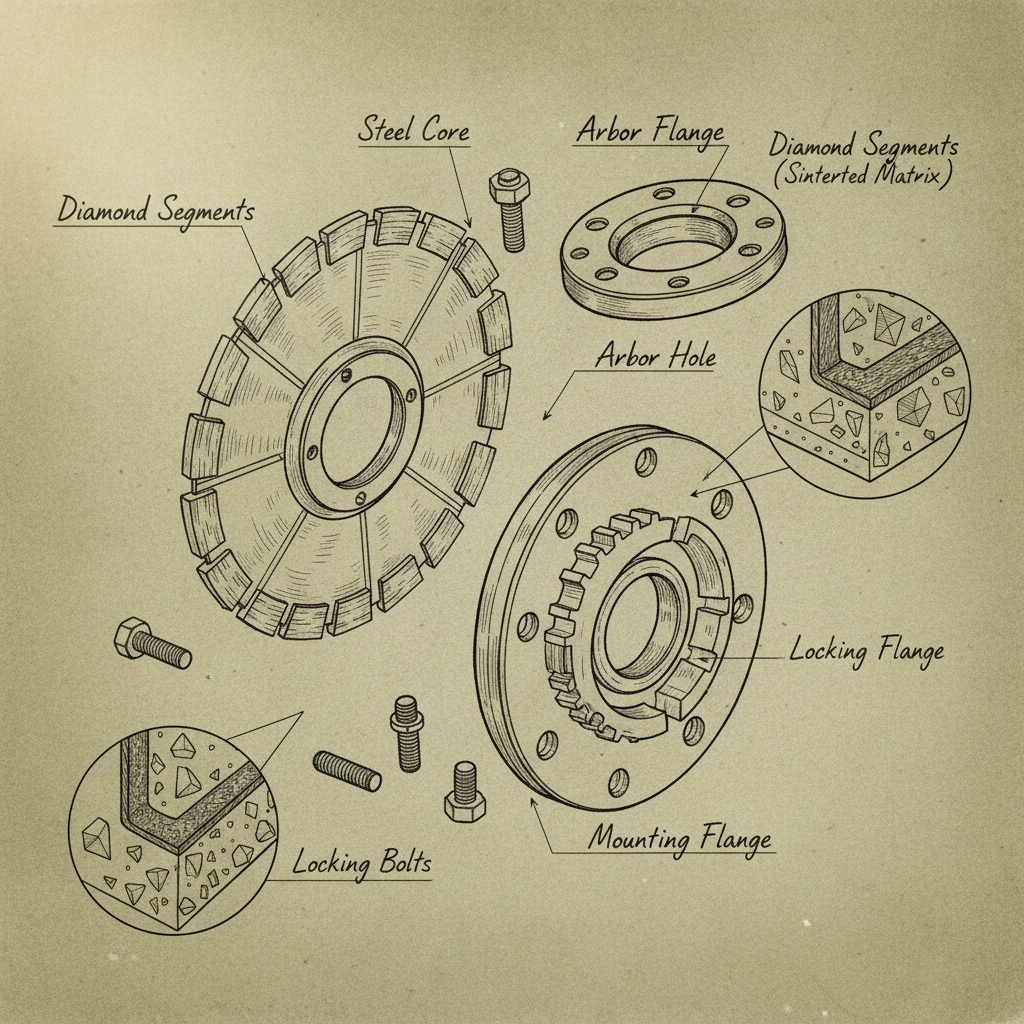
The materials themselves… now that's something. Most of the good blades use a matrix of cobalt and steel powder. Cobalt gives it that toughness, the ability to withstand the heat and stress. But too much cobalt, and it gets brittle. It’s a weird feel – almost powdery when you tap it, but you want it to ring a little too, if that makes sense. And the diamonds, of course. Industrial-grade diamonds, mostly synthetic these days. They smell kinda… metallic when you first open a new blade. Not a pleasant smell, but you get used to it. You learn to trust it.
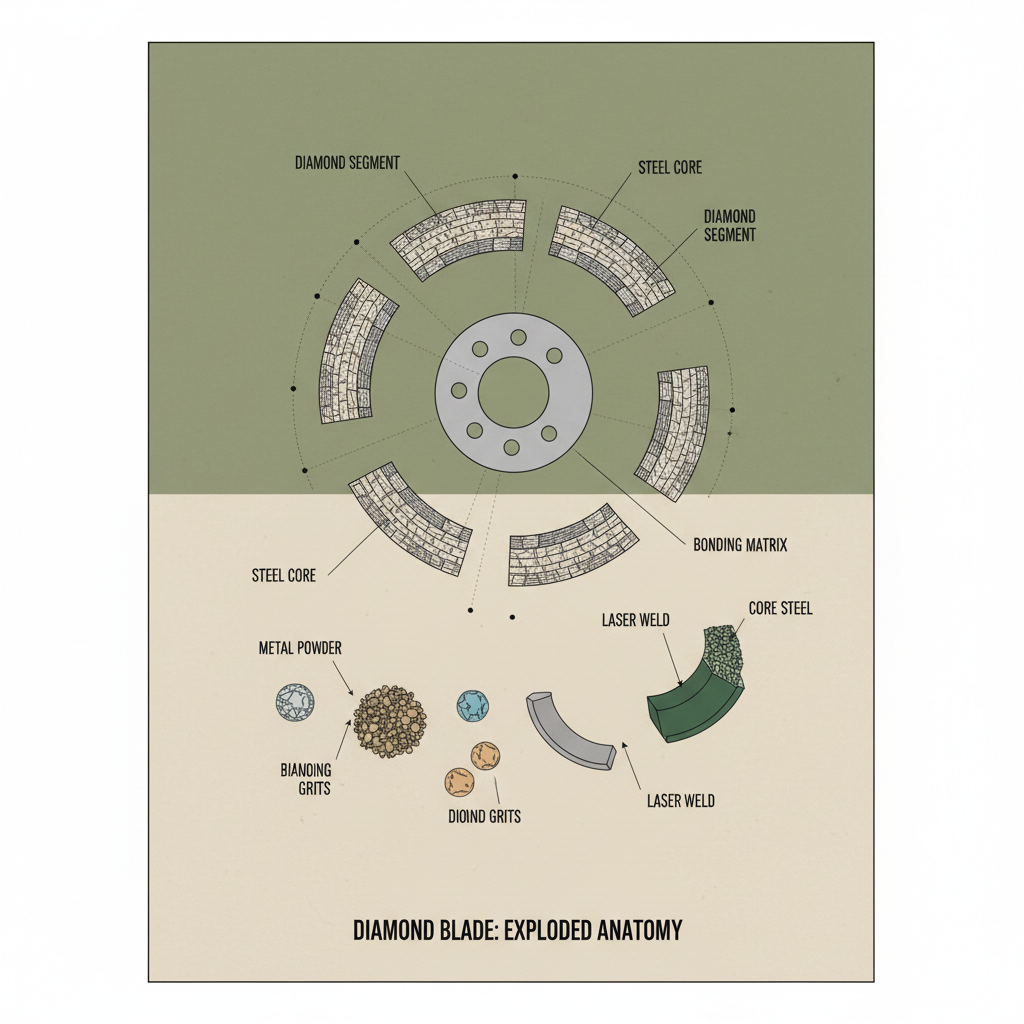
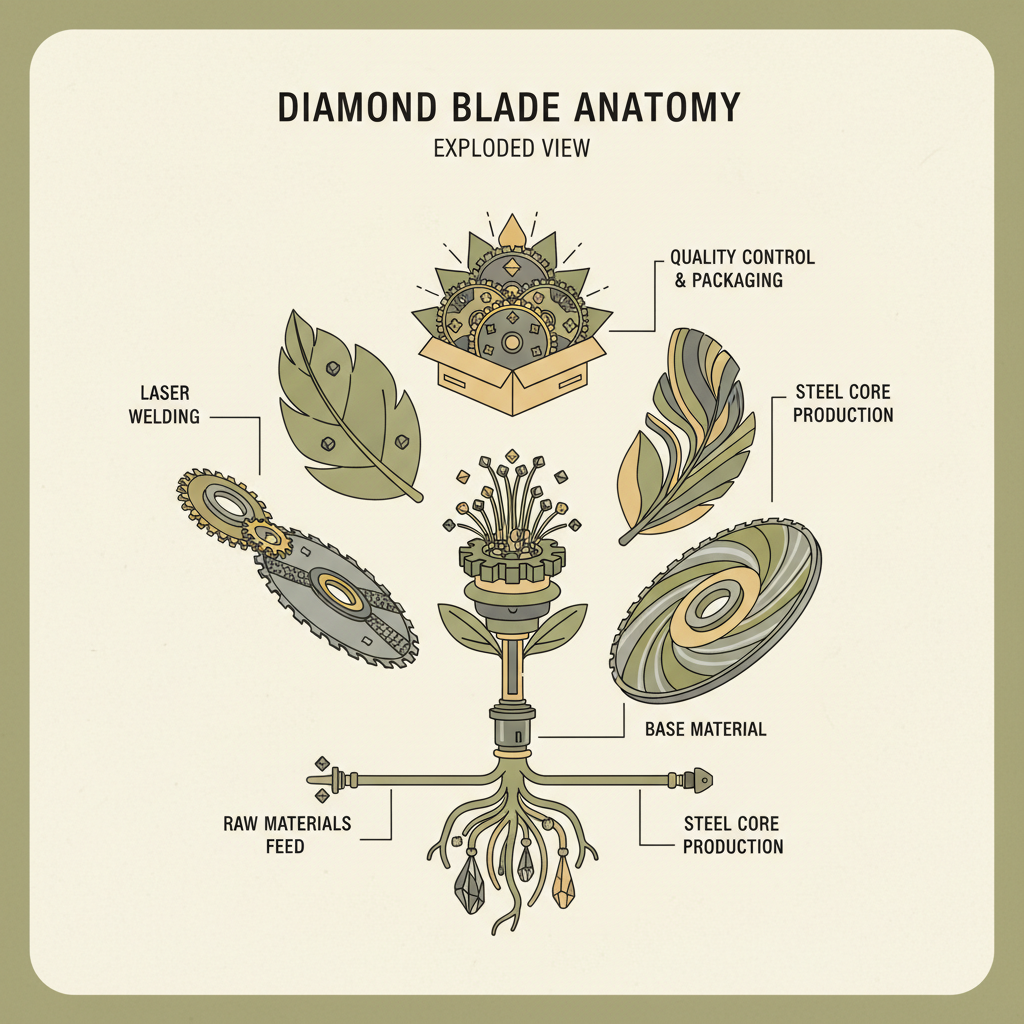
To be honest, everyone's chasing efficiency. They want blades that cut faster, last longer, and need less water. The problem is, you can’t always have it all. A lot of these new “turbo” blades, they cut like a hot knife through butter… at first. But the segments wear unevenly, and suddenly you’re fighting vibration and losing precision. Strangely, some of the older designs, the simple continuous rim blades, still hold up surprisingly well for certain applications. It depends. It always depends.
And the core bonding? That’s where a lot of manufacturers cut corners. A weak bond means the diamonds fall out, obviously. But a too strong bond can prevent the diamonds from properly exposing themselves during cutting. It's a delicate balance. It’s why you see so much variation in blade performance even within the same price range.
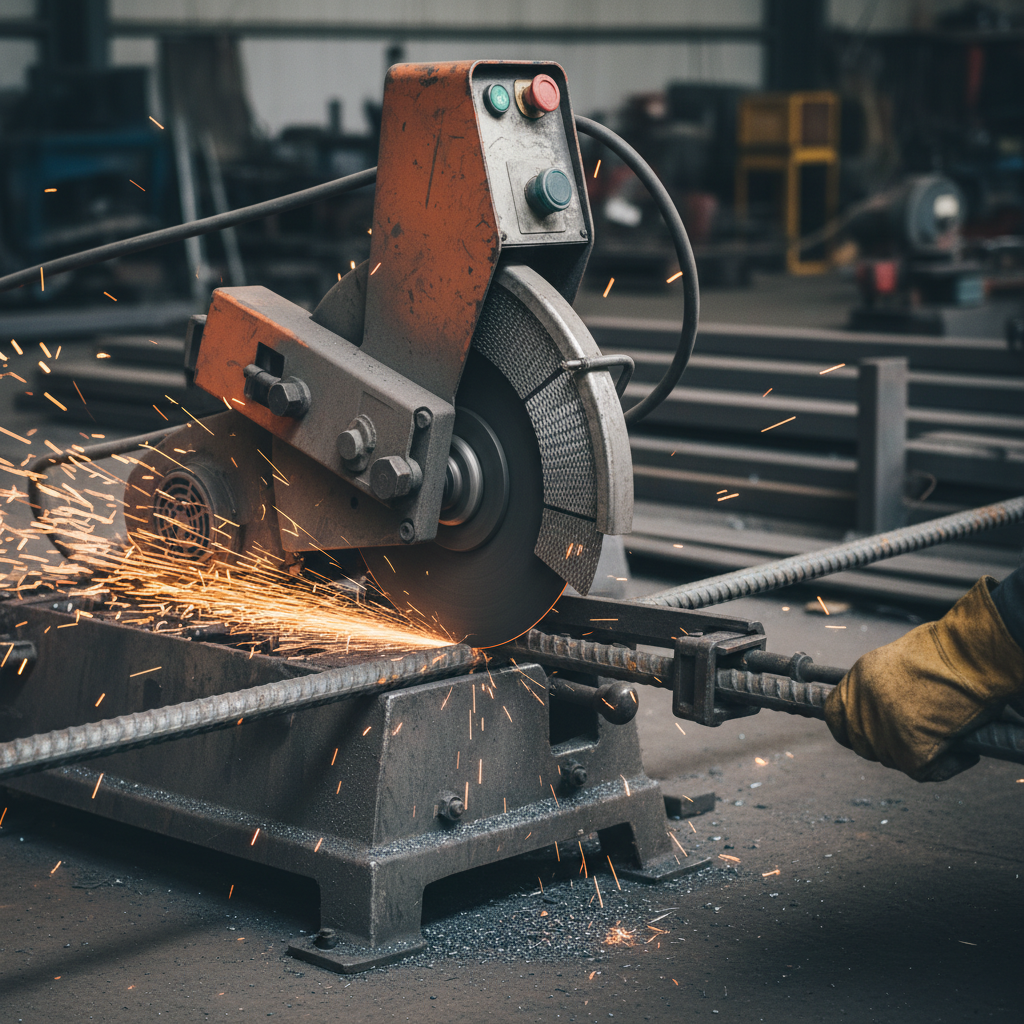
Honestly, cutting rebar with a diamond blade is never ideal. It'll dull the blade incredibly fast. You’re better off using a dedicated abrasive blade designed for cutting metal. But if you absolutely have to, get a blade with a high diamond concentration and a tough matrix. Expect it to wear out quickly, though. And always wear appropriate safety gear, including eye protection.
Binding happens when the blade gets clogged with swarf or tries to cut too aggressively into the material. Make sure you’re using plenty of water cooling to flush away the debris. Also, don’t force the blade. Let the saw do the work. If it starts to bind, ease up on the pressure and let the blade regain its cutting speed. A properly sharpened blade also helps a lot.
Generally, no. Dry blades are designed to operate without water cooling, and the matrix isn’t formulated to withstand prolonged exposure to water. It can lead to premature wear and failure. However, some blades are specifically designed for both wet and dry cutting. Check the manufacturer’s specifications before using water with a dry blade.
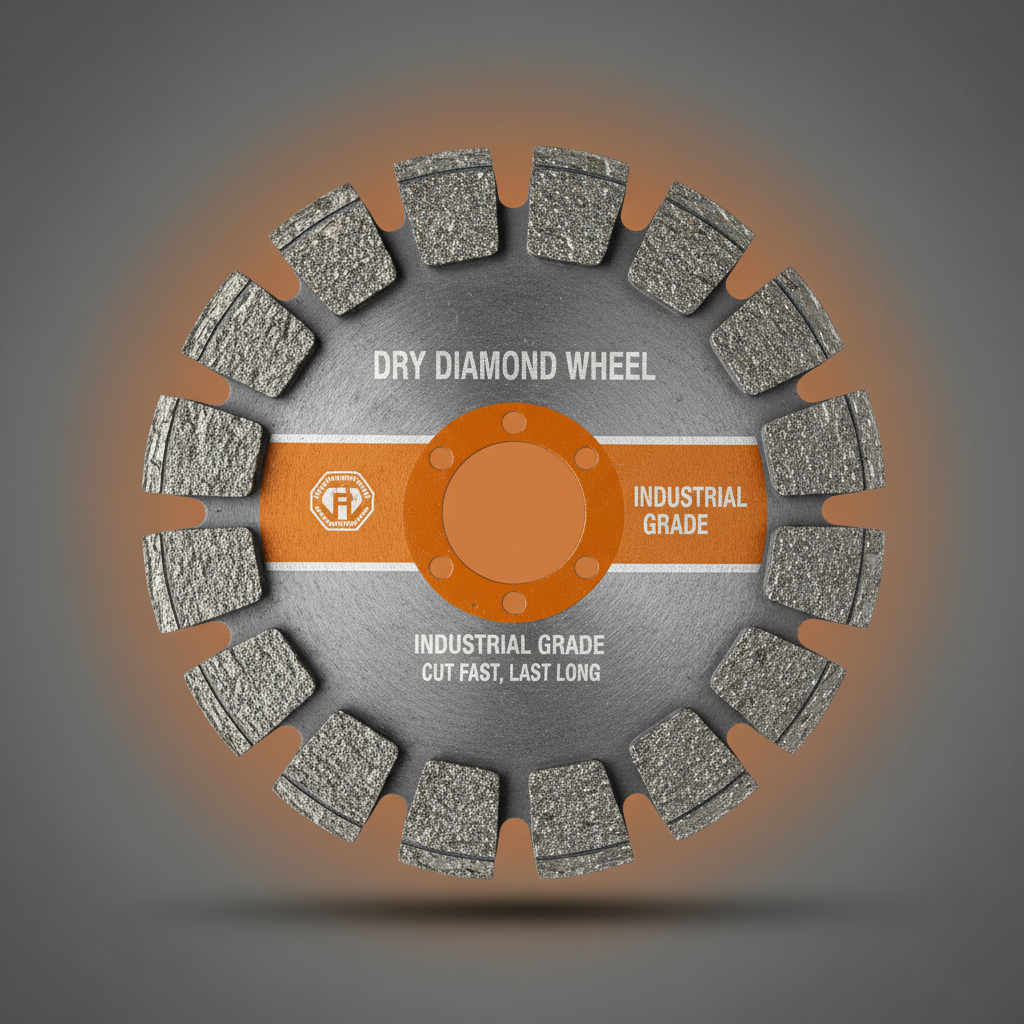
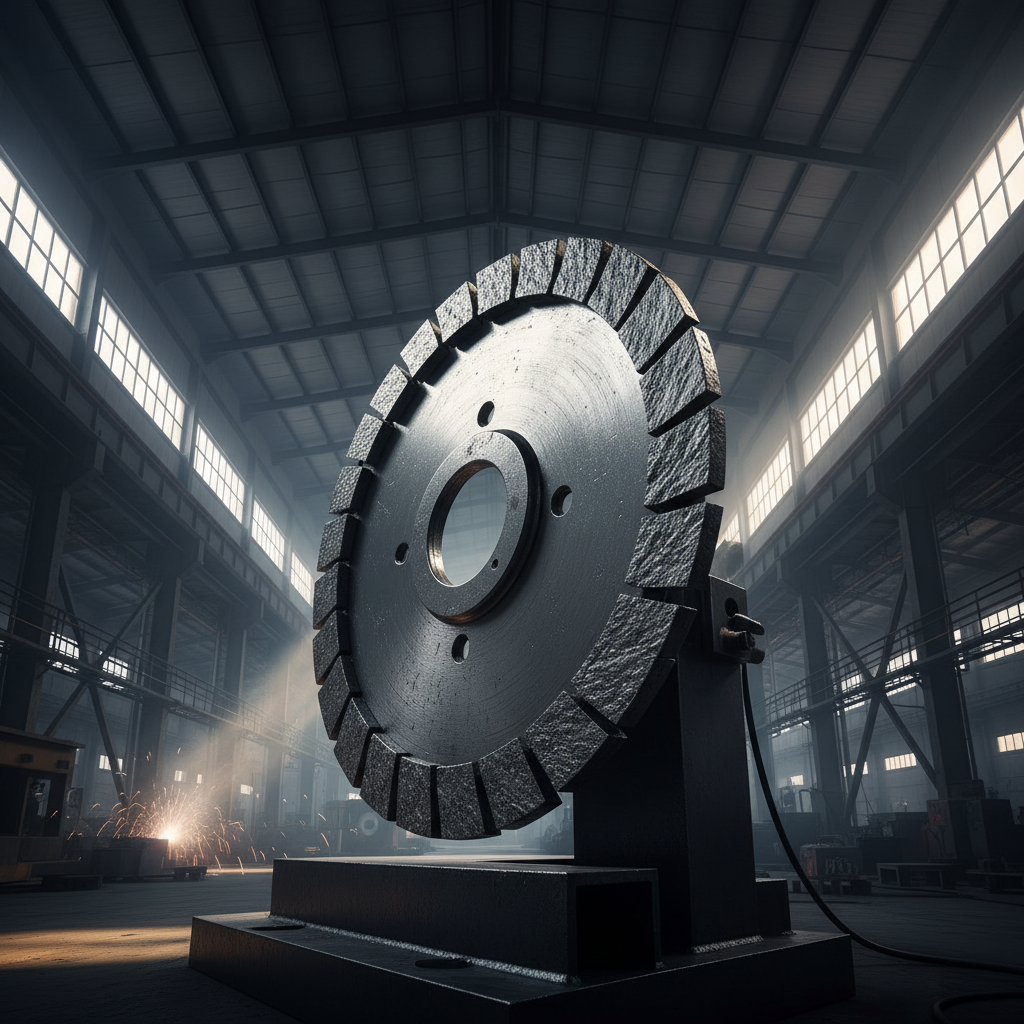
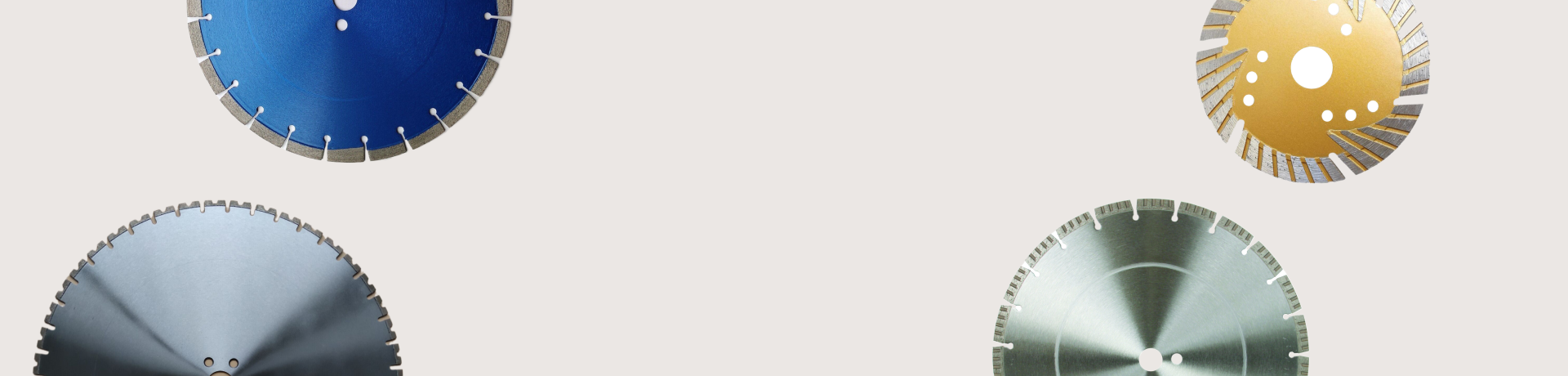
Segmented blades have individual diamond segments bonded to the core. They’re good for fast cutting of abrasive materials like concrete and asphalt. Continuous rim blades have a solid diamond coating around the entire circumference. They’re better for clean, precise cuts in harder materials like tile and stone. It really depends on the application.
Store them flat, in a dry place. Don’t stack them on top of each other, as this can damage the segments. And avoid storing them where they’ll be exposed to extreme temperatures or humidity. A dedicated blade rack is a good investment if you use a lot of blades.
If you notice a significant decrease in cutting speed, a rougher cut quality, or increased vibration, it’s likely time to replace the blade. You can also inspect the diamond segments for wear. If they’re significantly worn down or missing, the blade is definitely past its prime.
So, yeah, diamond blade manufacturers aren't glamorous. It’s dirty work, a lot of trial and error, and a whole lot of learning from mistakes. But at the end of the day, a good blade makes a difference. It saves time, reduces costs, and ensures a quality result. And that’s what matters.
Ultimately, whether this thing works or not, the worker will know the moment he tightens the screw. If it cuts smooth and true, great. If it binds up and sparks, well, you know you’ve got a problem. So, check out our range of diamond blade manufacturers at www.mydiamondblade.com. We've got something for every job, and we stand behind our products.



Address
No.30 Gaoying Road ,Chang'an District,Shijiazhuang,Hebei Province
Business Hours
Mon to Saturday : 8.00 am - 7.00 pm
Sunday & Holidays : Closed



.png )