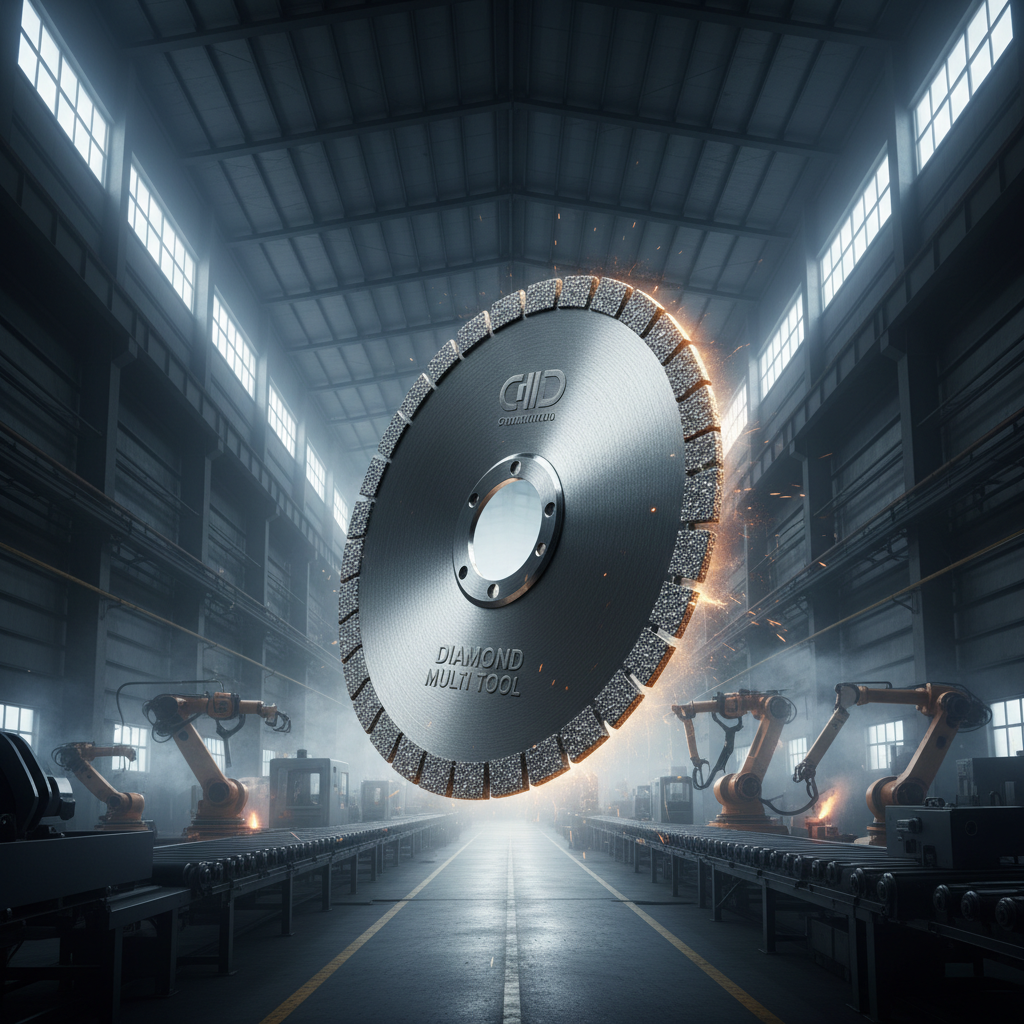
The diamond multi tool blade represents a significant advancement in cutting and material processing technology, impacting industries from construction and landscaping to automotive and DIY projects. Its ability to handle a diverse range of materials—ceramic tile, glass, metal, concrete, and wood—with a single blade streamlines workflows and reduces tool clutter. Understanding the nuances of diamond multi tool blade technology is crucial for professionals and enthusiasts alike, ensuring optimal performance, safety, and cost-effectiveness.
Globally, the demand for versatile and efficient cutting tools is constantly increasing, driven by infrastructure development, urbanization, and a growing emphasis on precision in manufacturing. The diamond multi tool blade addresses this need by offering a superior alternative to traditional segmented or continuous rim blades, often requiring multiple tools for different materials. The market for these blades is experiencing steady growth, fueled by innovation in diamond grit technology and bonding matrices.
Essentially, a diamond multi tool blade combines the cutting power of industrial-grade diamonds with a specialized bonding matrix that secures the diamonds to a steel core. This allows for aggressive cutting action across a wide spectrum of materials, minimizing chipping, cracking, and material waste. Its versatility simplifies projects, saving time and money while delivering professional-quality results.
The Versatility of Diamond Multi Tool Blades
The primary appeal of a diamond multi tool blade lies in its exceptional versatility. Unlike traditional blades optimized for specific materials, this blade excels at cutting through a vast array of substances. This eliminates the need for multiple blades and simplifies tool management, making it ideal for both professionals and DIYers tackling diverse projects.
This adaptability extends beyond simply cutting different materials. The blade's performance characteristics—speed, smoothness of cut, and durability—are consistently high, regardless of the material being processed. This makes it a reliable and efficient tool for demanding applications across a wide spectrum of industries.
Global Impact and Industry Relevance
The global construction industry, valued at over $10 trillion annually (according to Statista), heavily relies on efficient cutting tools. Diamond multi tool blades significantly contribute to this efficiency by reducing downtime associated with blade changes and improving cutting accuracy, thereby minimizing material waste. This impact extends to infrastructure development, residential construction, and renovation projects worldwide.
Furthermore, the manufacturing sector, including automotive, aerospace, and electronics, utilizes diamond multi tool blade technology for precise material processing. The demand for high-precision cutting in these industries is driven by the need for tighter tolerances, improved product quality, and reduced manufacturing costs. The adoption of these blades is particularly prevalent in countries with advanced manufacturing capabilities, like Germany, Japan, and the United States.
The increasing focus on sustainability also drives the demand for durable and long-lasting tools like the diamond multi tool blade. By reducing the frequency of blade replacements, these blades contribute to lower waste generation and resource consumption, aligning with global environmental goals.
Defining the Diamond Multi Tool Blade
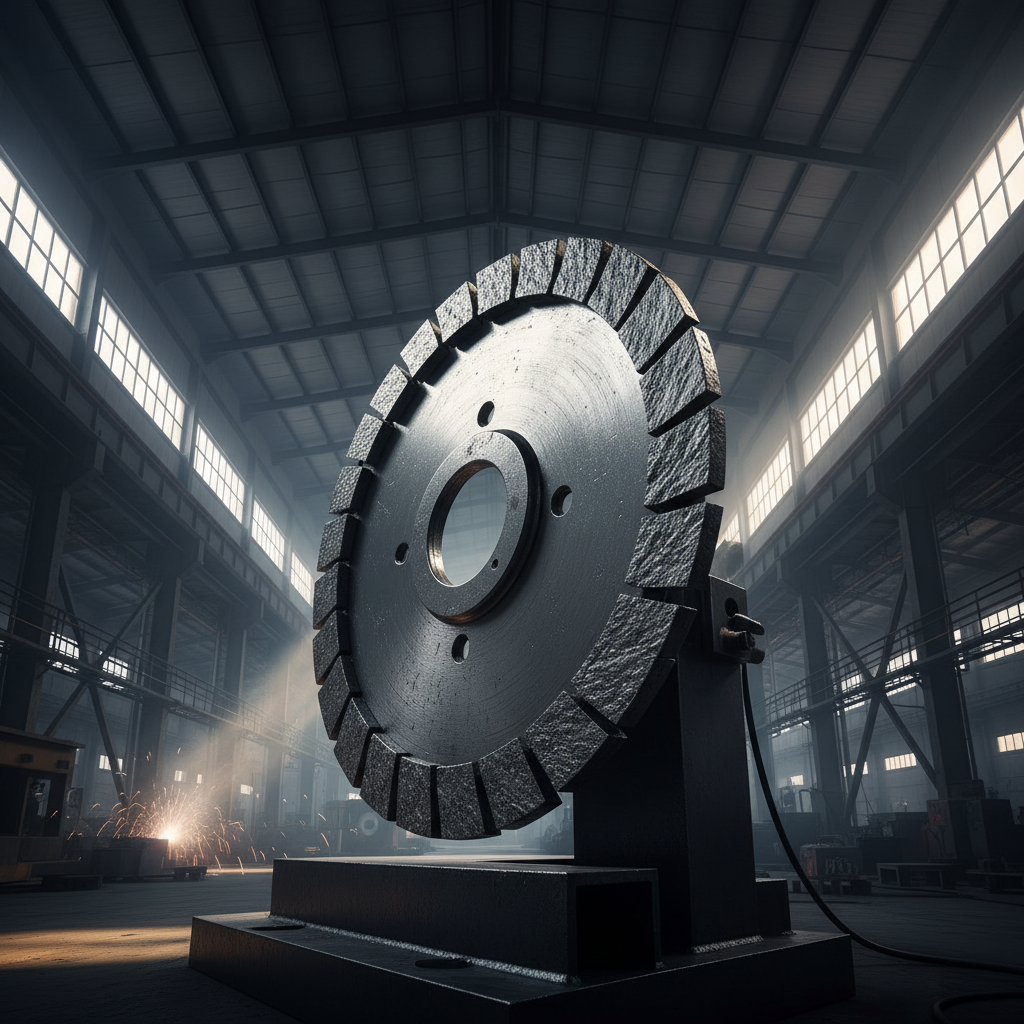
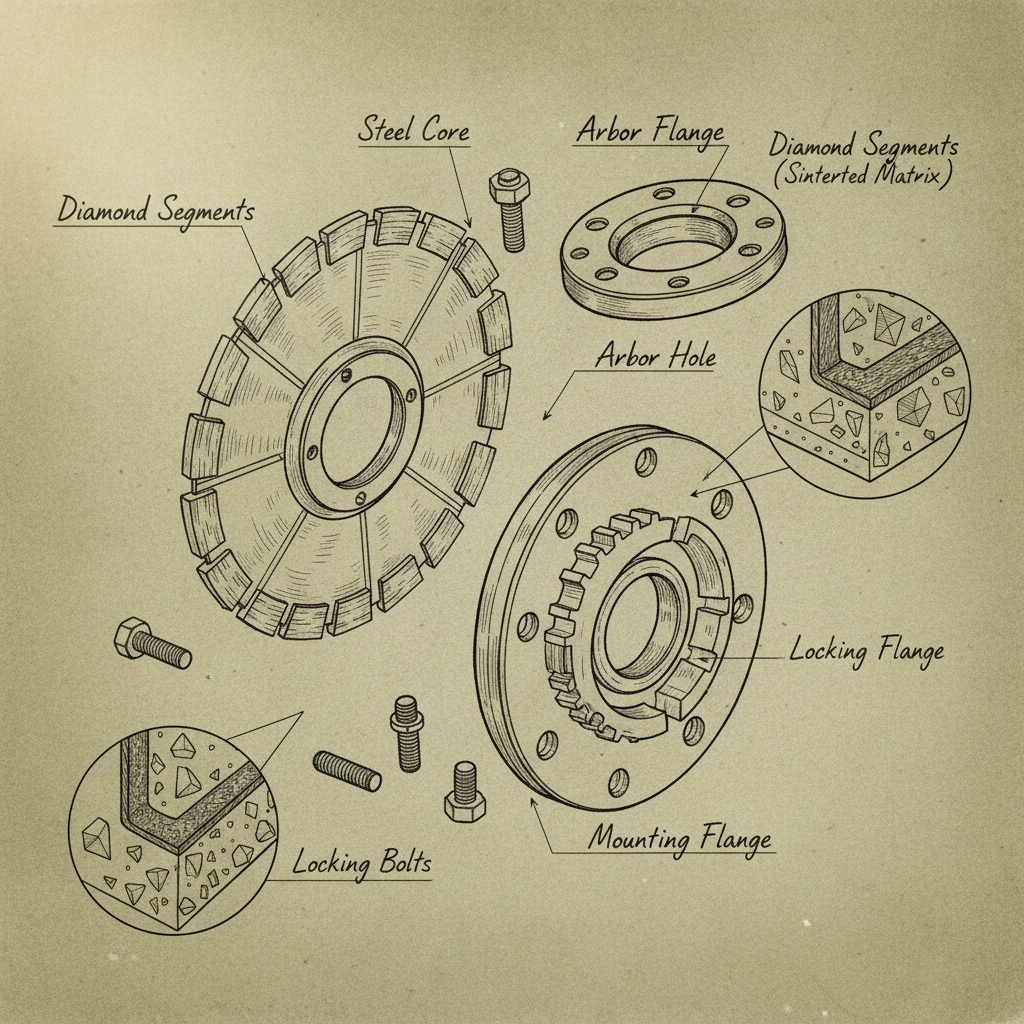
A diamond multi tool blade is a circular cutting tool featuring industrial diamonds bonded to a steel core using a proprietary matrix. This matrix, typically composed of metal powders and resins, plays a crucial role in holding the diamonds securely in place while allowing them to effectively abrade through a wide range of materials. This differs from traditional blades, which rely on friction and mechanical force to cut.
The "multi" aspect of the blade arises from the careful selection of diamond grit size, concentration, and the bonding matrix formulation. These elements are engineered to provide optimal cutting performance across various materials, from the hardness of tile and glass to the abrasiveness of concrete and the density of wood. A well-designed diamond multi tool blade essentially combines the functionality of several specialized blades into a single, versatile tool.
Its connection to modern industry and even humanitarian efforts is significant. In construction, it speeds up project timelines and reduces costs. In disaster relief, it can quickly cut through debris, aiding in rescue operations. The blade's efficiency and reliability make it an invaluable asset in diverse scenarios.
Core Components and Performance Factors
The performance of a diamond multi tool blade is dictated by several key components and factors. Firstly, the quality and type of diamond grit used are paramount. Industrial-grade diamonds are essential for providing the necessary hardness and abrasion resistance. Secondly, the bonding matrix is crucial; a well-formulated matrix ensures optimal diamond retention and exposes fresh cutting edges as the blade wears.
Other significant factors include the blade’s core material (typically high-carbon steel), its thickness, and the tooth geometry. Blade thickness influences stability and cutting depth, while tooth geometry impacts chip evacuation and cutting speed. Understanding these factors allows users to select the appropriate blade for their specific application.
Diamond Multi Tool Blade Performance Metrics
Applications Across Diverse Sectors
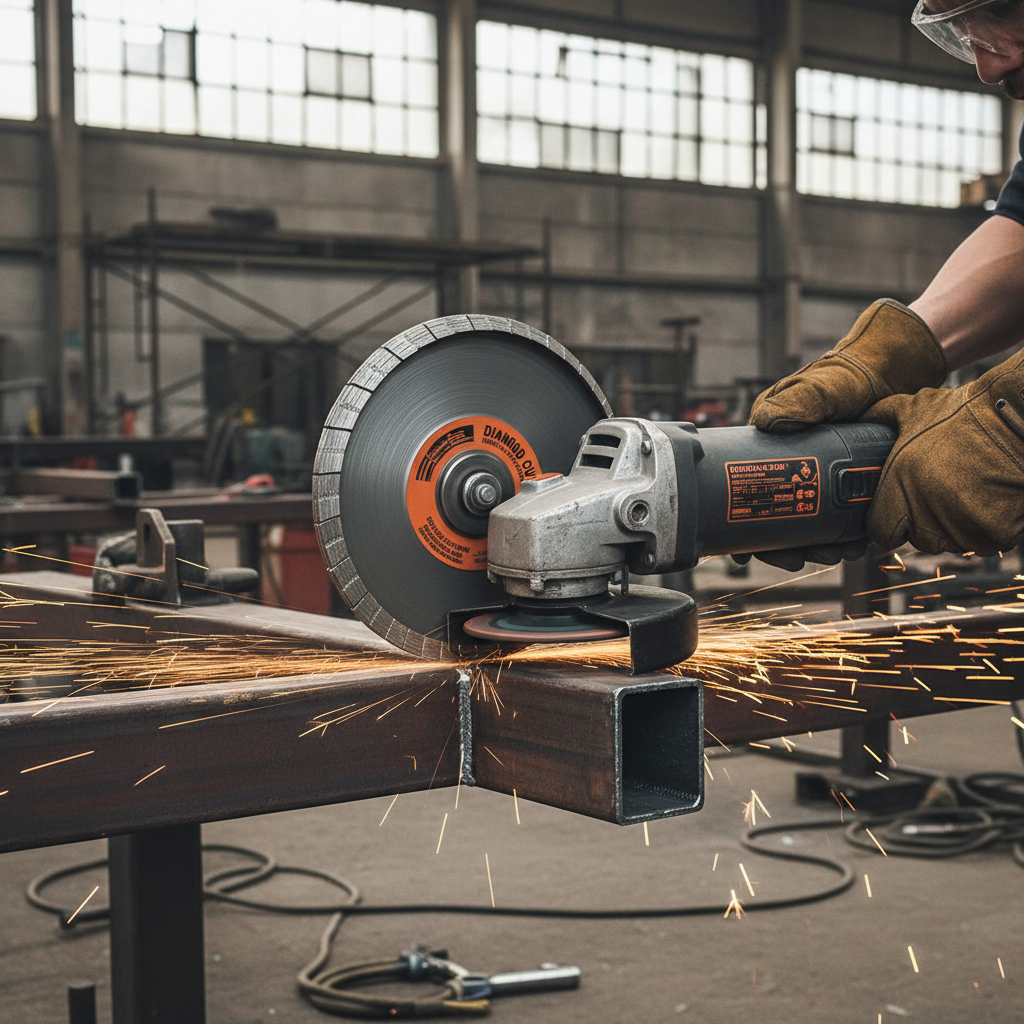
Diamond multi tool blades find applications in a remarkably broad range of sectors. In the construction industry, they are used for cutting concrete, brick, block, and pavers. Landscapers utilize them for cutting hardscaping materials like stone and tile. Automotive and metalworking shops rely on these blades for cutting steel, stainless steel, and aluminum.
Beyond these core applications, diamond multi tool blades are also employed in glass cutting, ceramic tile installation, and even in specialized applications like stone engraving. In post-disaster relief operations, their ability to quickly and efficiently cut through rubble and debris can be life-saving. Their versatility makes them indispensable in both professional and DIY settings.
Long-Term Benefits and Value Proposition
The long-term benefits of investing in a high-quality diamond multi tool blade extend far beyond initial cost savings. The blade's durability significantly reduces the frequency of replacements, lowering overall tooling expenses. Furthermore, the precision cutting capability minimizes material waste, leading to additional cost reductions and environmental benefits.
The blade’s versatility translates to increased efficiency and productivity. Professionals can tackle a wider range of projects with a single tool, reducing downtime and streamlining workflows. This increased efficiency ultimately contributes to higher profitability and customer satisfaction. The inherent safety features, such as reduced kickback and cleaner cuts, further enhance the value proposition.
Future Trends and Technological Advancements
Future trends in diamond multi tool blade technology are focused on enhancing blade performance, extending lifespan, and improving safety. Innovations in diamond grit coatings, such as plasma-enhanced coatings, are increasing diamond retention and cutting efficiency. Research is also underway to develop new bonding matrices that offer improved cooling and chip evacuation.
Furthermore, the integration of smart technologies, such as sensors and data analytics, is emerging. These technologies can monitor blade wear, provide real-time performance data, and predict maintenance needs, optimizing blade utilization and preventing premature failures. The development of laser-cut blades with optimized geometries is also expected to contribute to improved cutting precision and speed.
Sustainability will continue to drive innovation, with a focus on developing blades that require less energy to operate and generate less waste. The use of eco-friendly bonding materials and recycling programs for used blades will become increasingly prevalent.
Summary of Diamond Multi Tool Blade Challenges and Solutions
| Challenge |
Impact on Performance |
Proposed Solution |
Expected Outcome |
| Diamond Grit Washout |
Reduced cutting efficiency and blade lifespan |
Advanced bonding matrix formulations |
Improved diamond retention and extended blade life |
| Heat Buildup During Cutting |
Blade warping and reduced cutting speed |
Enhanced cooling channels and heat-dissipating materials |
Reduced blade temperature and improved cutting performance |
| Chip Evacuation Issues |
Clogging and reduced cutting efficiency |
Optimized tooth geometry and blade slot design |
Improved chip removal and smoother cutting action |
| Material Specific Performance |
Suboptimal cutting for certain materials |
Variable diamond grit size and matrix density |
Enhanced versatility and performance across various materials |
| Blade Vibration |
Reduced cutting accuracy and user fatigue |
Improved blade balancing and core stability |
Smoother cutting and reduced operator strain |
| Cost of High-Quality Blades |
Initial investment can be significant |
Focus on long-term cost savings through durability and reduced replacements |
Justified investment through extended lifespan and improved performance |
FAQS
A diamond multi tool blade is incredibly versatile and can effectively cut through a wide range of materials, including concrete, brick, stone, tile, glass, metal (steel, aluminum), wood, and plastic. The specific performance will vary slightly depending on the blade’s formulation and the material’s hardness, but it generally eliminates the need for multiple specialized blades. The key is the combination of industrial diamonds and a matrix designed for broad material compatibility.
The lifespan of a diamond multi tool blade depends heavily on the materials being cut, the frequency of use, and the quality of the blade. However, a high-quality blade, when properly maintained, can last significantly longer than traditional abrasive blades. Expect several months to even years of use with regular materials, while harder substances will cause faster wear. Regular inspection for diamond loss is crucial to determine when replacement is necessary.
Safety is paramount. Always wear appropriate personal protective equipment (PPE), including safety glasses, gloves, and a dust mask or respirator. Ensure the workpiece is securely clamped. Use the correct speed setting on your cutting tool. Be aware of potential kickback and maintain a firm grip. Read and understand the manufacturer’s instructions for both the blade and your cutting tool before use.
Consider the primary materials you'll be cutting. Blades designed for softer materials typically have a higher diamond concentration, while those for harder materials may have larger diamond grit. Blade thickness also matters; thicker blades are more stable for deeper cuts. Review the blade's specifications and ensure it is compatible with your cutting tool. If in doubt, consult a tool specialist for guidance.
Regular cleaning is essential. Remove any build-up of material from the blade surface after each use. Store the blade in a dry environment to prevent corrosion. Avoid dropping the blade or subjecting it to excessive impact. Some blades can be re-sharpened by professionals, extending their lifespan, but this depends on the blade’s construction and the extent of wear.
Yes, diamond multi tool blades typically have a higher initial cost compared to abrasive blades. However, this cost is often offset by their significantly longer lifespan, reduced downtime for blade changes, and improved cutting efficiency. The long-term cost of ownership is often lower with a diamond multi tool blade, making it a worthwhile investment for professionals and frequent DIYers. Plus, the versatility reduces the need to purchase multiple blade types.
Conclusion
The diamond multi tool blade represents a significant leap forward in cutting technology, offering unparalleled versatility, durability, and efficiency. Its ability to tackle a diverse range of materials with a single blade simplifies workflows, reduces costs, and enhances safety across numerous industries. From construction and landscaping to manufacturing and disaster relief, this innovative tool is transforming the way we approach material processing.
Looking ahead, continued advancements in diamond grit technology, bonding matrices, and smart features will further enhance the performance and longevity of these blades. Embracing this technology is not just about improving efficiency; it’s about investing in a more sustainable and productive future. To learn more about how a diamond multi tool blade can benefit your projects, visit our website today.







.png )