Mini diamond cutting discs are increasingly vital components in modern material processing, offering precision and efficiency across numerous industries. These compact tools, despite their size, deliver performance comparable to larger diamond blades, making them ideal for intricate cuts and demanding applications. Understanding their applications, benefits, and advancements is crucial for professionals seeking optimized cutting solutions.
The global demand for diamond cutting tools, including mini diamond cutting discs, is driven by growth in construction, automotive, electronics, and aerospace sectors. According to market research reports, the diamond tools market is projected to reach substantial figures in the coming years, fuelled by a need for high-quality, durable cutting solutions. This necessitates a deeper understanding of these tools’ capabilities.
Mini diamond cutting discs address challenges like material waste, cutting time, and precision in complex geometries. Their versatility makes them a go-to solution for tasks ranging from tile cutting and glass engraving to intricate metalwork and micro-machining, ensuring efficiency and minimizing costs.
The Significance of Mini Diamond Cutting Discs
Mini diamond cutting discs represent a significant advancement in precision cutting technology. Their compact size doesn’t compromise cutting power, making them indispensable in applications where maneuverability and intricate detailing are paramount. They’re gaining prominence as industries demand increased efficiency and accuracy.
The ability of these discs to cut through extremely hard materials – ceramics, glass, stone, and various metals – efficiently and cleanly sets them apart. This capability reduces material waste and minimizes the need for secondary finishing processes, directly impacting project costs and timelines.
Defining Mini Diamond Cutting Discs
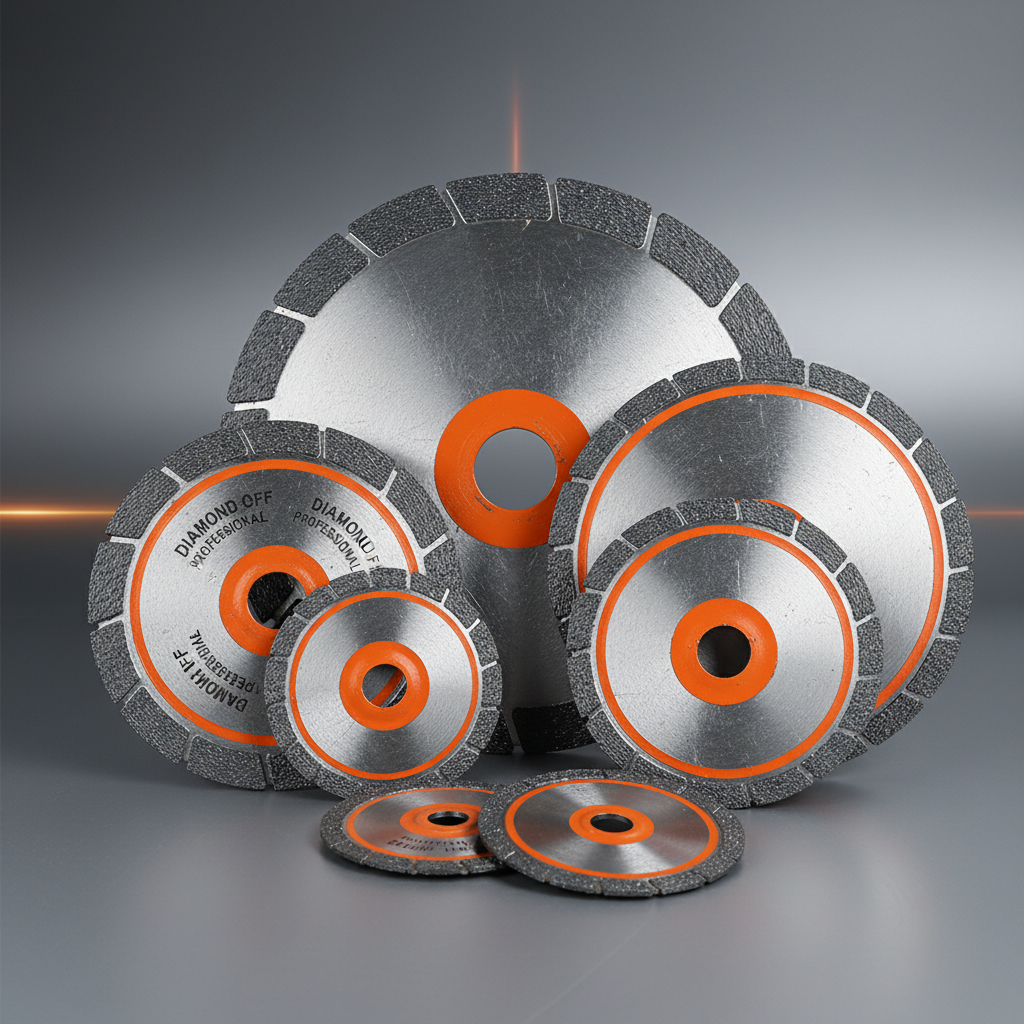
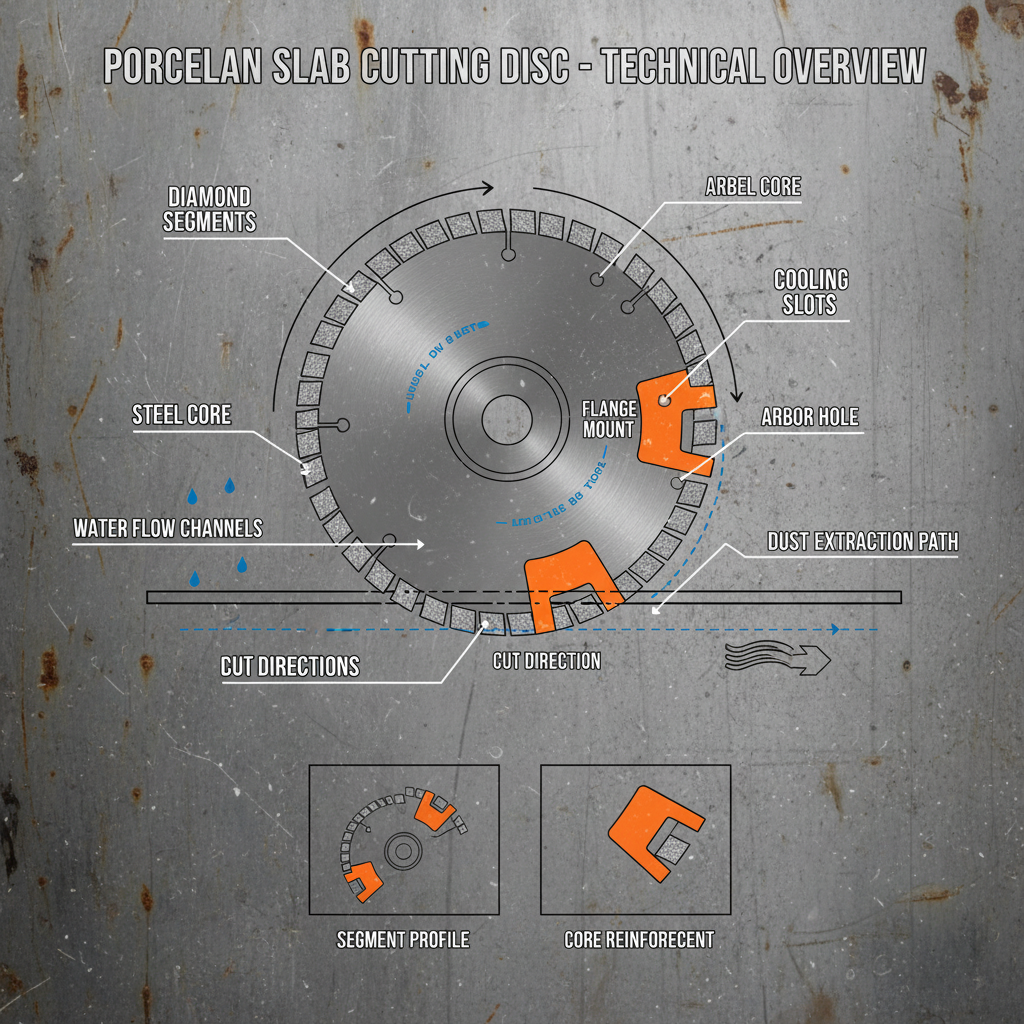
A mini diamond cutting disc is a circular cutting tool typically ranging in diameter from 20mm to 150mm, embedded with industrial-grade diamond abrasives. These abrasives are bonded to a metallic or resinoid matrix, providing both strength and cutting action. They are designed to be used with rotary tools, such as angle grinders, rotary tools, and micro saws.
Unlike traditional abrasive wheels, diamond cutting discs rely on the hardness of the diamond grit to shear or grind through material, rather than relying on fracturing the material with friction. This results in cleaner cuts, reduced chipping, and the ability to cut significantly harder materials.
Their connection to modern industry stems from the need for high-precision cutting in manufacturing, construction, and artistry. In humanitarian contexts, they can be used to quickly cut materials for emergency repairs and shelter construction, providing a reliable solution in challenging environments.
Core Attributes of Mini Diamond Cutting Discs
Durability: Mini diamond cutting discs are renowned for their long lifespan. The diamond grit wears slowly, allowing for extended use before requiring replacement. This translates to cost savings and reduced downtime.
Precision: The sharp, consistent cutting action of diamond grit ensures clean, accurate cuts. This is particularly important in applications requiring tight tolerances and intricate designs. This level of precision is often unmatched by other cutting methods.
Versatility: These discs can cut through a wide variety of materials, including ceramics, glass, marble, granite, concrete, steel, aluminum, and plastics. This broad material compatibility reduces the need for multiple cutting tools.
Cool Cutting Action: Unlike abrasive wheels that generate significant heat, diamond cutting discs cut “cool.” This minimizes the risk of material distortion, cracking, or damage, especially when working with heat-sensitive materials.
Applications Across Diverse Industries
Mini diamond cutting discs find extensive use in the construction industry for cutting tiles, bricks, concrete, and paving stones. Their precision is crucial for creating clean edges and intricate patterns. The automotive sector utilizes these discs for cutting exhaust pipes, modifying body panels, and working with reinforced materials.
In the electronics industry, they’re essential for cutting circuit boards, creating precise openings for components, and machining delicate materials. Aerospace benefits from their ability to cut through high-strength alloys and composites with minimal material loss. Furthermore, they are integral in the jewelry and glass artistry industries, where intricate and precise cuts are critical.
Globally, these discs are employed in infrastructure projects, renovation work, and even disaster relief operations where rapid cutting of building materials is required. From large-scale infrastructure projects in Europe and Asia to smaller-scale home improvement tasks in North America, the versatility of mini diamond cutting discs is highly valued.
Mini Diamond Cutting Disc Application Breakdown
Advantages and Long-Term Value Proposition
The primary advantage of using mini diamond cutting discs is the cost savings derived from their extended lifespan and reduced material waste. While the initial investment may be slightly higher than traditional abrasive wheels, the longevity and efficiency of diamond discs translate to lower overall costs.
Sustainability is another key benefit. Reduced material waste minimizes environmental impact, and the durability of the discs means fewer replacements, contributing to a lower carbon footprint. The precision they offer reduces the need for rework, further conserving resources and reducing energy consumption.
Future Trends and Innovation in Mini Diamond Cutting Discs
Ongoing research focuses on enhancing diamond matrix bonding techniques to further improve disc lifespan and cutting performance. Developments in nanotechnology are exploring the use of nano-diamond particles to create even finer cutting edges and increased precision.
The integration of smart sensors into mini diamond cutting discs is a future trend. These sensors can monitor cutting parameters like speed, pressure, and temperature, providing real-time data for optimizing performance and preventing overheating. This data can also be used for predictive maintenance, minimizing downtime.
Challenges and Optimizing Performance
A common challenge with mini diamond cutting discs is selecting the appropriate disc for the material being cut. Using the wrong grit or bond type can lead to premature wear or inefficient cutting. Proper disc selection requires understanding the material’s hardness and abrasive properties.
Maintaining proper cooling during cutting is crucial to prevent overheating and extend disc life. Using water or cutting fluids helps dissipate heat and flush away debris. Additionally, applying consistent and appropriate pressure during cutting ensures optimal performance.
Implementing a regular inspection schedule can identify wear and tear, allowing for timely replacement before performance degrades or safety is compromised. Proper storage and handling are also essential to prevent damage and maintain the disc’s integrity.
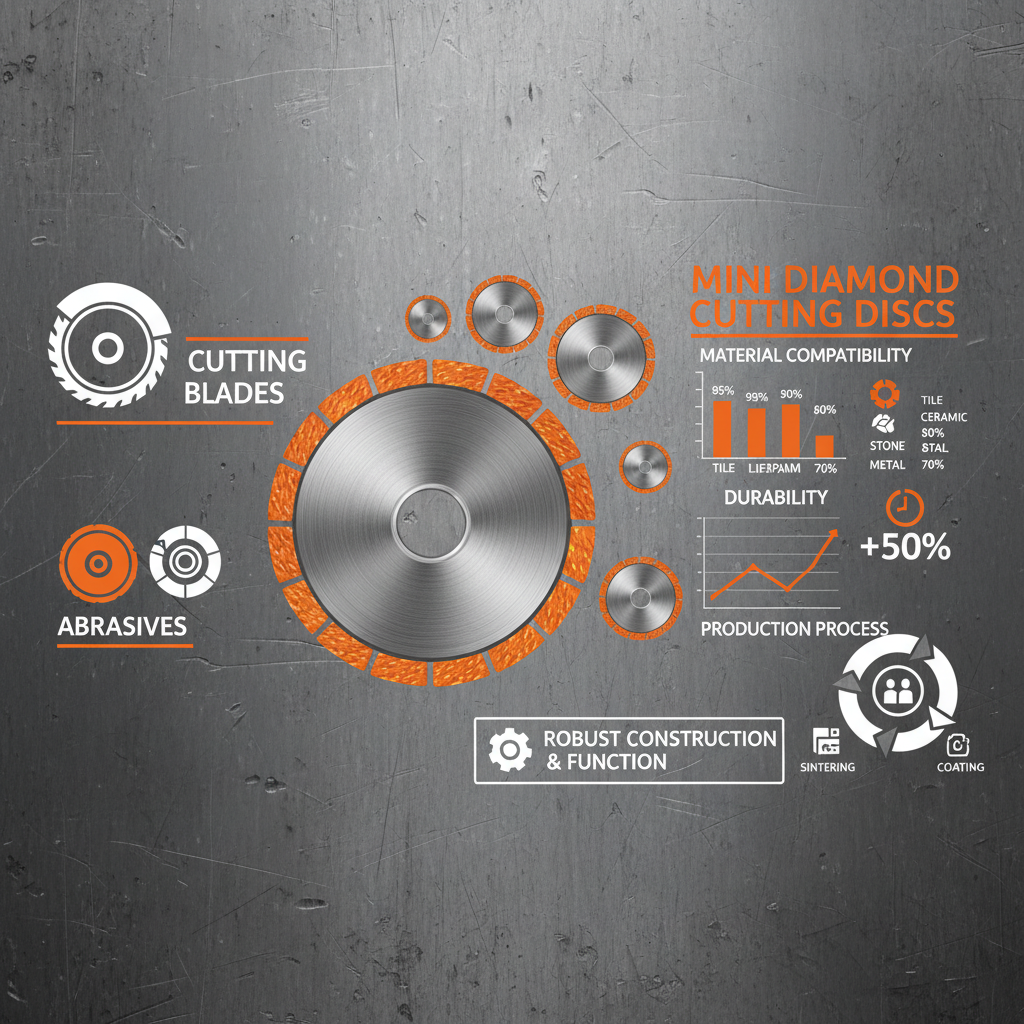
Summary of Key Performance Factors for Mini Diamond Cutting Discs
| Material Compatibility |
Grit Size & Bond Type |
Cooling & Lubrication |
Cutting Pressure & Speed |
| Score: 9/10 – Ability to cut a wide range of materials efficiently. |
Score: 8/10 – Selecting the correct grit and bond for the material. |
Score: 7/10 – Utilizing water or cutting fluids to dissipate heat. |
Score: 10/10 – Maintaining consistent pressure for clean cuts. |
| Impact: High – Broadens application versatility. |
Impact: Medium – Directly affects cutting efficiency and disc life. |
Impact: High – Prevents overheating and material distortion. |
Impact: High – Ensures precision and reduces chipping. |
| Optimization: Material-specific disc selection. |
Optimization: Consult manufacturer guidelines. |
Optimization: Consistent application during cutting. |
Optimization: Gradual pressure application. |
| Cost Implications: Moderate. |
Cost Implications: Low. |
Cost Implications: Low. |
Cost Implications: Minimal. |
| Safety Considerations: Material reactivity. |
Safety Considerations: Disc integrity. |
Safety Considerations: Fluid compatibility. |
Safety Considerations: Tool control. |
| Long-Term Benefits: Enhanced productivity. |
Long-Term Benefits: Extended disc lifespan. |
Long-Term Benefits: Reduced material waste. |
Long-Term Benefits: Improved cut quality. |
FAQS
Diamond cutting discs use diamond grit to shear through materials, resulting in cleaner cuts and the ability to cut harder materials. Abrasive wheels rely on friction to fracture the material, generating more heat and wear. Diamond discs last longer, and are more precise, but can have a higher initial cost.
Lower grit numbers (e.g., 30-60) are for aggressive cutting of soft materials like brick and tile. Medium grits (e.g., 80-120) are for harder materials like granite and concrete. Higher grits (e.g., 150+) are for polishing or finishing. Always consult the disc manufacturer's recommendations for specific materials.
Using water or cutting fluid is highly recommended, especially when cutting hard materials. It cools the disc, prevents overheating, reduces dust, and extends disc life. Some discs are designed for dry cutting, but always check the manufacturer's instructions.
Use the correct disc for the material, apply consistent pressure, avoid overheating, and use water or cutting fluid. Regularly inspect the disc for wear and replace it when the cutting performance diminishes significantly. Store the disc properly to prevent damage.
Always wear safety glasses, a dust mask, and hearing protection. Ensure the workpiece is securely clamped. Use a tool with a safety guard. Follow the tool manufacturer's safety instructions. Be aware of the spinning disc and potential kickback.
You can find high-quality mini diamond cutting discs from reputable tool suppliers and online retailers. Look for discs made with high-grade diamond grit and durable bonding materials. Consider the specific application and material you'll be cutting when selecting a disc.
Conclusion
Mini diamond cutting discs represent a significant advancement in precision cutting technology, offering durability, versatility, and cost-effectiveness across numerous industries. Their ability to efficiently cut through hard materials with minimal waste and reduced heat makes them invaluable for both professional tradespeople and DIY enthusiasts. Understanding their attributes and proper usage is essential for maximizing their performance and lifespan.
Looking ahead, continued innovation in diamond bonding, materials science, and smart sensor integration will further enhance the capabilities of these tools. By embracing these advancements and adhering to best practices, users can unlock the full potential of mini diamond cutting discs, driving efficiency, sustainability, and precision in their respective fields. Visit our website at mini diamond cutting disc for a comprehensive selection.








.png )