
Diamond cutting blades represent a critical component in modern material processing, impacting industries from construction and automotive to aerospace and even artistic endeavors. Their ability to precisely and efficiently cut through incredibly hard materials makes them indispensable for a vast array of applications. Understanding the nuances of these blades – their composition, manufacturing processes, and optimal uses – is essential for maximizing productivity, ensuring safety, and achieving superior results in various fields.
The global demand for diamond cutting blades is steadily increasing, driven by infrastructural development in emerging economies, advancements in manufacturing technologies, and a growing need for precision in specialized industries. The market, estimated at billions of dollars annually, reflects the significance of these tools in global supply chains. However, challenges remain in areas such as sustainability, cost optimization, and the development of blades capable of handling increasingly complex materials.
Investing in knowledge about diamond cutting blades translates directly into tangible benefits. From improved project timelines and reduced material waste to enhanced worker safety and the ability to tackle previously impossible tasks, a comprehensive understanding empowers professionals and businesses alike to thrive in a competitive landscape. The continued evolution of this technology promises even greater efficiency and innovation in the years to come.
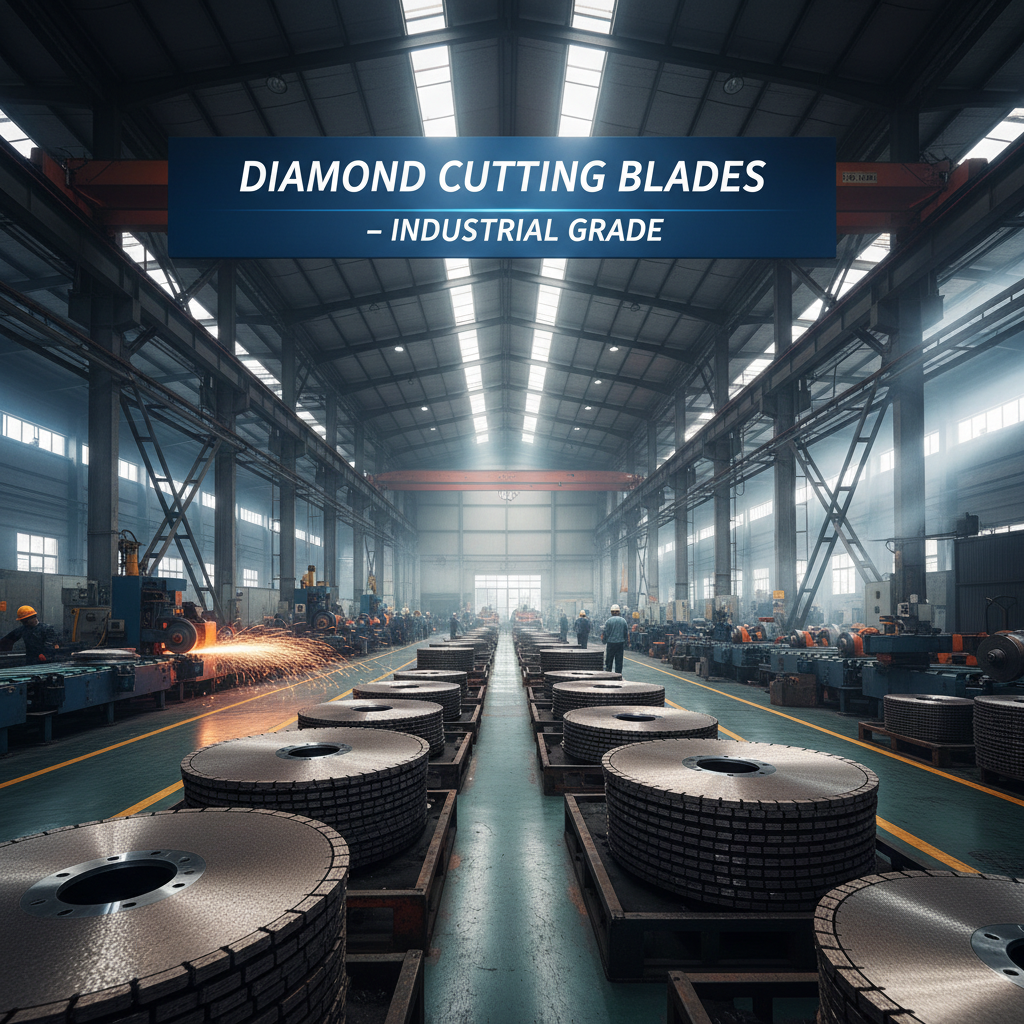

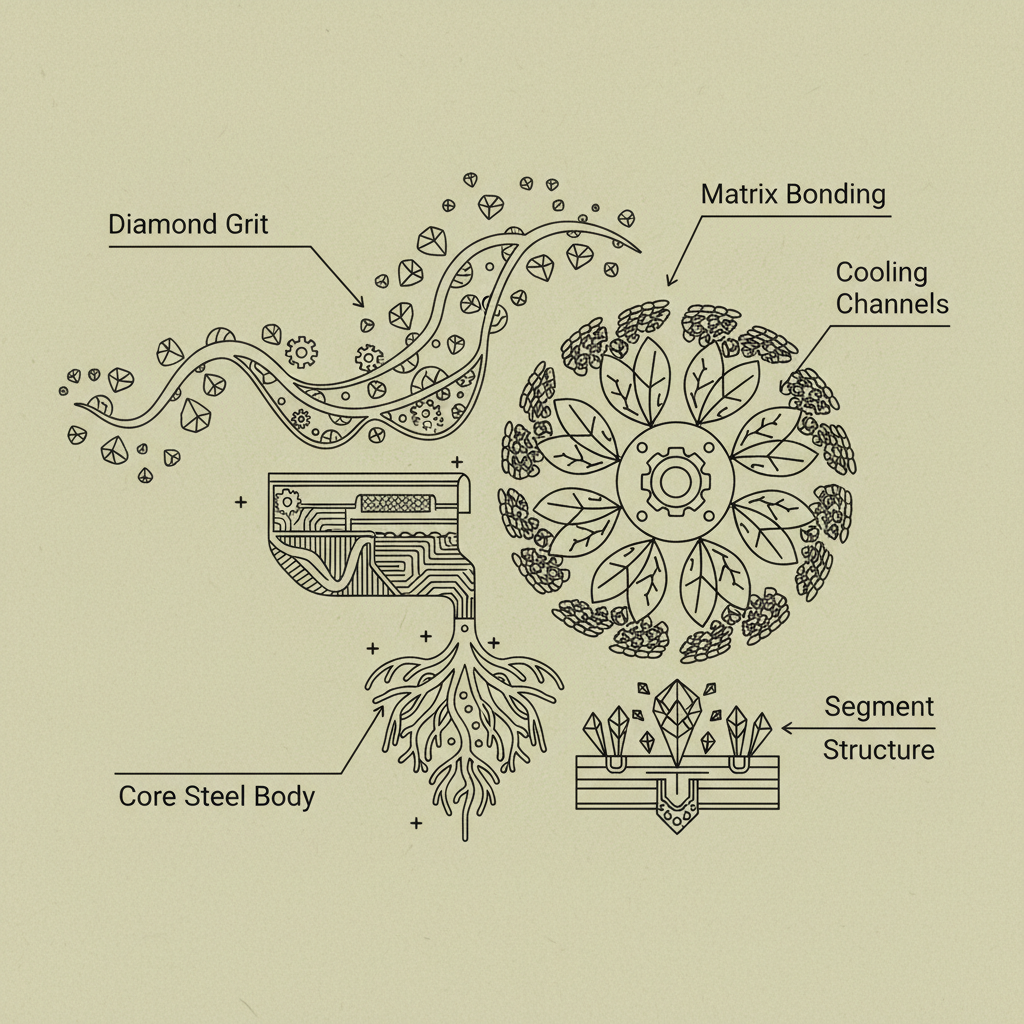
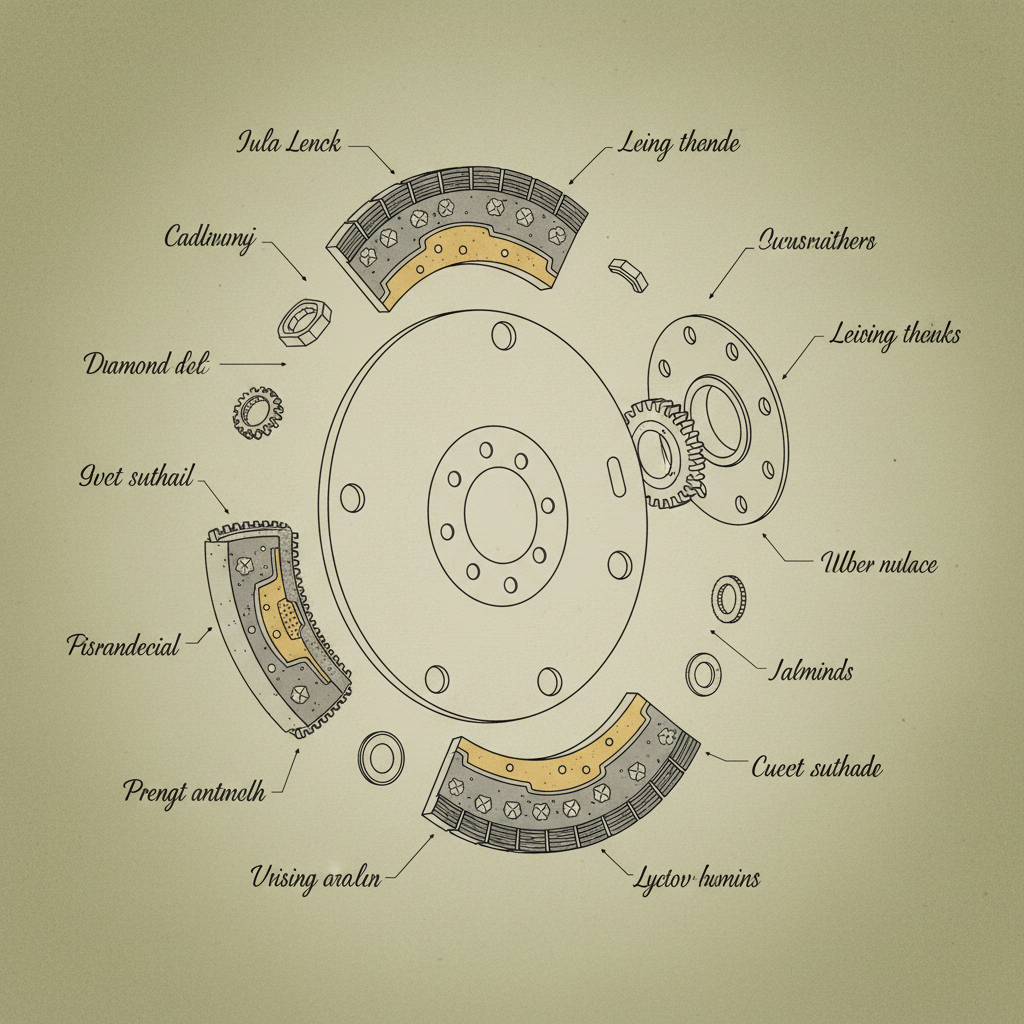
Diamond cutting blades are not simply tools; they are precision instruments designed to overcome the inherent hardness of various materials. These blades utilize industrial diamonds, either bonded to a metal matrix or embedded in a segmented core, to achieve clean, efficient cuts that would be impossible with conventional methods. Understanding the specific characteristics of different blade types is crucial for selecting the right tool for the job.
The widespread adoption of diamond cutting blades has revolutionized industries reliant on precise material separation. Their longevity, coupled with their ability to cut through materials like concrete, asphalt, tile, glass, and even certain metals, makes them a cost-effective and reliable solution. Continual advancements in diamond synthesis and blade manufacturing techniques are expanding their capabilities and pushing the boundaries of what’s achievable.
Diamond cutting blades are incredibly versatile and can efficiently cut through a wide range of materials, including concrete, asphalt, brick, stone, tile, glass, ceramics, and certain metals. The specific type of blade and diamond grit will determine its optimal performance on each material. Understanding the material’s hardness and abrasiveness is key to selecting the appropriate blade.
Selecting the right blade depends on the material you’re cutting, the type of saw you’re using, and the desired cutting speed and finish. Consider the blade’s diameter, thickness, segment height, and diamond grit. Harder materials require blades with more aggressive diamond grits, while softer materials benefit from finer grits for a smoother cut. Ensure the blade is compatible with your saw’s power and RPM.
The lifespan of a diamond cutting blade varies significantly based on usage, material cut, and blade quality. With proper care and maintenance, a high-quality blade can last for hundreds of hours of cutting. Signs of wear include reduced cutting speed, increased vibration, and visible diamond loss. Regular inspection and occasional dressing can extend the blade’s life.
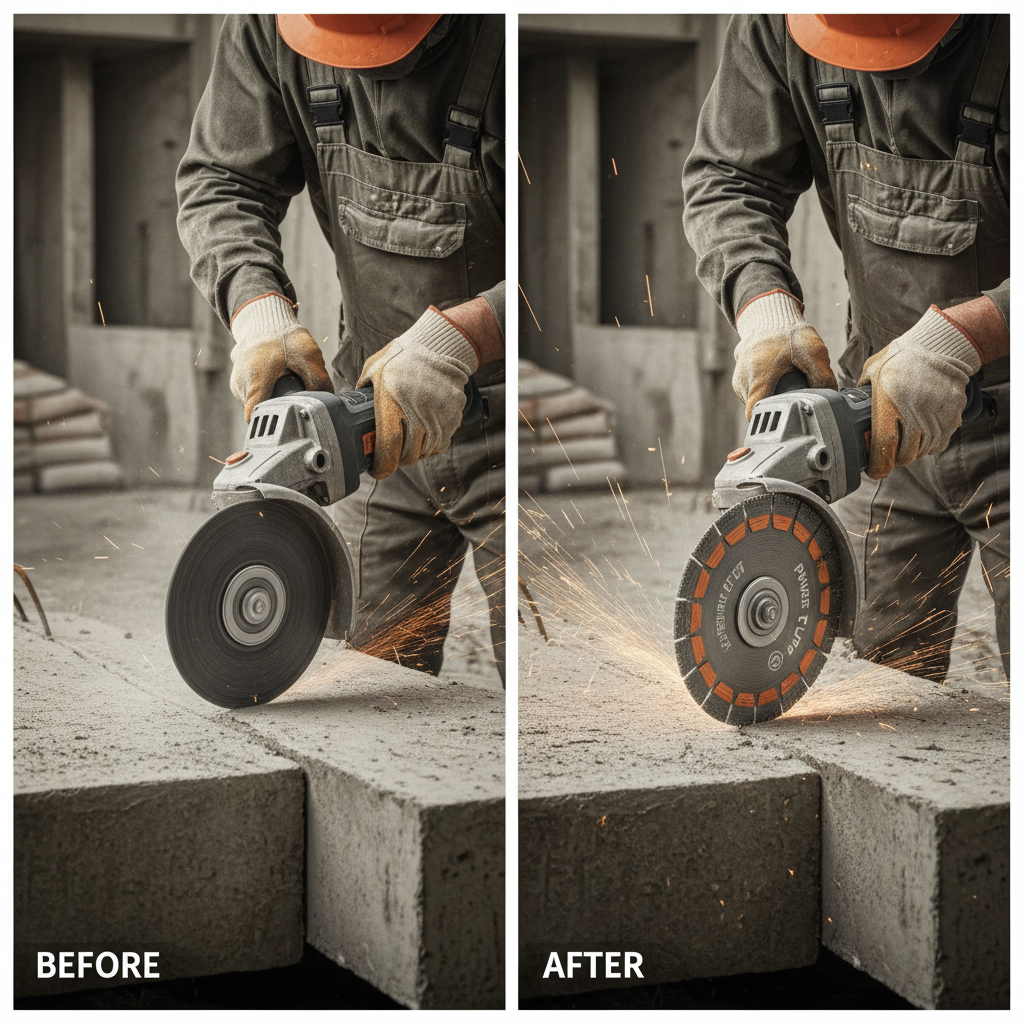
Safety is paramount when using diamond cutting blades. Always wear appropriate personal protective equipment (PPE), including safety glasses, gloves, and a dust mask or respirator. Ensure the workpiece is securely clamped, and follow the saw manufacturer’s instructions. Use water cooling when possible to minimize dust and heat. Never force the blade, and allow it to cut at its own pace.
Proper maintenance extends blade life and maintains cutting performance. Clean the blade after each use to remove debris and buildup. Store blades in a dry, protected environment to prevent corrosion. Consider using a blade dressing tool to expose fresh diamonds and restore cutting efficiency. Avoid subjecting blades to excessive impact or heat.
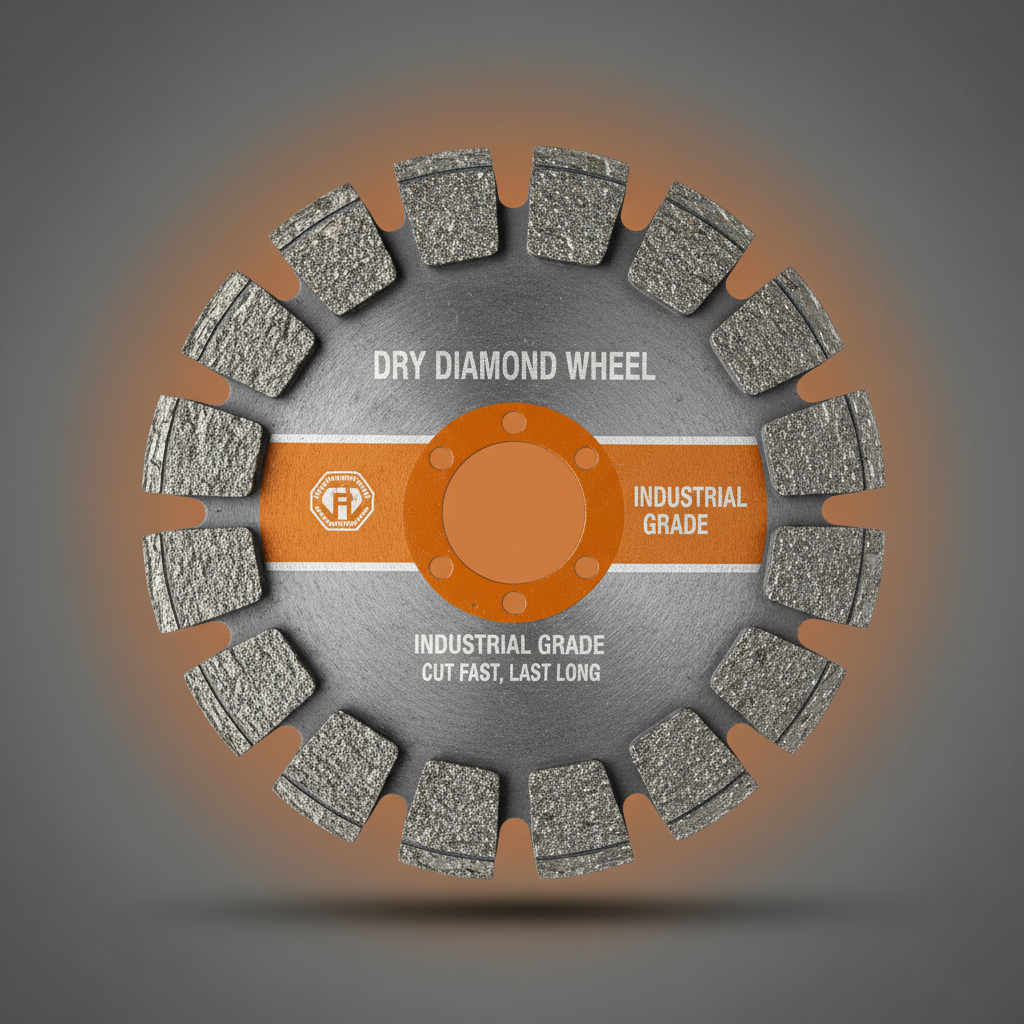
Dry diamond cutting blades are designed for use without water, relying on ventilation to remove dust and heat. Wet diamond cutting blades require a constant flow of water to cool the blade, suppress dust, and lubricate the cutting process. Wet cutting generally results in cleaner cuts, longer blade life, and reduced dust exposure. Choose the appropriate blade based on your saw’s capabilities and the material being cut.
Diamond cutting blades represent a cornerstone of modern material processing, enabling precision, efficiency, and safety across a multitude of industries. From construction and infrastructure to manufacturing and art, their versatility and durability make them indispensable tools for tackling challenging cutting tasks. Understanding the core components, applications, and future trends surrounding these blades is crucial for professionals seeking to optimize their operations and achieve superior results.
Looking ahead, continued innovation in diamond synthesis, blade design, and automation will further enhance the capabilities of diamond cutting blades, driving down costs, improving sustainability, and expanding their applications. Embracing these advancements and prioritizing proper maintenance and safety practices will ensure that diamond cutting blades remain at the forefront of material processing technology for years to come.



Address
No.30 Gaoying Road ,Chang'an District,Shijiazhuang,Hebei Province
Business Hours
Mon to Saturday : 8.00 am - 7.00 pm
Sunday & Holidays : Closed




.png )