
Diamond blade for grinder technology has become indispensable across a vast spectrum of industries, from construction and masonry to metal fabrication and even artistic endeavors. These specialized cutting tools, characterized by their embedded industrial diamonds, deliver unmatched precision, efficiency, and durability compared to traditional abrasive wheels. The global demand for diamond blade for grinder is steadily increasing, driven by advancements in material science and a growing need for high-performance cutting solutions in diverse applications. This demand necessitates a comprehensive understanding of their capabilities, applications, and future trends.
The importance of diamond blade for grinder extends beyond simply cutting materials; it significantly impacts project timelines, material waste reduction, and overall cost-effectiveness. Properly selected and maintained diamond blades translate into faster cutting speeds, cleaner cuts, and extended tool life. This is crucial in competitive industries where efficiency is paramount. Furthermore, advancements in diamond matrix bonding and blade geometry continue to push the boundaries of what’s achievable, enabling the cutting of increasingly hard and abrasive materials with greater ease and precision.
Understanding the nuances of diamond blade for grinder – from diamond grit size and concentration to blade thickness and bore size – is essential for professionals and hobbyists alike. Choosing the right blade for a specific application can dramatically improve results and prevent premature wear or even blade failure. This guide aims to provide a detailed overview of diamond blade for grinder, empowering you to make informed decisions and maximize your cutting performance.
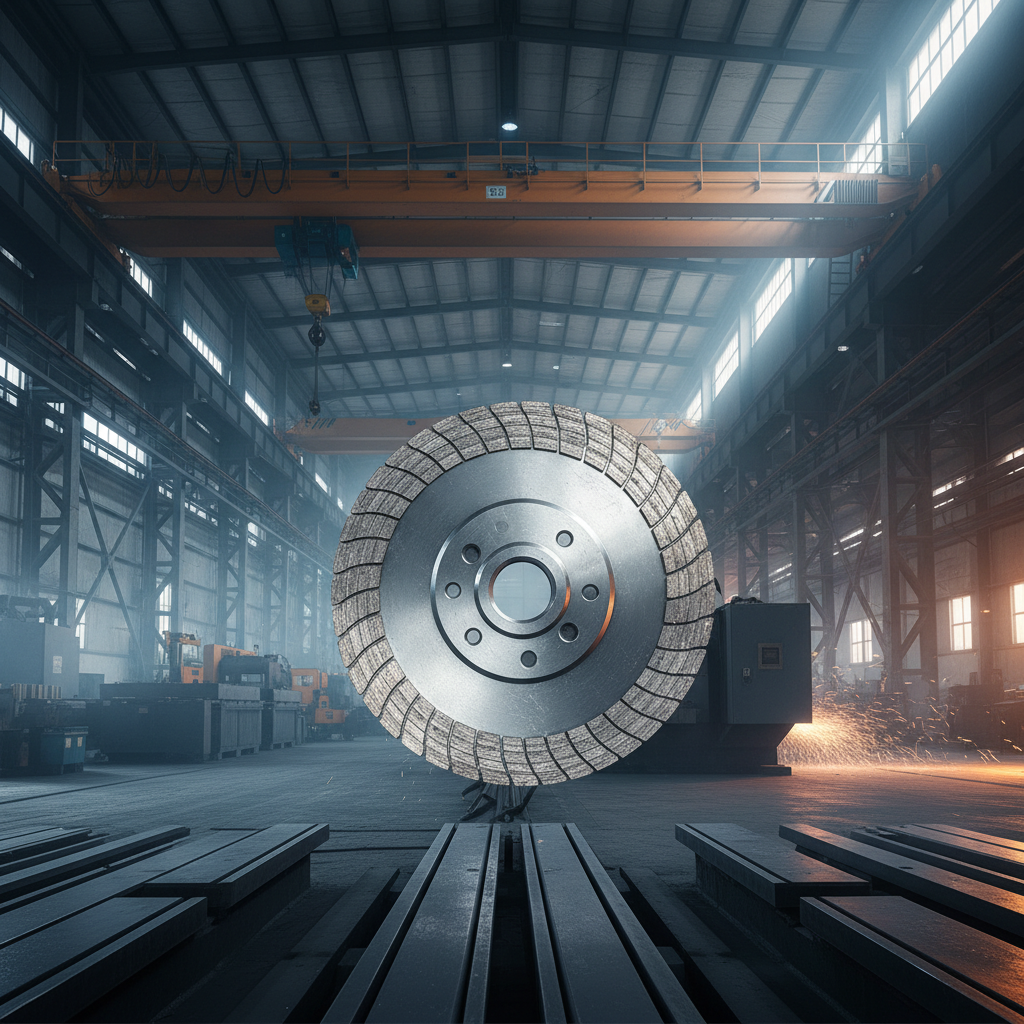
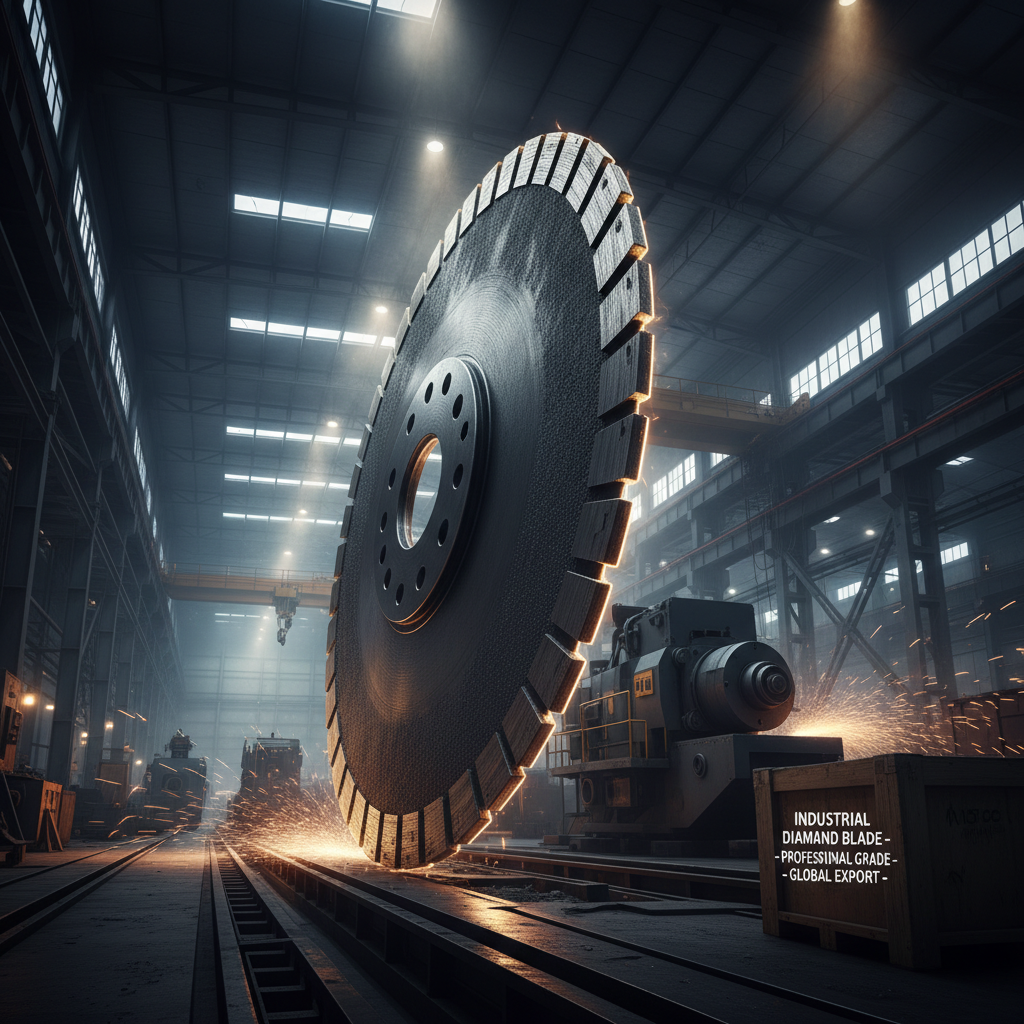
At the heart of every diamond blade for grinder lies the synergistic relationship between the diamond crystals and the metal matrix that binds them. The diamond crystals, renowned for their exceptional hardness, are responsible for the cutting action, while the matrix provides support and continually exposes fresh diamonds as they wear. The quality of both the diamonds and the matrix significantly impacts blade performance and longevity. Understanding the interplay between these elements is fundamental to selecting the optimal blade for a specific task.
The manufacturing process of a diamond blade for grinder is a precision operation. The diamonds are meticulously embedded within a metal alloy, typically using techniques like sintering or brazing. The density and distribution of diamonds, along with the alloy composition, are carefully controlled to achieve the desired cutting characteristics. This meticulous process ensures that each diamond blade for grinder delivers consistent, high-quality results across a wide range of materials and applications.
The lifespan of a diamond blade for grinder varies significantly depending on the material being cut, the cutting method (wet vs. dry), and the quality of the blade. A high-quality blade cutting softer materials like asphalt may last for several hours of continuous use, while a blade cutting hard concrete might only last for a couple of hours. Regular inspection and proper maintenance can maximize its lifespan.
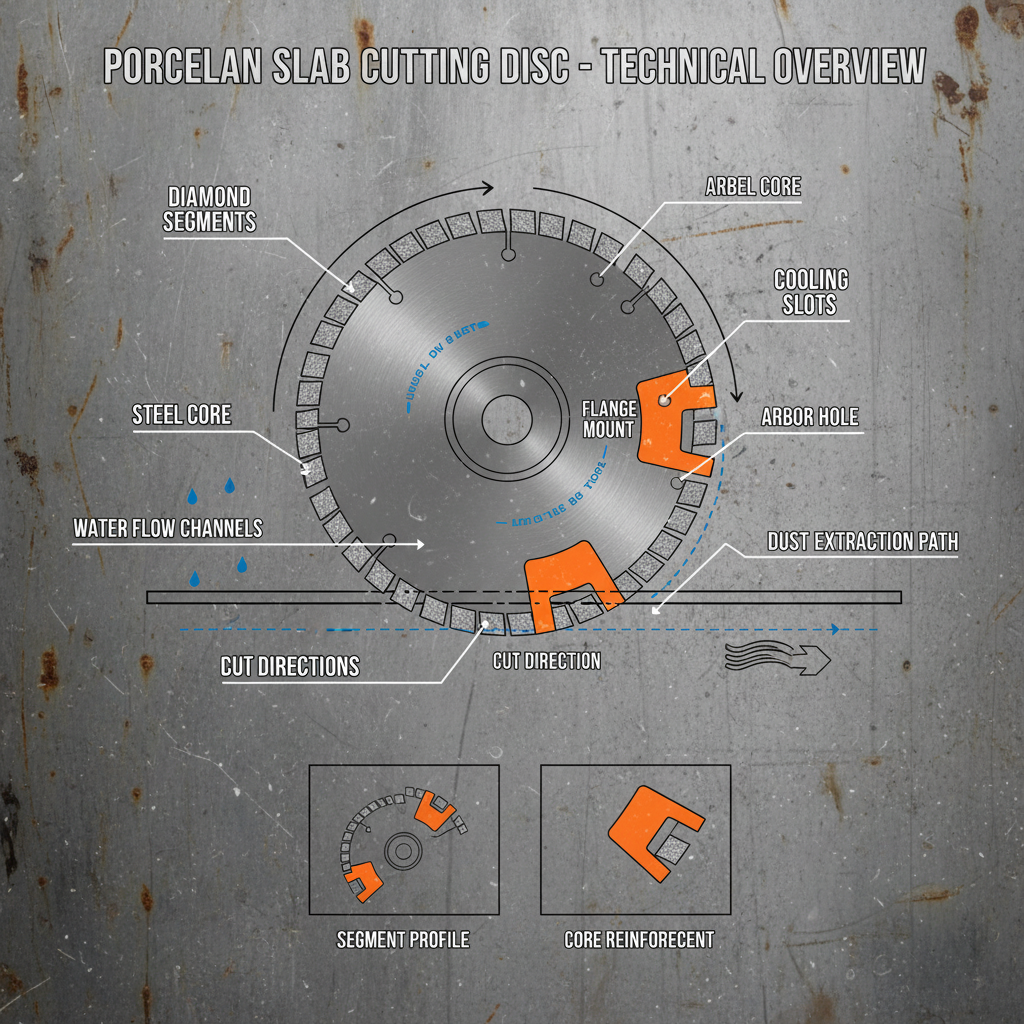
Cutting wet with a diamond blade for grinder is generally preferred as the water cools the blade, reducing heat buildup and extending its lifespan. Water also suppresses dust, improving visibility and creating a cleaner work environment. However, some blades are specifically designed for dry cutting and perform well without water. Always check the blade’s specifications before use.
Coarse grit blades are ideal for fast cutting of softer materials, while fine grit blades are better for smoother cuts on harder materials. Medium grit blades offer a balance between speed and finish. Consider the material's hardness and the desired quality of the cut when selecting the appropriate grit size. For example, cutting concrete requires a coarser grit, while cutting tile demands a finer grit.
Always wear appropriate personal protective equipment (PPE), including safety glasses, a dust mask or respirator, and gloves. Ensure the workpiece is securely clamped. Never exceed the blade’s maximum RPM. Use a proper water supply when wet cutting. Regularly inspect the blade for damage and replace it if necessary. Follow all manufacturer’s instructions and safety guidelines.
While technically possible, resharpening diamond blade for grinder is often not cost-effective. The process is complex and requires specialized equipment. By the time the blade is resharpened, it may be more economical to replace it with a new one. However, some high-end blades can be re-segmented, extending their usable life.
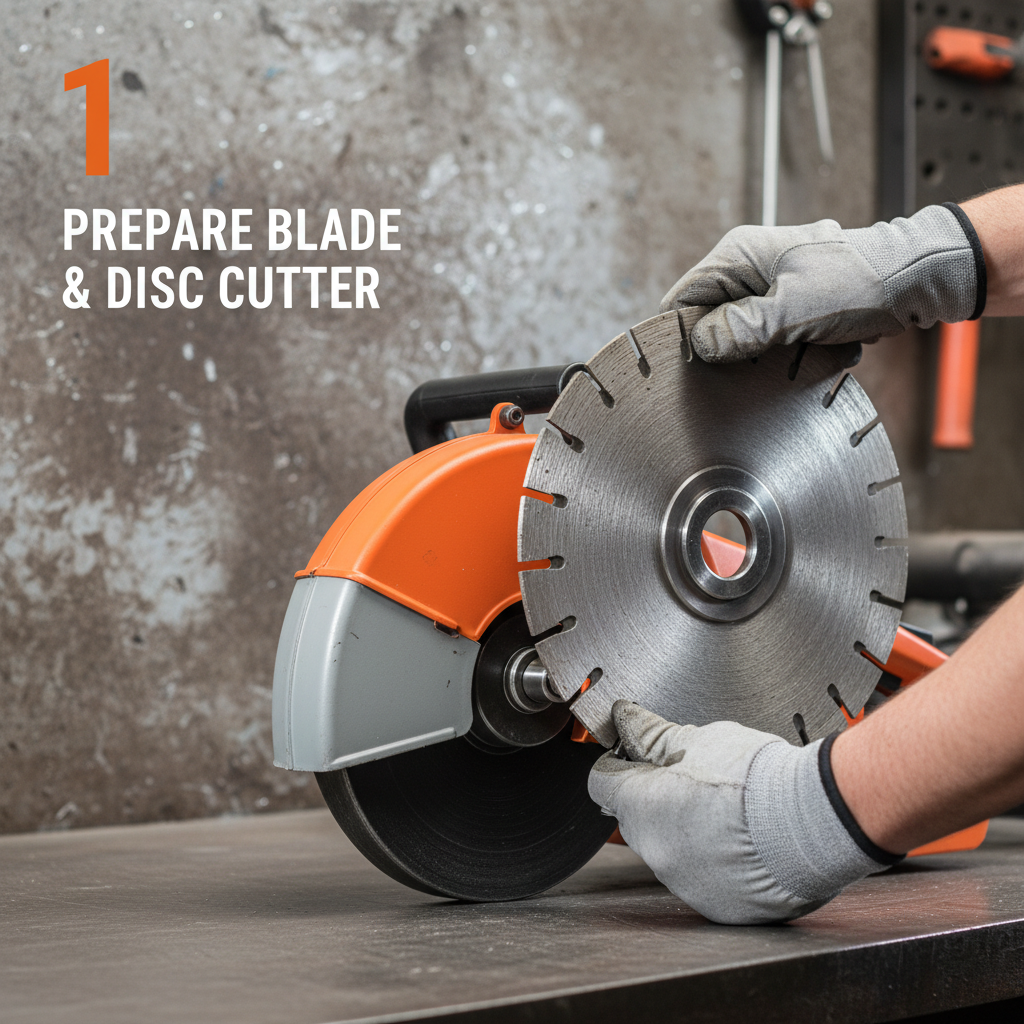
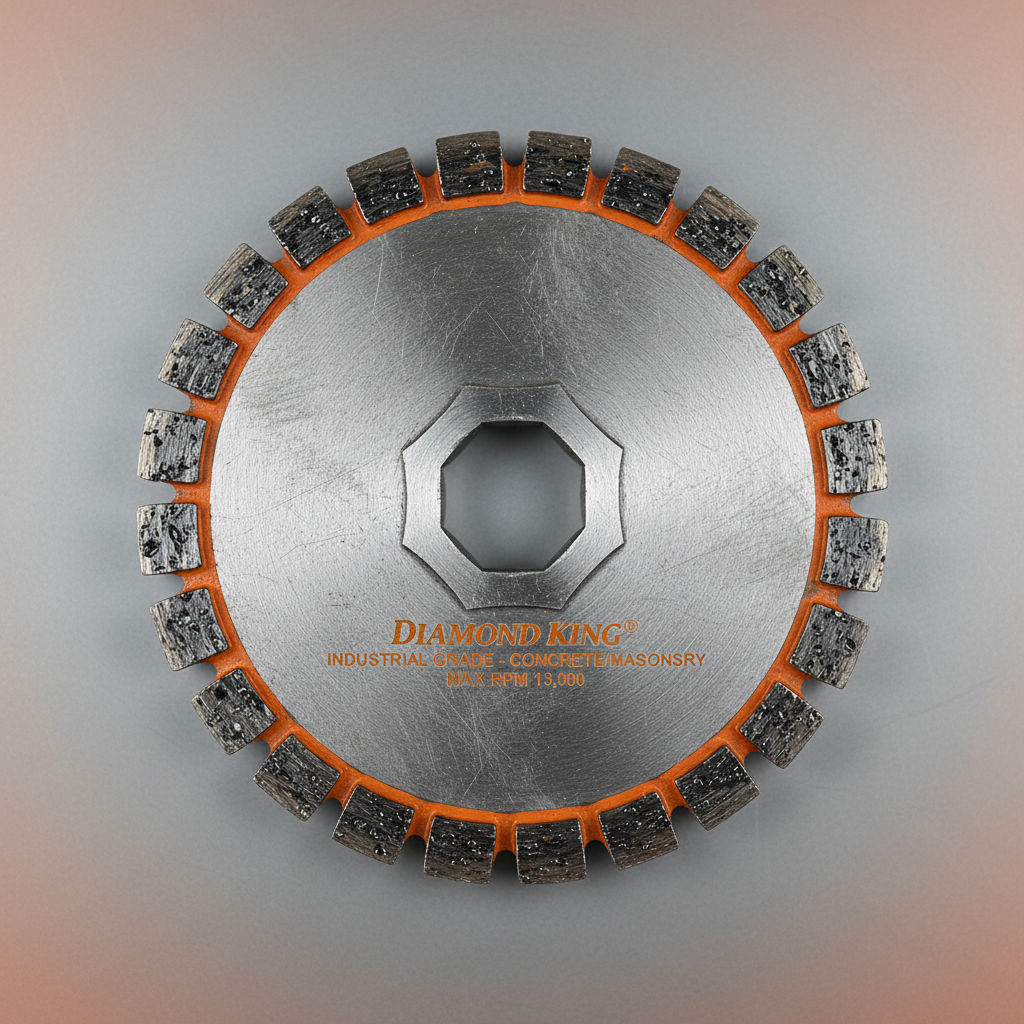
Segments are the portions of the blade that contain the diamond grit. These segments are bonded to the steel core. As the blade cuts, the segments wear down, exposing fresh diamonds. Different segment designs are optimized for different materials and cutting applications, impacting the blade's performance and lifespan. Inspecting the segments can tell you about blade wear and when it is time to replace it.
In conclusion, diamond blade for grinder technology represents a cornerstone of modern cutting applications, offering unparalleled performance, durability, and versatility. From construction and landscaping to manufacturing and specialized industries, these blades are essential tools for professionals and hobbyists alike. A thorough understanding of blade types, performance indicators, and future trends is critical for maximizing efficiency and achieving optimal results.
Looking ahead, continued innovation in diamond matrix bonding, automated cutting systems, and sustainable materials will further enhance the capabilities of diamond blade for grinder. Investing in high-quality blades and adhering to proper safety practices will not only improve project outcomes but also contribute to a safer and more environmentally responsible work environment. Visit our website at mydiamondblade.com to explore our extensive selection of diamond blades and find the perfect solution for your needs.



Address
No.30 Gaoying Road ,Chang'an District,Shijiazhuang,Hebei Province
Business Hours
Mon to Saturday : 8.00 am - 7.00 pm
Sunday & Holidays : Closed



.png )