You know, I’ve been running around construction sites all year, breathing in dust and dealing with materials. Lately, everyone’s talking about these new composite blades… they’re supposed to be the next big thing. To be honest, I was skeptical at first. Another “revolutionary” product, right? But I’ve actually seen them perform, and they're… different. Different good, mostly.
It's a tricky business, diamond blades. You think you've got a design that'll cut through anything, then you get to a site with rebar-filled concrete and… well, let’s just say things don’t always go according to plan. Have you noticed how many manufacturers claim “superior segment bonding”? It’s always superior, isn’t it? But the real test isn't in the lab; it’s when old man Henderson is wrestling with a stubborn cut at 6 AM.
We’re moving away from the really basic steel cores, thankfully. Now it’s mostly these expanding polymer matrices, sometimes with a bit of carbon fiber mixed in. I encountered this at a factory in Suzhou last time - the smell of the resin was… potent, let’s put it that way. You can feel the difference too, they’re lighter, less vibration. That’s a big win for the guys on the ground. But lighter doesn't always mean better. You need that weight sometimes, for stability.
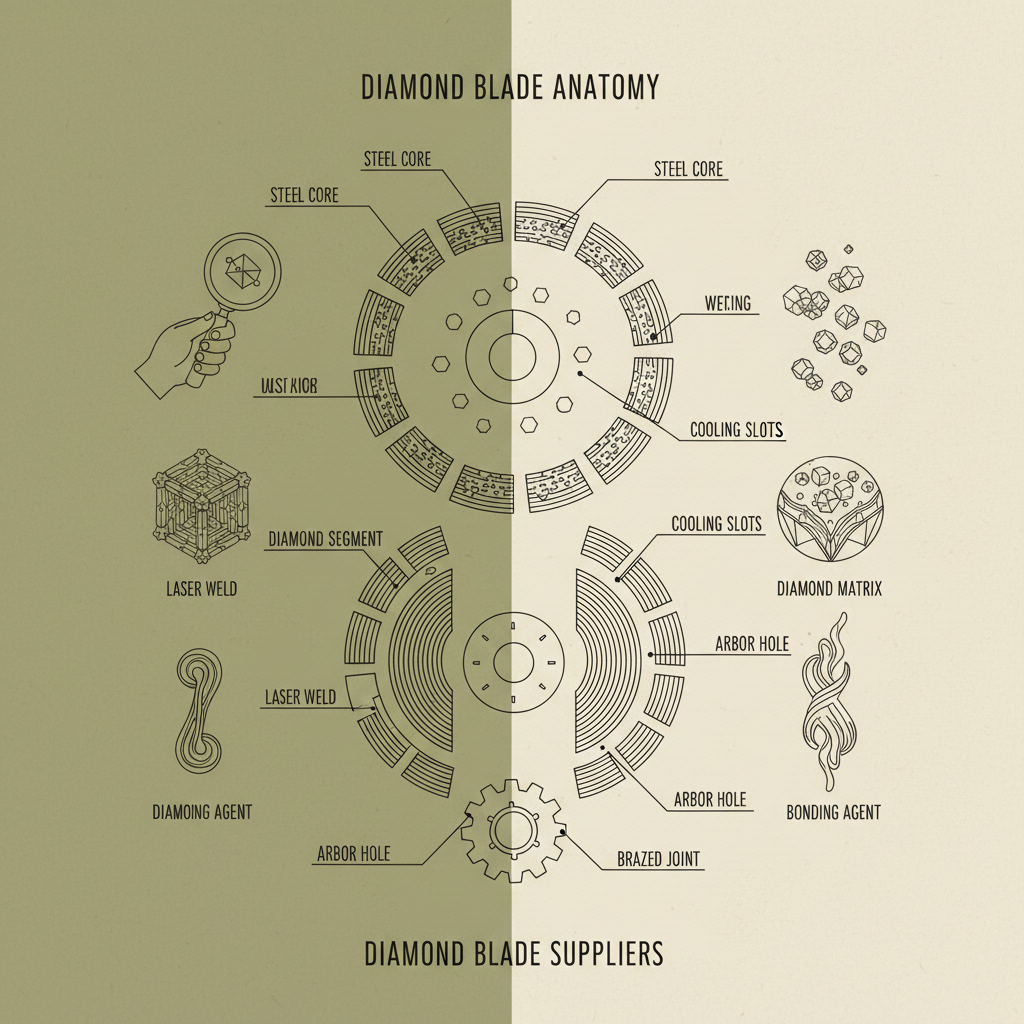
Strangely, everyone's obsessed with thinner kerfs these days. Faster cuts, they say. But thinner kerfs mean less steel, less support, and a blade that’s more prone to warping. It's a trade-off, and a lot of companies aren't being upfront about it. They push the marketing hype, but they don’t tell you it'll wear out faster. Also, these segmented blades… people are going crazy for them, trying to maximize diamond exposure. But if the segments aren't properly bonded, you're looking at a disaster. I’ve seen blades literally explode on the job site. Not fun.
Honestly, the biggest trend is just… demand. Construction's booming in a lot of places, so everyone wants blades, now. That puts a strain on the supply chain and leads to shortcuts. And those shortcuts almost always end up costing someone.
Let's talk materials. The diamonds themselves, obviously, that’s key. Synthetic diamonds are the standard now, mostly because natural diamonds are… well, expensive and increasingly hard to source consistently. The grit size varies, depending on what you're cutting, but you want consistent quality. The bonding matrix is where things get interesting. They used to just use brass, but that was terrible for heat dissipation. Now it’s mostly these metal alloys – copper, tin, zinc, a little bit of silver sometimes, depending on the manufacturer. It’s a closely guarded secret, the exact formula.
I’ve been looking closely at the steel cores. The high-quality stuff has this… springiness to it. You can tap it and it rings. The cheap stuff just kind of thuds. That springiness is important for absorbing vibration and preventing cracking. And don’t even get me started on the different grades of diamond grit. It’s a rabbit hole.
They're even experimenting with nano-coatings to reduce friction. I saw a demo of that at a trade show, looked impressive, but I'm still waiting to see it translate to real-world performance. Anyway, I think the biggest thing is choosing the right matrix for the job. Some are harder, for cutting harder materials. Others are softer, for less aggressive cutting.
Look, those lab tests are fine, but they don't tell you anything about what happens when you’re cutting reinforced concrete in 90-degree heat. You need to see how it holds up to abuse. I test blades by letting the guys on the crew use them for a full day, pushing them to their limits. I watch how quickly they cut, how much dust they produce, and most importantly, how long they last before needing to be re-sharpened.
Another good test is to try cutting different materials back-to-back. Brick, concrete, asphalt, tile… if a blade can handle that without significant performance drop-off, you’re onto something. I once spent a week testing blades on a demolition project in Detroit. Let me tell you, that concrete was tough. It separated the wheat from the chaff, that's for sure.
And forget about clean cuts. We're looking for durability and speed, first and foremost. A perfectly clean cut is nice, but it's not worth sacrificing performance for. Later... Forget it, I won’t mention the time I saw a blade shatter during a live demo. It was embarrassing for everyone involved.
This is where things get interesting. Manufacturers think everyone uses blades in these perfectly controlled environments, with the right amount of water and pressure. But that’s not reality. Most guys are just trying to get the job done as quickly as possible, and they don't always follow the instructions. They’ll dry cut when they shouldn’t, they’ll push the blade too hard, they’ll let it overheat.
And they're rough on equipment. Let’s be real. They drop them, they kick them, they leave them lying in the mud. That's why you need a blade that can take a beating. You’d be surprised how many blades fail because of simple mishandling.
The advantages are obvious – speed, durability, versatility. A good blade will save you time and money in the long run. But they’re not perfect. They’re expensive, for one. And they’re dangerous. You need to respect them. Proper safety gear is non-negotiable.
Customization is becoming more common. I had a guy last year who needed a blade specifically for cutting fiber cement siding. Standard blades just chewed it up. We worked with a manufacturer to create a blade with a different diamond matrix and segment configuration, and it solved his problem. It wasn't cheap, but it saved him a ton of time and frustration. You can change the arbor size, the segment height, even the diamond grit. The options are pretty endless, if you know what you’re looking for.
Last month, that small boss in Shenzhen who makes smart home devices insisted on changing the interface to for their new cutting machine. He thought it was more modern, more convenient. The result? He had to redesign the entire power supply, and it added weeks to the production schedule. He came to me, practically begging for a solution. He just didn’t think through the implications of changing a seemingly minor detail.
It’s the same with diamond blades. People think they can just swap in any blade and it’ll work. But you need to consider the machine, the material, the environment. It’s all interconnected. That guy learned a hard lesson, and it cost him a lot of money.
Anyway, he finally went back to the standard interface. Lesson learned.
| Blade Type | Cutting Speed (1-10) | Durability (1-10) | Cost (USD) |
|---|---|---|---|
| Continuous Rim | 7 | 8 | $30 |
| Segmented Rim | 9 | 6 | $45 |
| Turbo | 8 | 7 | $50 |
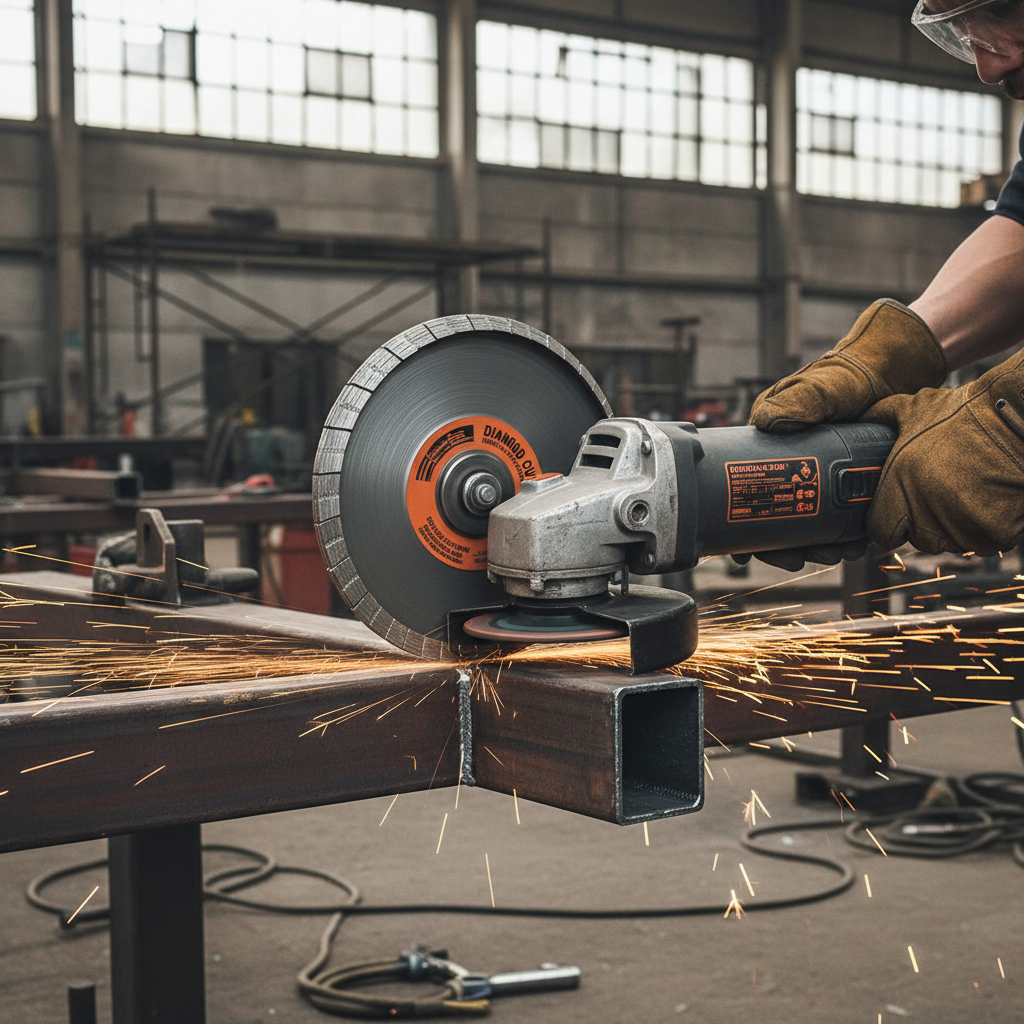
| Diamond Cup Wheel | 6 | 9 | $60 |
| Core Bit | 5 | 5 | $80 |
| Angled Blade | 7 | 6 | $40 |
You want to keep them dry and protected from impact. Ideally, in their original packaging, or a dedicated blade rack. Moisture can cause corrosion, and dropping them, well, that’s just asking for trouble. Especially the thinner blades – they’re fragile. A lot of guys just toss them in a toolbox, but that’s a recipe for disaster.
That’s a good question. You’ll notice it taking longer to cut, producing more dust, and generally just feeling sluggish. Also, if the segments start to become loose or chipped, it’s time to get a new one. Don't push it. A failing blade is a dangerous blade. And it’ll end up costing you more time in the long run.
Absolutely not. Diamond blades are designed for hard, abrasive materials like concrete, stone, and tile. Wood will clog up the segments and ruin the blade. It’s a waste of money and a safety hazard. Use a proper wood-cutting blade for wood, simple as that. I’ve seen guys try it… it never ends well.
Wet cutting uses water to cool the blade and suppress dust. It extends the blade’s life and provides a cleaner cut. Dry cutting is faster, but it generates a lot more dust and wears down the blade more quickly. It really depends on the application. For large projects, wet cutting is almost always the way to go. But for small, quick jobs, dry cutting can be okay.
Not necessarily. Price doesn’t always equal performance. Sometimes you’re just paying for a brand name. It's more important to choose a blade that’s specifically designed for the material you’re cutting and the machine you’re using. Do your research, read reviews, and talk to other professionals. Don't just assume the most expensive blade is the best.
Always wear safety glasses, a dust mask, and hearing protection. Long sleeves and gloves are also a good idea. And make sure the machine is properly grounded. Diamond blades kick up a lot of silica dust, which is extremely hazardous to your lungs. Don't take shortcuts when it comes to safety. It's not worth the risk.
Ultimately, whether this thing works or not, the worker will know the moment he tightens the screw. These new composite blades have their advantages – lighter weight, reduced vibration, and decent cutting speeds – but they’re not a magic bullet. The real key is understanding your materials, choosing the right blade for the job, and respecting the tool.
I think we’ll see more customization in the future, more blades tailored to specific applications. And hopefully, more emphasis on safety. It's easy to get caught up in the hype, but at the end of the day, it's about getting the job done safely and efficiently. And that's what matters.
Address
No.30 Gaoying Road ,Chang'an District,Shijiazhuang,Hebei Province
Business Hours
Mon to Saturday : 8.00 am - 7.00 pm
Sunday & Holidays : Closed

If you are interested in our products, you can choose to leave your information here, and we will be in touch with you shortly.