The world of material science and precision cutting relies heavily on specialized tools, and among these, the small diamond blade for grinder stands out as a versatile and essential component. From intricate crafting to large-scale industrial applications, these blades deliver unparalleled performance and durability. Understanding their properties, applications, and future trends is crucial for professionals and enthusiasts alike. This exploration will delve into the specifics of these blades, highlighting their importance and potential for continued innovation.
Globally, the demand for efficient and precise cutting tools is consistently increasing, driven by sectors like construction, automotive, and aerospace. According to a 2023 report by Grand View Research, the global diamond tools market was valued at USD 7.89 billion and is projected to reach USD 10.59 billion by 2030. This growth is fueled by the need for materials that can withstand extreme conditions and deliver clean, accurate cuts. The small diamond blade for grinder addresses the challenge of achieving precision in smaller-scale operations where larger, more expensive tools are impractical.
The increasing focus on sustainability also drives the need for durable tools like small diamond blades. Frequent replacements contribute to waste, whereas a high-quality blade extends lifespan, reducing environmental impact and long-term costs. Effectively, these tools represent a convergence of precision, efficiency, and environmental consciousness in modern industrial practices.
Introduction to small diamond blade for grinder
The small diamond blade for grinder is a precision cutting tool designed for a wide range of applications, particularly where detailed work and maneuverability are required. Its compact size doesn’t compromise its ability to tackle hard materials like tile, stone, glass, and ceramics. These blades are engineered for use with angle grinders and other similar power tools, offering a cost-effective and versatile solution for both professionals and DIY enthusiasts.
Unlike conventional abrasive wheels, diamond blades utilize industrial-grade diamonds as the cutting element. These diamonds, bonded to a metal core typically made of steel, provide exceptional hardness and durability, allowing for clean, precise cuts with minimal chipping or damage to the material. This technology has revolutionized the way materials are cut and shaped, leading to increased efficiency and improved quality of finished products.
Defining the small diamond blade for grinder
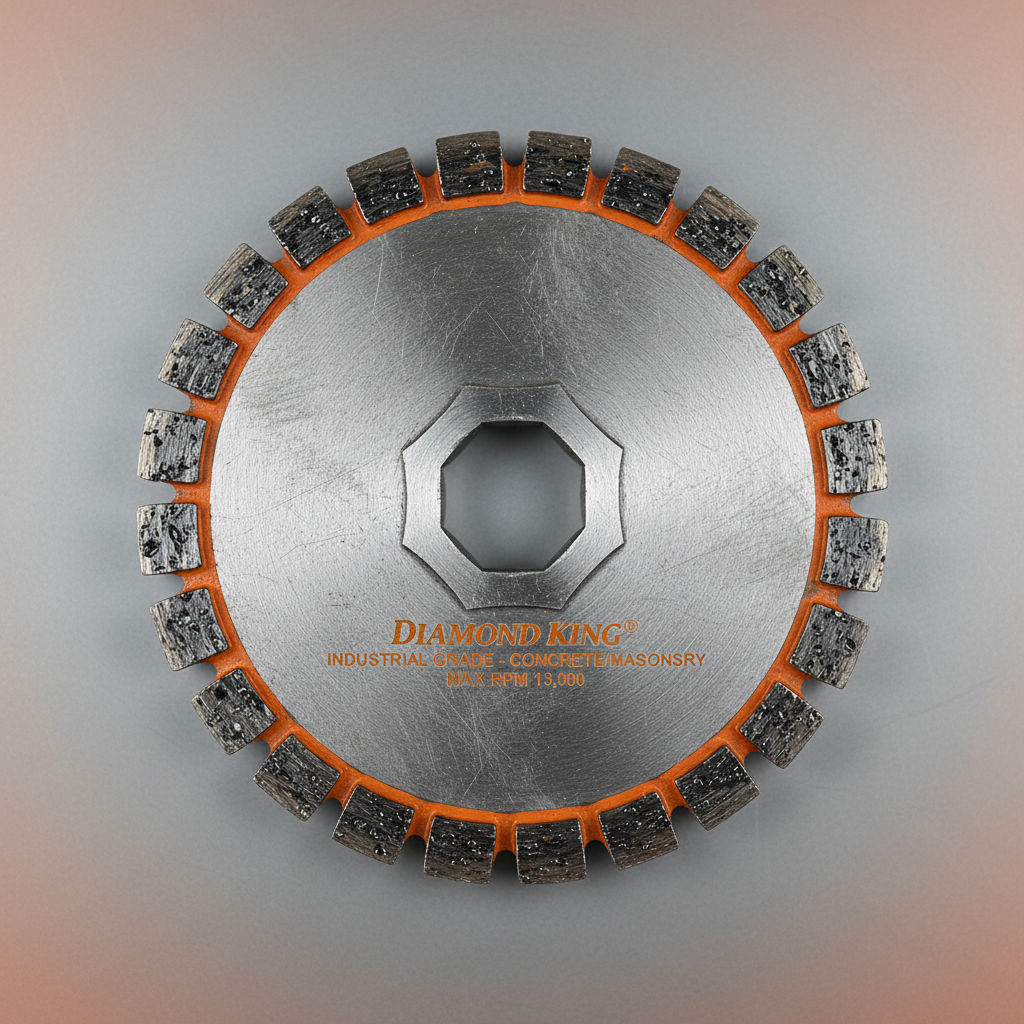
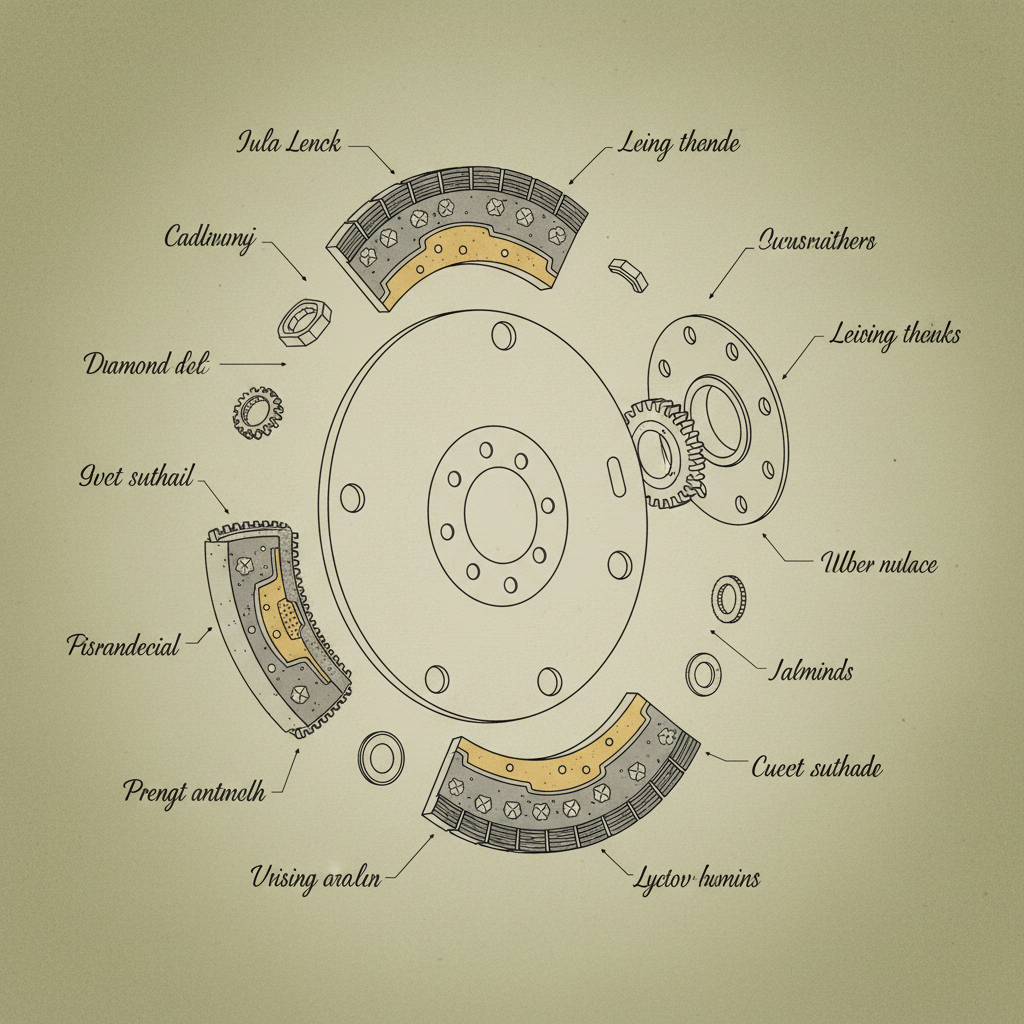
A small diamond blade for grinder is a circular cutting tool with an outer diameter generally ranging from 3 to 7 inches. It consists of a metal core, usually steel, embedded with industrial diamonds. The diamonds are bonded to the core using a sintering process, creating a durable and long-lasting cutting edge. These blades are specifically designed to be used with angle grinders, rotary tools, and other similar power tools to cut through hard and abrasive materials.
Its primary function is to efficiently and precisely cut materials that traditional abrasive wheels struggle with, such as porcelain tile, granite, marble, concrete, and glass. The diamond grit continuously abrades the material being cut, creating a clean and accurate edge. The size of the diamond grit affects the cutting speed and finish; coarser grits are used for faster cutting of softer materials, while finer grits are used for smoother finishes on harder materials.
The connection to modern industry stems from the need for precision in manufacturing, construction, and artistry. Humanitarian needs are indirectly addressed by facilitating infrastructure development and repairs in disaster-affected areas, where quick and reliable cutting tools are vital for restoring essential services.
Core Characteristics of small diamond blade for grinder
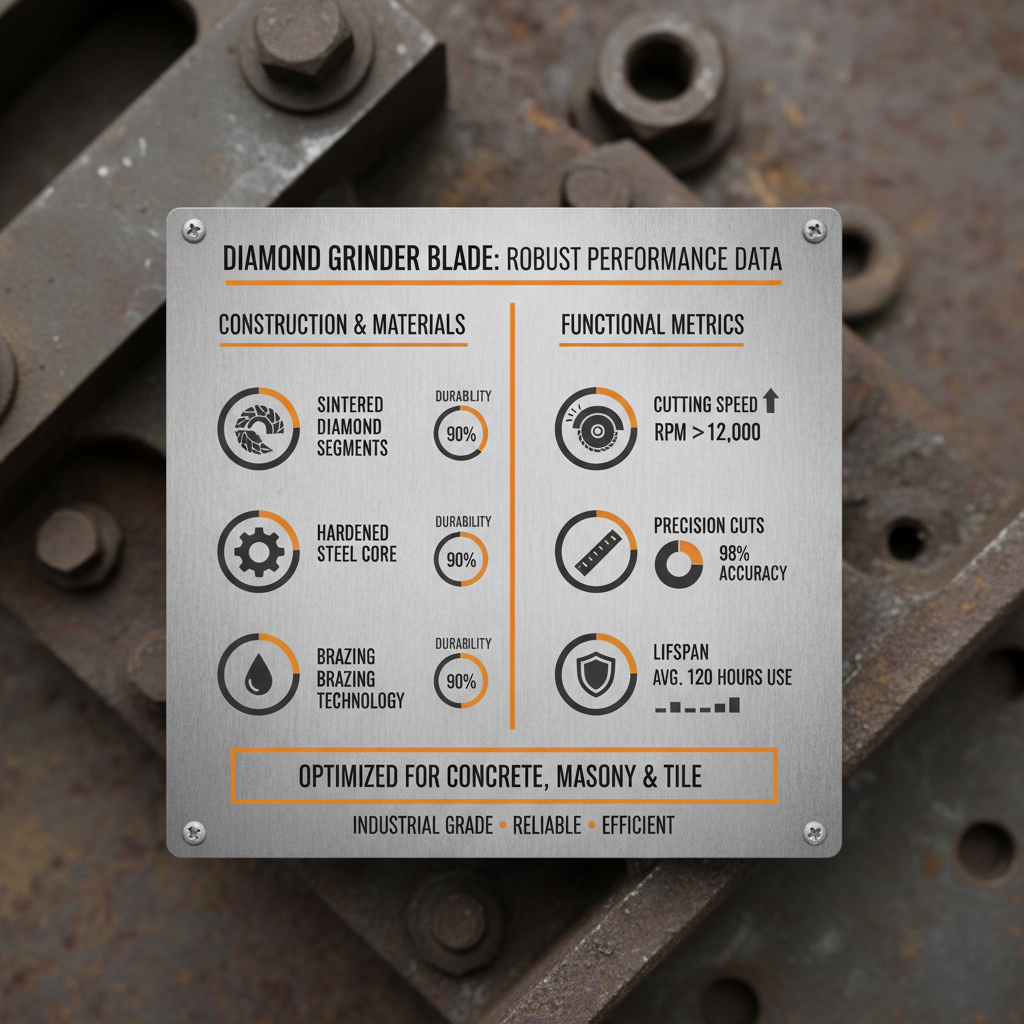
Several key factors define the performance and suitability of a small diamond blade for grinder. Diamond Grit: The size and quality of the diamond grit directly impact the cutting speed and finish. Core Thickness: A thicker core provides greater stability and reduces the risk of blade warping, especially during heavy-duty cutting.
Bonding Matrix: The material used to bind the diamonds to the core influences the blade’s lifespan and its ability to release worn diamond particles, ensuring continuous cutting performance. Segment Design: Segmented blades offer improved cooling and chip evacuation, making them ideal for cutting harder materials, while continuous rim blades provide cleaner cuts on softer materials.
Blade Diameter: Choosing the right blade diameter for the grinder and the task at hand is crucial for safety and efficiency. A properly sized blade ensures optimal speed and control. These characteristics collectively determine the blade's ability to deliver consistent, high-quality cuts across a wide variety of materials and applications.
Practical Applications of small diamond blade for grinder
The small diamond blade for grinder finds extensive use in the tile and stone industry for cutting ceramic, porcelain, and natural stone tiles. It’s invaluable for creating precise cuts for backsplashes, countertops, and flooring installations. Construction professionals utilize these blades for cutting concrete, brick, and masonry materials, often for creating openings for pipes, electrical conduits, or repairs.
Beyond professional trades, these blades are also popular among DIY enthusiasts for home renovation projects. Cutting glass for custom mirrors or shelves, shaping decorative stone for landscaping, and creating custom tile patterns are all easily achievable with a small diamond blade. The versatility and ease of use make it a favorite tool for a wide range of applications.
small diamond blade for grinder Performance by Application
Global Impact and Industries Utilizing small diamond blade for grinder
The use of small diamond blade for grinder is widespread across numerous industries globally. The construction industry is a major consumer, utilizing these blades for cutting various materials during building and infrastructure projects in regions like North America, Europe, and Asia. The tile and stone industry, particularly in countries like Italy, Spain, and Brazil, relies heavily on these blades for precise fabrication and installation.
Furthermore, the manufacturing sector employs these blades for cutting and shaping hard materials used in automotive, aerospace, and electronics. In remote industrial zones or developing countries, access to reliable and efficient cutting tools, like these blades, is crucial for local manufacturing and economic development. In post-disaster relief operations, they are vital for cutting through debris and creating access routes.
Advantages and Long-Term Value of small diamond blade for grinder
The advantages of using a small diamond blade for grinder are numerous. Cost-effectively, these blades offer a significantly longer lifespan than traditional abrasive wheels, reducing the frequency of replacements and lowering overall tool costs. From a sustainability perspective, the extended lifespan minimizes waste and conserves resources. Their precision and clean cutting ability also translate to less material waste during projects.
Beyond tangible benefits, they contribute to increased safety through reduced kickback and more controlled cutting. The reliability and consistent performance instill trust in professionals, enabling them to complete projects with confidence and deliver high-quality results. The innovation lies in the ability to consistently deliver precise cuts on a diverse range of materials, enhancing efficiency and overall project success.
Future Trends and Innovations in small diamond blade for grinder Technology
Future trends in small diamond blade for grinder technology are focusing on enhanced diamond bonding techniques to improve blade lifespan and cutting efficiency. Research into new matrix materials is underway to optimize cooling and chip evacuation, enabling faster cutting speeds and cleaner finishes. Automation and digital integration are also emerging trends, with smart blades incorporating sensors to monitor wear and performance.
Furthermore, the development of eco-friendly bonding materials and manufacturing processes is gaining traction, aligning with the growing demand for sustainable industrial practices. The integration of laser-cutting technology with diamond blade principles promises even greater precision and versatility. These advancements will solidify the small diamond blade for grinder’s position as a cornerstone cutting tool for a wide range of industries.
The push for sustainability also leads to the exploration of recycled diamond materials and the development of blades with reduced environmental impact throughout their lifecycle.
Summary of Key Factors Influencing small diamond blade for grinder Performance
| Material Hardness |
Blade Segment Density |
Cooling Efficiency |
Grit Size & Quality |
| High (Granite, Porcelain) |
Dense (Premium Blades) |
Excellent (Wet Cutting) |
Coarse (Fast Cutting) |
| Medium (Marble, Ceramic) |
Moderate (Standard Blades) |
Good (Dry Cutting) |
Fine (Smooth Finish) |
| Low (Soft Stone, Brick) |
Sparse (Economy Blades) |
Limited (Air-Cooled) |
Very Fine (Polishing) |
| Variable (Concrete, Masonry) |
Segmented (Chip Evacuation) |
Variable (Wet/Dry) |
Medium (All-Purpose) |
| High (Glass, Mirror) |
Continuous Rim (Clean Cut) |
Excellent (Wet Cutting) |
Extra Fine (Precision) |
| Medium (Tile) |
Moderate (Standard Blades) |
Good (Dry Cutting) |
Fine (Clean Edge) |
FAQS
The lifespan of a small diamond blade for grinder varies greatly depending on the material being cut, the frequency of use, and the quality of the blade. Generally, a high-quality blade can provide hundreds of cuts through softer materials like ceramic tile, while it may only last for a few dozen cuts through extremely hard materials like granite or concrete. Proper care and cooling can significantly extend the blade’s life.
Wet cutting is highly recommended, especially when cutting hard materials like concrete or granite. Water acts as a coolant, preventing the blade from overheating and reducing the risk of warping or damage. It also helps to suppress dust, improving visibility and creating a cleaner cutting environment. However, some blades are specifically designed for dry cutting; always refer to the manufacturer’s instructions.
For porcelain tile, a continuous rim diamond blade with a fine or medium grit is generally recommended. A finer grit will produce a cleaner, smoother cut, minimizing chipping. However, it will cut slower than a coarser grit. The optimal grit depends on the hardness of the tile and the desired finish. If you’re unsure, start with a medium grit and adjust as needed.
Several factors contribute to chipping during tile cutting. Use a continuous rim diamond blade designed for tile, apply consistent and moderate pressure, and use wet cutting with a steady stream of water. Support the tile properly to prevent vibrations, and consider using a tile-specific cutting guide for accurate and clean cuts. Slow and steady pressure is key.
Segmented diamond blades have individual diamond segments separated by metal spaces, offering excellent cooling and chip evacuation. They are ideal for cutting hard, abrasive materials like concrete and masonry. Continuous rim blades have a solid diamond coating around the entire circumference, providing a cleaner, smoother cut on softer materials like tile and glass.
Small diamond blades can be safe when used correctly. Always wear safety glasses, a dust mask, and gloves. Ensure the blade is properly secured to the grinder and that the grinder is in good working order. Never exceed the blade’s maximum RPM rating. Work in a well-ventilated area and follow all manufacturer’s instructions. Be aware of potential kickback and maintain a firm grip on the grinder.
Conclusion
In conclusion, the small diamond blade for grinder is an indispensable tool across a diverse range of industries and applications. Its durability, precision, and versatility make it a superior alternative to traditional cutting methods. Understanding its characteristics, applications, and future trends is crucial for maximizing its benefits and ensuring optimal performance. From professional construction to DIY projects, the impact of this technology is undeniable.
Looking ahead, continued innovation in materials science and blade design will undoubtedly lead to even more efficient, sustainable, and user-friendly solutions. Investing in high-quality blades and adhering to safety precautions will ensure long-term value and contribute to a safer, more productive work environment. Visit our website at www.mydiamondblade.com to explore our range of small diamond blades for grinder and find the perfect solution for your needs.








.png )