
The world of construction and demolition constantly demands efficient and reliable tools. Among these, the cement cutting blade for grinder stands out as a critical component for a wide range of projects, from large-scale infrastructure development to smaller-scale renovations. The effective use of these blades directly impacts project timelines, costs, and, importantly, worker safety. Understanding the nuances of cement cutting blade for grinder selection and application is therefore paramount.
Globally, the construction industry is a significant economic driver, representing approximately 6% of global GDP according to UN data. As urbanization continues at an unprecedented rate, particularly in developing nations, the demand for efficient construction techniques and tools, including high-quality cement cutting blades, is rising exponentially. This growth necessitates continuous innovation in blade technology to meet evolving project requirements and sustainability goals.
The increasing focus on safety regulations and environmental concerns further elevates the importance of choosing the right cement cutting blade for grinder. Poorly manufactured blades can pose significant risks, while environmentally conscious options minimize dust and waste, aligning with global sustainability initiatives championed by organizations like the World Bank and ISO.
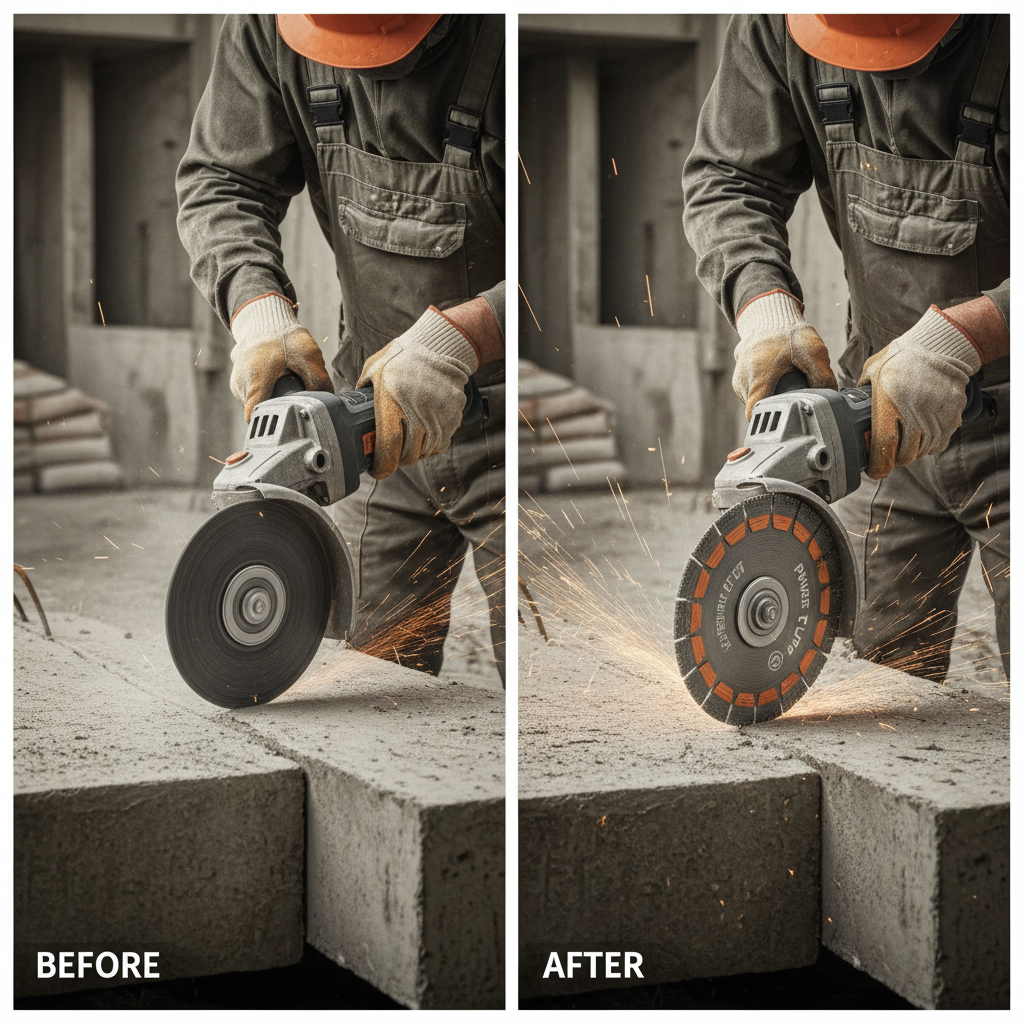
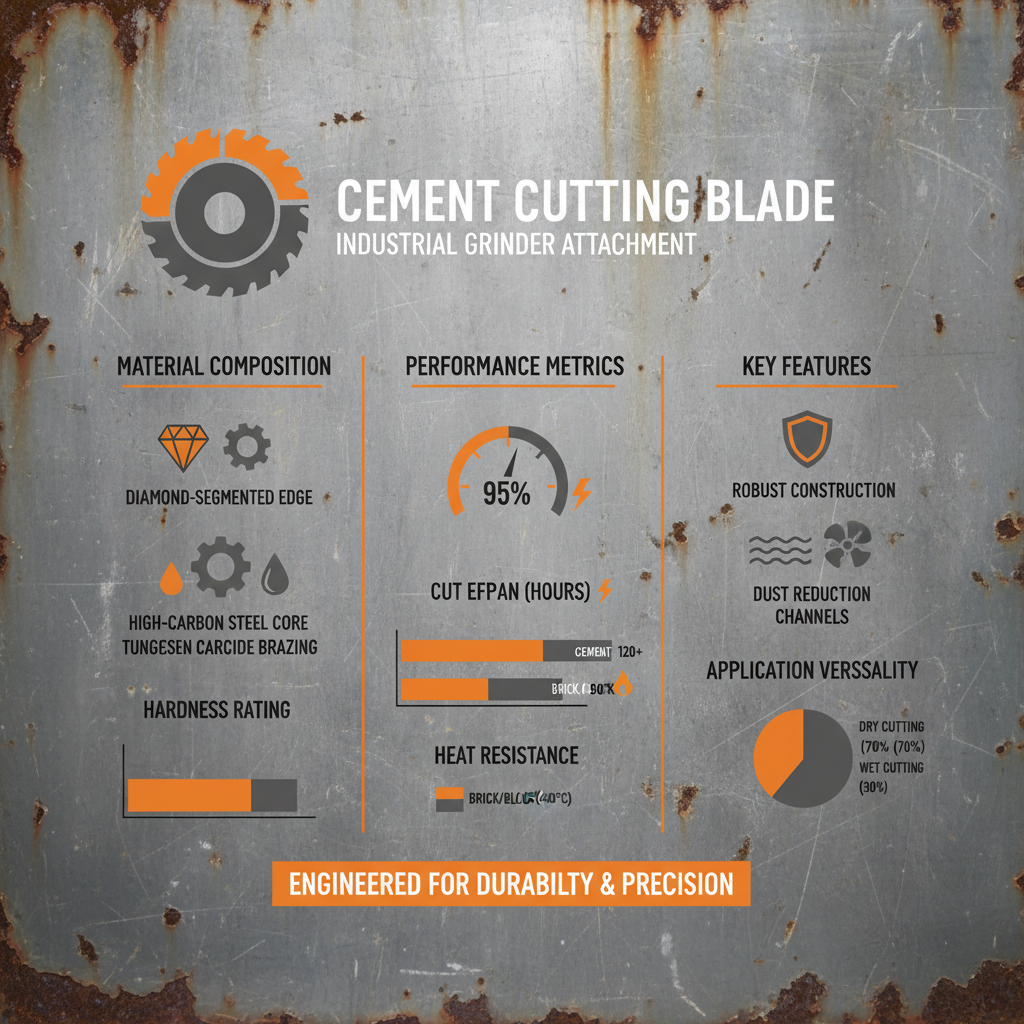
The efficient and safe execution of countless construction and renovation projects relies heavily on the quality of the cement cutting blade for grinder utilized. From creating precise openings for pipes and electrical conduits to cutting reinforced concrete structures, these blades are indispensable tools for professionals and DIY enthusiasts alike. Choosing the right blade impacts not only project efficiency but also the overall cost-effectiveness.
The impact extends beyond simply cutting concrete; it influences worker safety, dust control, and environmental responsibility. A superior blade reduces the force needed for cutting, minimizing operator fatigue and the risk of accidents. Furthermore, advancements in blade technology, such as diamond matrix formulations, lead to reduced dust emissions, creating a healthier work environment and minimizing environmental impact.
Dry cutting blades are designed for use without water, relying on their segmented design for heat dissipation. They are convenient but generate more dust. Wet cutting blades, conversely, require a water source to cool the blade and suppress dust. While messier, wet cutting generally results in cleaner cuts, longer blade life, and reduced health risks. The choice depends on the application and available resources.
Diamond grit size is crucial. Coarser grits (lower numbers) cut faster but leave a rougher finish and are suitable for softer materials. Finer grits (higher numbers) produce smoother cuts but are slower and best for harder, more brittle materials. Consider the material you're cutting and the desired finish when selecting the grit size. Blades designed for reinforced concrete typically use a combination of grit sizes.
Always wear appropriate personal protective equipment (PPE), including safety glasses, a dust mask, hearing protection, and gloves. Ensure the grinder is properly grounded and that the blade is securely mounted. Inspect the blade for damage before each use. Never exceed the grinder’s maximum RPM. Work in a well-ventilated area and follow all manufacturer’s instructions.
Avoid excessive pressure during cutting, as this can overheat and damage the blade. Use a consistent cutting speed and allow the blade to do the work. For wet cutting, ensure a constant flow of water to cool the blade. Store the blade properly in a dry environment to prevent corrosion. Regularly inspect the blade for wear and replace it when it becomes dull.
Used cement cutting blades often contain hazardous materials and should not be disposed of with regular waste. Check with your local waste management authority for proper disposal procedures. Many recycling facilities accept diamond blades. Alternatively, contact the blade manufacturer or supplier for potential take-back programs.
While diamond blades are versatile, the best blade depends on the concrete's composition. For example, concrete with a high aggregate content may require a blade with a more aggressive diamond matrix. Cutting reinforced concrete demands a blade specifically designed to withstand rebar contact. Selecting the correct blade ensures efficient and safe cutting.
In conclusion, the cement cutting blade for grinder is an essential tool underpinning modern construction and demolition practices. Its impact extends far beyond simple cutting, influencing project efficiency, worker safety, and environmental sustainability. Selecting the right blade, based on the specific application and material, is crucial for maximizing performance and long-term value.
As technology continues to advance, we can expect further innovations in blade design and manufacturing, leading to even more efficient, durable, and environmentally friendly solutions. Investing in high-quality blades and staying informed about the latest advancements is paramount for professionals and DIY enthusiasts alike. Visit our website at www.mydiamondblade.com to explore our comprehensive range of cement cutting blades and find the perfect solution for your needs.



Address
No.30 Gaoying Road ,Chang'an District,Shijiazhuang,Hebei Province
Business Hours
Mon to Saturday : 8.00 am - 7.00 pm
Sunday & Holidays : Closed




.png )